


Andaman Travel Tips 2026: What No One Tells You About Ferries & SIMs
Discover the ferry booking tricks, SIM card recommendations, and practical island travel tips that every Andaman traveler should know before visiting.
Discover the adventurous trek to Elephant Beach through lush forests and mangroves, one of Havelock Island's most rewarding nature experiences.

Most visitors travelling to Elephant Beach on Swaraj Dweep, popularly known as Havelock Island, choose the quick and direct method of arriving by speedboat. However, opting for a journey on foot offers a completely different perspective of the island. While a maritime transfer delivers you straight to the shore in a matter of minutes, trekking provides an opportunity to experience the natural environment at a slower, more deliberate pace. Walking through the interior terrain allows travellers to discover another side of the island before they even catch their first glimpse of the sea. The official Andaman & Nicobar Islands Tourism information describes Elephant Beach as being surrounded by dense tropical forest, noting that the overland route passes through shaded jungle paths and mangrove ecosystems before opening up to white sand and shallow coastal waters.
Choosing to walk rather than ride transforms your entire visit into an exploration of the island's landscape. The experience focuses as much on the journey along the forest floor as it does on the coastal destination waiting at the end of the trail. This route pulls you away from paved roads, motor vehicles, and busy commercial areas, immersing you entirely in an environment shaped by native trees and wetlands. The changing scenery, moving from dry canopy shade down into damp wetland pockets near the coast, creates a dynamic environment. While it is not a strenuous mountaineering expedition, the walk offers enough physical engagement to make arriving at the beach feel like a true accomplishment.
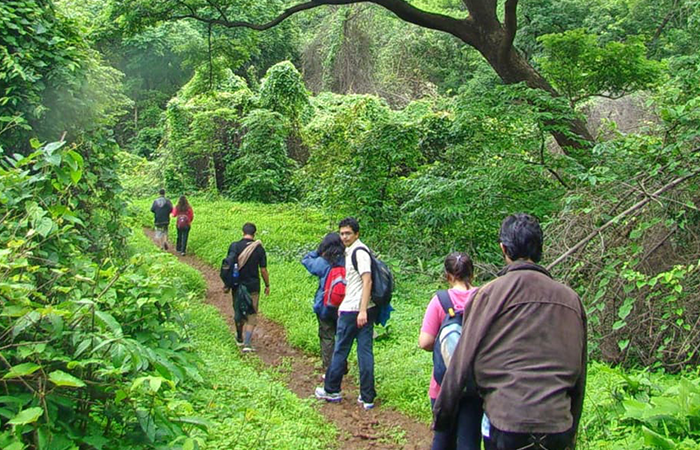
The adventure takes place on Swaraj Dweep, a core destination for beach and nature tourism in the Andaman chain. The trekking approach does not start from the commercial jetties or populated village beaches; instead, the designated trail typically begins from the Shyam Nagar village or Forest Dera side of the island. Official tourism guidelines identify this forest-side access point as the official beginning of the jungle route. Starting from here, the path cuts directly through the island's interior, bypassing vehicle tracks and leading hikers through untouched sections of tropical growth and mangrove surroundings.
Understanding the approximate duration of the walk helps you manage your daily schedule effectively. Official tourism information estimates that the trek generally takes between forty-five and sixty minutes to complete under normal conditions, covering roughly two kilometres of natural terrain depending on the precise route taken. Actual walking times can vary based on individual pacing, weather conditions, and whether recent rainfall has created softer, muddier patches along the path. Allowing a generous hour for the walk ensures you can move comfortably without feeling rushed or pressured to hurry through the more delicate sections of the forest.
Stepping onto the trail immediately introduces you to the rich botanical life of the Andaman Islands. The path winds beneath a thick canopy of tall tropical trees, native creepers, and vibrant green undergrowth that provides natural shade from the tropical sun. Walking under this dense foliage creates a cooler, more sheltered microclimate, though the surrounding humidity remains high. As you move along the dirt path, you can hear the sounds of island birdlife calling from the branches above and the rustling of leaves as small creatures navigate the underbrush. This portion of the walk offers a quiet escape into nature, far removed from the sounds of speedboats and resort music.
One of the defining features of the route is the transition into wetland environments and mangrove surroundings as you draw closer to the coast. Mangroves are specialized coastal trees featuring complex root networks that thrive in tidal salt water and soft mud. These coastal forests play an ecological role in stabilizing shorelines, filtering nutrients, and acting as critical nursery habitats for marine species. As the trail dips into these wetter sections, hikers pass right alongside these unique root systems, observing how the ecosystem adapts to the shifting tides. This mangrove adventure highlights the delicate ecological balance that protects the island's coastline, making the walk an educational experience as well as a physical journey.
The path consists entirely of natural terrain rather than paved concrete or gravel walkways. Hikers should expect to encounter exposed tree roots, uneven dirt patches, organic debris, and occasional muddy sections, particularly if there has been recent rainfall on the island. While the ground is generally stable during the dry season, wet weather can turn parts of the trail slick and challenging. The route suits travellers who possess a reasonable level of mobility, comfortable balance, and an appreciation for walking on unpaved ground. Preparing for an authentic natural trail ensures you are mentally and physically ready for the conditions underfoot.
Determining the difficulty of the walk depends largely on your personal comfort with natural terrain. For many active travellers, the trek is classified as short, manageable, and highly rewarding. However, what feels like a simple walk to an experienced hiker might present challenges for young children, elderly visitors, or individuals with mobility limitations, especially if muddy sections require careful footing. Because trail conditions fluctuate with the weather, assessing your own comfort level is essential before committing to the walk. Those who prefer a relaxed, effortless arrival can always rely on the boat transfer as a practical alternative.
Deciding how to reach the shore depends entirely on your travel goals for the day. Taking a speedboat from the Swaraj Dweep jetty is fast, convenient, and takes roughly twenty to thirty minutes, making it the ideal choice if your primary aim is maximizing time spent lounging on the sand or participating in water sports. The jungle trek, by contrast, takes longer and requires physical effort, but it rewards you with an immersive forest and mangrove adventure that a boat ride simply cannot provide. Weighing these two options allows you to tailor your day to your personal preferences and energy levels.
Keeping your eyes open along the trail reveals a wide variety of small details that define the island's ecosystem. You may spot intricate spider webs spun between branches, interesting fungi growing on fallen logs, and countless small mangrove crabs scurrying across the damp mud near the wetland sections. Bird watchers can listen for the calls of endemic species moving through the upper canopy, while botany enthusiasts can examine the diverse leaf structures and climbing vines native to the region. These observations ground the trek in real ecological discovery rather than manufactured entertainment.
Navigating an unfamiliar forest trail is often smoother and more reassuring with the assistance of a knowledgeable local guide. A qualified guide ensures you stay securely on the authorised route, helps you identify interesting plant and animal life along the way, and provides immediate assistance if trail conditions prove tricky. While independent walking is sometimes possible depending on local regulations, joining an organised excursion adds an extra layer of security and local insight. Andaman Bliss provides professional guidance for this specific route, ensuring visitors can complete the walk safely and comfortably.
Dressing appropriately for a humid jungle walk is essential for maintaining comfort throughout the excursion. Opt for lightweight, breathable clothing made from quick-drying fabrics that manage perspiration effectively in the tropical heat. Sturdy walking shoes or hiking sandals with a reliable grip are non-negotiable; flat fashion sneakers or smooth-soled shoes can slip easily on wet roots or mud. Choosing footwear that you do not mind getting dirty ensures you can navigate damp or uneven sections of the path without constant worry.
Packing smartly keeps your load light while ensuring you have your core necessities on hand. Bring a bottle of drinking water to stay hydrated during the humid walk, along with effective sun protection and insect repellent applied before you start. Because you will arrive at a beach destination, carrying a small towel, a change of clothes, and a secure waterproof bag for your electronics, cash, and documents is highly practical if you plan to swim or snorkel afterward. Always practice responsible tourism by carrying your rubbish back out with you rather than leaving wrappers along the trail.
Planning your walk during favourable weather windows ensures the most comfortable trail conditions. The dry months running from November through April generally offer the driest paths, clearest skies, and most stable footing. During this peak tourism window, the ground remains firm, making the journey through the forest and mangrove sections smooth and enjoyable. Checking the latest local weather updates shortly before your planned departure helps ensure your activity proceeds under safe conditions.
The onset of the southwest monsoon brings substantial rainfall to the islands, transforming natural forest paths significantly. Heavy downpours can turn the jungle trail into a wet, slippery, and deeply muddy route, increasing the physical effort required to complete the walk. Depending on rainfall intensity and official forest advisories, trail access can occasionally be restricted for safety reasons. Travellers visiting during the rainy season should remain flexible, checking current local permissions and opting for the safe speedboat transfer if trail conditions prove unfavourable.
Emerging from the shaded, enclosed environment of the forest trail into the blinding white light of Elephant Beach creates a striking contrast. The dense greenery abruptly yields to a wide expanse of sand, fallen driftwood, and shallow turquoise water stretching out toward the horizon. Reaching the shore after a physical walk makes the open sea feel even more inviting. Elephant Beach serves as a vibrant activity hub on Swaraj Dweep, offering a welcome space to rest, cool off, and transition into coastal recreation after your overland adventure.

Once you arrive at the beach, transitioning from land exploration to marine observation is a popular next step. The shallow coral reefs located just off the shore of Elephant Beach are home to colourful reef fish, anemones, and hard corals. Pairing a morning forest trek with an afternoon snorkeling session allows you to experience both the terrestrial and aquatic ecosystems of the island in a single day. To ensure equipment quality and professional supervision, you can explore verified Elephant Beach snorkeling experiences to complete your day.
Beyond snorkeling, Elephant Beach provides access to a variety of other coastal and marine pastimes. Depending on daily activity availability and maritime regulations, visitors can try helmet sea walking along the seabed, experience parasailing above the coastal waters, or take glass-bottom boat tours over the reefs. These activities allow you to customize your time at the beach according to your personal energy levels. For those interested in subsurface exploration without swimming, checking out sea walking at Elephant Beach offers a unique alternative.
Families travelling with children who possess a healthy love for outdoor walking can certainly enjoy the trek as a shared nature adventure. However, parents must realistically evaluate their children's stamina, balance, and confidence on uneven, muddy ground before setting off. If children tire easily or feel uncomfortable walking through wet forest environments, the boat transfer remains a much simpler and more direct choice for family groups.
The route acts as an approachable introduction to nature walking for anyone who has never tackled a jungle trail before. Because the distance is relatively short and the elevation changes are minimal, it does not demand advanced mountaineering skills. Even so, first-time walkers must remember that it is a natural dirt path rather than a paved park sidewalk, requiring basic attention to foot placement and a willingness to get a little mud on your shoes.
Preserving the ecological integrity of the coastal forests and mangrove swamps requires mindful behaviour from every hiker. Stay strictly on the authorized path to avoid trampling sensitive root systems or eroding fragile soil banks. Never carve into tree trunks, pick native plants, or disturb wildlife along the way. Most importantly, carry all waste, plastic bottles, and snack wrappers back out with you. Respecting these natural boundaries ensures the trail remains pristine for the next person who walks through.
The trail provides wonderful opportunities for capturing natural, unposed landscape photographs. You can frame shots looking down the winding dirt path beneath the arching green canopy, capture close-ups of complex mangrove root systems holding fast in the mud, or photograph the dramatic visual shift where dark forest shadows meet bright coastal sand. Keep your attention primarily on your footing while walking, pausing to take pictures only when you have stopped safely on stable ground.
Integrating the trek into your overall Swaraj Dweep holiday requires balancing active mornings with relaxed afternoons. Plan your trek for the cooler morning hours when humidity is lower and you have plenty of daylight ahead. After completing the walk and spending time enjoying the beach and water activities, you can return to your resort to rest, keeping your evening free for a quiet dinner or a visit to other island highlights like Radhanagar Beach.
Comparing Elephant Beach with Radhanagar Beach highlights the diversity of Swaraj Dweep's coastline. Radhanagar Beach is celebrated for its wide, peaceful expanse of white sand, gentle surf, and spectacular sunset views, serving as a sanctuary for relaxation and quiet swimming. Elephant Beach, conversely, offers an energetic, adventure-focused atmosphere driven by jungle trekking, water sports, and marine exploration. Including both locations in your itinerary ensures you experience two distinct facets of the island.
Monitoring trail safety is a shared responsibility between local authorities, guides, and visitors. Heavy overnight rain can alter trail stability, making local inquiries on the morning of your walk essential. Always heed safety boards, forestry instructions, and your guide's recommendations regarding whether the path is open and safe. Prioritising personal safety and environmental preservation ensures your trek remains an entirely positive memory.
Avoiding common missteps keeps your excursion smooth and comfortable. A frequent error is wearing inappropriate footwear, such as smooth fashion shoes or flip-flops, which offer zero traction on wet soil and exposed roots. Another mistake is starting the walk without carrying drinking water, underestimating how quickly tropical humidity induces thirst. Overpacking heavy bags, ignoring local weather warnings, or leaving waste on the trail also detracts from the experience. Preparing properly prevents these avoidable inconveniences.
Organising outdoor treks, maritime transfers, resort accommodations, and multi-island itineraries requires seamless logistical coordination. At Andaman Bliss, we help travellers design comprehensive, customized holiday plans that cover every detail of their Andaman adventure. Whether you want to book a guided trek through the mangroves, arrange Havelock Island tour packages, or secure complete Andaman holiday packages, our local team handles your arrangements reliably. To explore fully coordinated travel options, you can also review our dedicated Elephant Beach trekking activity and let us help you design your ideal island getaway.
Discover the ferry booking tricks, SIM card recommendations, and practical island travel tips that every Andaman traveler should know before visiting.
Visit Cellular Jail and Ross Island to uncover the remarkable history of Kala Pani, India's freedom movement, and Andaman's colonial heritage.
Discover the natural wonders of Baratang Island, from mangrove creeks and limestone caves to the fascinating journey through the Jarawa Reserve.

