


The History of Kala Pani: Visiting the Cellular Jail & Ross Island
Visit Cellular Jail and Ross Island to uncover the remarkable history of Kala Pani, India's freedom movement, and Andaman's colonial heritage.
Discover the ferry booking tricks, SIM card recommendations, and practical island travel tips that every Andaman traveler should know before visiting.

Stepping off a flight in Sri Vijaya Puram, a first-time traveller often carries an expectation of mainland-style convenience. The hotel is booked, the major sightseeing spots are saved on a digital map, and the itinerary looks solid down to the hour. Then reality steps in. The next morning requires an inter-island ferry to Swaraj Dweep, but the ticket confirmation reveals a departure jetty on the other side of town, reporting times that start before dawn, and a sea route heavily dependent on weather. At the same time, pulling out a smartphone to check navigation yields a frustrating loading symbol, signaling that the seamless mobile data connection taken for granted back home does not quite translate across the Bay of Bengal. Navigating the Andaman Islands successfully comes down to understanding two fundamental truths about island logistics. Inter-island ferries require careful planning, schedule flexibility, and healthy buffer times, while mobile connectivity fluctuates depending on terrain, distance, and infrastructure. As the official Andaman and Nicobar Tourism Department consistently advises, pre-booking maritime transport and preparing for connectivity gaps are essential steps for any stress-free island holiday.

For anyone building an Andaman itinerary, ferries are not merely a background transport detail; they are the literal backbone of the entire journey. Because the archipelago consists of dozens of populated and protected islands separated by open sea, moving between Sri Vijaya Puram, Swaraj Dweep, and Shaheed Dweep means taking to the water. Inter-island connectivity relies on a combination of government-run passenger vessels and high-speed private cruises. Treating these ferry crossings as casual afterthoughts can quickly derail an otherwise well-structured vacation. Maritime transport in the islands operates under maritime authorities, port traffic regulations, and daily weather assessments, meaning that a ticket is a reserved seat on a vessel rather than an unalterable guarantee of exact timing. Recognizing this early allows travellers to design an itinerary that respects the natural rhythm of island transit rather than fighting against it.
When looking at inter-island transport options, travellers quickly notice two distinct categories of vessels operating across the waters. Government-run ferry services, managed through administrative frameworks like the Directorate of Shipping Services, primarily serve local residents while also accommodating tourists, offering a functional, straightforward way to travel between islands. Private passenger cruises, on the other hand, are designed specifically for tourists and commercial visitors, featuring enclosed air-conditioned cabins, structured seating tiers, and online booking portals that make advance planning straightforward. These two systems handle ticketing, boarding procedures, luggage rules, and departure piers differently. While private cruises generally offer more streamlined booking experiences for international and mainland travellers, government vessels remain a critical part of the overall maritime network. Understanding these operational differences helps you choose the right service for your travel style and schedule.
One of the most common pitfalls in Andaman travel planning is locking in flights and beachfront resorts before securing inter-island ferry tickets. During peak travel seasons, high-speed private catamarans and popular government sailings fill up weeks in advance. If you leave your ferry bookings until you arrive in Sri Vijaya Puram, you may find that the exact morning sailing you need is entirely sold out. This forces unexpected changes to your hotel check-ins, disrupts prepaid scuba diving slots, and cuts precious nights short on outer islands. Official tourism guidelines explicitly recommend pre-booking your ferry segments to align with your overall accommodation plan. Securing your maritime transit early ensures that your island sequence flows logically from the capital outward and back again.
A frequent mistake made by eager planners is building an itinerary with back-to-back connections that leave almost zero room for movement. Official maritime authorities state clearly that all sailings remain subject to prevailing weather conditions, tidal shifts, and technical circumstances. A ferry scheduled for a morning departure may experience a delayed boarding process or a rescheduled departure window if sea swells rise or harbour safety advisories are issued. Because of this inherent variability, your itinerary should never place a critical flight departure, an early morning scuba diving course, or a game-fishing charter immediately after an inter-island ferry arrival. Building reasonable buffer time into your schedule protects you from the stress of a delayed sailing.
Trying to maximize every single hour of an Andaman holiday often leads travellers to schedule a ferry arrival, a hotel check-in, an immediate afternoon trekking excursion, and another island transfer all within the span of forty-eight hours. When a single ferry encounters a minor weather delay or takes longer than expected to dock and unload luggage, the entire domed schedule collapses. An Andaman trip feels remarkably smooth when you allow breathing room between major travel events. Giving yourself an afternoon to simply settle into your resort, walk the local beach, and recover from travel transit is far more rewarding than rushing to check off sightseeing landmarks while watching the clock.
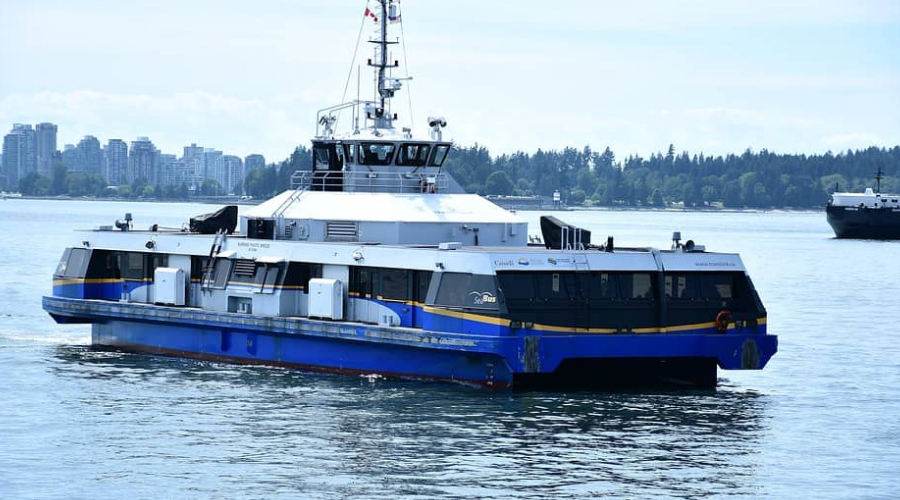
An easy logistical oversight is assuming that all ferries depart from the same central port. In Sri Vijaya Puram, passenger vessels and private cruises can depart from different marine terminals, such as Phoenix Bay Jetty or Haddo Jetty, depending on the operator, vessel size, and daily port scheduling. Heading to the wrong waterfront terminal twenty minutes before departure creates unnecessary panic. Always check your booking confirmation for the precise jetty name, review the mandatory reporting and boarding times, and arrange your land transport accordingly to ensure you arrive at the correct gate with time to spare.
Purchasing a ferry ticket solves only the maritime leg of your island transfer. It does not account for the land taxi required to reach the jetty from your hotel, the security screening queues at the terminal entrance, the luggage handling procedures on the dock, or the local transport waiting for you on the other side when you disembark. First-time visitors sometimes forget that stepping off a boat on Swaraj Dweep means finding a local auto-rickshaw or pre-booked cab to navigate across the island to their resort. Treating each island transfer as a multi-step journey involving land transport, port check-in, and resort check-in keeps your expectations realistic.
Relying entirely on a live internet connection to pull up your ferry tickets while standing on a busy, crowded jetty can expose you to unexpected stress. Mobile data signals around bustling harbour terminals can occasionally become congested or weak. A simple, highly effective habit is downloading or screenshotting all your ferry booking confirmations, e-tickets, hotel vouchers, and emergency contact details directly to your phone before leaving your hotel room. Having these files stored locally in your offline photo gallery or document folder ensures you can present your credentials instantly, regardless of current network strength at the port.
Transitioning from maritime logistics to digital connectivity reveals another unique aspect of island travel. Mobile phone performance across the Andaman Islands is shaped heavily by geography, infrastructure, distance from cellular towers, and dense surrounding terrain. A mainland SIM card that fires up instantly in a major metropolitan city may experience signal drops, slower data speeds, or temporary dead zones as you move across the archipelago. While major network providers maintain functional coverage in Sri Vijaya Puram and core tourist hubs like Swaraj Dweep, expecting uninterrupted, high-speed 5G connectivity on every remote beach, forest trail, or open-water ferry crossing is unrealistic. Viewing mobile connectivity as location-dependent rather than guaranteed helps you prepare mentally and digitally before you set out.
Many Indian travellers wonder whether their existing mainland mobile connection will suffice or if they need to purchase a separate local connection upon arrival. For most visitors, your current domestic mobile operator will work across major populated areas of the islands, though performance varies significantly between different telecom providers. There is no official requirement for Indian citizens to purchase a separate Andaman-specific SIM card. However, if you rely heavily on continuous data access for remote work, business communication, or family coordination, checking your current operator's roaming network partners and coverage expectations before leaving the mainland is a smart precautionary step.

Connectivity is never uniform as you hop across the Andaman island chain. A strong signal in the bustling commercial lanes of Sri Vijaya Puram may transform into a fluctuating 4G or 3G signal once you board a ferry toward Shaheed Dweep, and certain forested stretches or remote coastal tracks may drop to emergency-only service entirely. This shifting network landscape catches many travellers off guard when they attempt to load maps or make instant digital payments in areas where the infrastructure is still expanding. Recognizing that signal strength changes as you cross open water helps you avoid frustration when your phone suddenly stops streaming media or loading web pages.
A common connectivity puzzle for travellers is finding that their resort room has a steady signal, but stepping out onto a remote western-facing beach or trekking through a jungle reserve cuts off all data access. Cellular towers are positioned primarily around population centers, commercial markets, and major resort zones. When you venture out toward remote coastal spots, national parks, or quiet rural lanes, natural obstacles like dense forest canopies, hills, and distance from the nearest tower weaken the signal. Planning your day with the understanding that you may be entirely offline while exploring remote scenery prevents unnecessary anxiety when your phone screen reads no service.
Because network coverage fluctuates across the islands, building your entire holiday around real-time mobile data access is a risky strategy. If you rely on your phone for navigation, taxi hailing, restaurant recommendations, and booking verifications, a sudden loss of signal can leave you momentarily stranded. The most effective safeguard is downloading offline Google Maps for the entire Andaman region before your trip, saving vital accommodation addresses in your notes, and keeping a physical or digital record of all necessary contact numbers. Bringing a reliable, fully charged portable power bank ensures your device stays alive throughout long sightseeing days when searching for weak signals drains the battery faster than usual.
Digital wallets, UPI applications, and mobile banking have revolutionized travel across India, making cash-free transactions the norm in major cities. In the Andaman Islands, digital payments are widely accepted across established hotels, structured restaurants, and shops in Sri Vijaya Puram and Swaraj Dweep. However, because these systems rely entirely on active internet connectivity, a temporary local network outage or a weak cellular signal can render a digital transaction impossible at the exact moment you are trying to pay for a taxi or a coconut at a roadside stall. Maintaining a sensible financial backup by carrying physical cash alongside your digital payment apps ensures you never find yourself stuck over a failed network ping.
Mobile connectivity in modern travel serves a much deeper purpose than simply sharing photos on social media; it governs two-factor authentication, one-time passwords for banking apps, ride confirmations, and urgent communication with tour operators. Finding yourself unable to receive an essential bank OTP because your phone lost signal while standing outside a ferry terminal can disrupt your booking verifications. To minimize this risk, avoid making your daily schedule dependent on receiving real-time authentication codes at remote locations. Complete your financial transactions, bookings, and important digital verifications while connected to reliable resort Wi-Fi before stepping out for the day.
For international visitors journeying to the Andaman Islands from abroad, mobile connectivity requires intentional pre-trip planning. Before leaving your home country, verify whether your existing mobile carrier offers international roaming packages that cover India, and check the associated daily or data-based costs. Alternatively, check whether your smartphone supports digital eSIM technology compatible with Indian networks, or plan to acquire a verified local tourist SIM card upon landing at the mainland international airport or in Sri Vijaya Puram. Remember that activating a local SIM card in India involves presenting valid international travel documents, including your passport and visa, so completing this setup smoothly at the start of your journey saves considerable time.
Choosing the right mobile setup depends on your comfort with technology and your communication needs. International roaming offers the ultimate convenience because your home number remains active for urgent calls, though it can incur steep daily fees. Digital eSIMs provide a clean, card-free alternative for compatible modern smartphones, allowing you to install a regional data profile before boarding your flight. Traditional physical tourist SIM cards remain a reliable fallback for travellers whose devices do not support eSIMs. Whichever option you select, always test your data connection before leaving the major arrival hub of Sri Vijaya Puram to ensure everything functions properly.
To insulate yourself against unpredictable network drops, carve out thirty minutes while connected to strong hotel Wi-Fi to download essential travel assets. Save offline copies of your flight tickets, ferry vouchers, hotel confirmations, emergency phone numbers, and detailed regional maps. Furthermore, downloading offline entertainment, audiobooks, or digital reading material ensures you stay occupied during long ferry crossings where mobile data is either unavailable or restricted. Proactive digital preparation turns potential connectivity stress into a non-issue.
The two major logistical themes of an Andaman holiday—ferry transits and mobile signals—intersect most intensely when you are moving between islands. When you are standing on a crowded jetty waiting to board a ferry, trying to coordinate a pickup driver on the receiving island, and double-checking your booking gate, that is precisely when you need your phone to work. Yet, jetty areas are notorious for network congestion and weak signals. Understanding that your phone may struggle to load live data right when you need it most reinforces why having your ferry tickets, driver contact numbers, and destination addresses downloaded offline is such a vital travel habit.
Mastering inter-island ferry travel involves paying attention to the small operational details that separate a smooth transit from a stressful scramble. Always verify your reporting time, which is typically scheduled well before actual vessel departure to allow for luggage loading and passenger security clearance. Keep your identity proof and ferry tickets in an easily accessible pouch rather than buried at the bottom of your main backpack. Clearly tag your check-in luggage with your name and contact details, and keep your essential electronics, medications, and travel documents in your hand luggage. Staying attentive to port announcements and following crew instructions ensures your maritime transitions unfold without friction.
Maritime transport across the Andaman Sea is ultimately at the mercy of the elements. Official maritime notices explicitly state that all sailings are subject to prevailing weather and technical conditions. When a sudden squall rolls in or sea swells rise, port authorities may temporarily halt ferry departures for passenger safety. If your ferry plan gets adjusted due to weather, the most important asset you can possess is psychological and schedule flexibility. Avoid building an itinerary where a single delayed boat ruins a pre-booked resort check-in on another island. Accepting weather adjustments as a natural part of island travel keeps your holiday grounded and relaxed.
Building a resilient Andaman itinerary requires reversing the standard planning instinct. Instead of picking your favorite activities, booking your hotels, and trying to squeeze ferries in afterward, you must establish your ferry availability first. Check which inter-island sailings operate on your specific dates, lock in those maritime transfers, and only then build your hotel stays and sightseeing activities around those fixed transport points. Treating ferries as the skeleton of your trip ensures you never find yourself holding a non-refundable resort booking on an island you cannot physically reach on time.
Many travellers treat Sri Vijaya Puram merely as a concrete stepping stone—the place where their flight lands and where they catch an immediate ferry outward. In reality, the capital serves as the vital administrative and maritime hub of the entire territory. Official tourism information highlights that ferry and cruise routes radiate out from the capital's main jetty areas not only to Swaraj Dweep and Shaheed Dweep, but also extending toward more remote sectors like Little Andaman, Rangat, Mayabunder, and Diglipur. Spending a day or two exploring the capital's maritime history, museums, and local markets provides a grounded, well-rounded foundation before you head out across the open water.
The vast majority of holidaymakers focus their inter-island travel between Sri Vijaya Puram, Swaraj Dweep, and Shaheed Dweep. Because these routes experience high seasonal demand, official tourism guidance consistently underscores the absolute necessity of booking these specific connections well ahead of time. When structuring your nights across these islands, give yourself at least two to three nights on Swaraj Dweep to absorb its beaches and diving spots, and one to two nights on Shaheed Dweep to enjoy its agricultural quietude, ensuring you never feel rushed by the ferry departure board.
For travellers pushing beyond the classic tourist triangle and heading toward remote northern destinations like Diglipur, Mayabunder, or Little Andaman, logistical preparation must step up significantly. Transport frequencies drop, road journeys lengthen, and mobile connectivity becomes even more intermittent. Visiting these off-the-beaten-path regions offers an authentic, uncommercialized look at island life, but it rewards travellers who are self-reliant, patient, and thoroughly prepared for basic infrastructure and occasional transport adjustments.
When travelling across remote islands where mobile networks can fail, knowing the essential emergency helplines provides essential peace of mind. Verify these critical contact numbers before your trip and store them offline in your phone. According to official government and tourism portals, key emergency numbers for the Andaman and Nicobar Islands include Police at 100, Fire services at 101, Ambulance services at 108, the official Tourist Helpline at 1363, and the Indian Coast Guard at 1554. Having these numbers accessible offline ensures you can seek immediate assistance even if your regular mobile data connection drops out.
Ultimately, a memorable Andaman holiday is not about controlling every minute of your schedule or expecting mainland-style predictability. It is about adapting your expectations to the natural rhythm of island life. By building sensible buffer times around your ferry transfers, preparing for temporary mobile connectivity gaps by saving your documents offline, and treating unexpected weather adjustments with calm flexibility, you insulate yourself from unnecessary holiday stress. Embracing these practical realities allows you to focus on what truly matters: the expansive blue sea, the quiet coastal trails, and the unique beauty of the islands.
Managing inter-island ferry bookings, coordinating land transfers, securing resort accommodation, and organizing activities across multiple islands can quickly become a complex administrative puzzle. Partnering with an experienced local travel planner like Andaman Bliss can streamline your preparations significantly. Andaman Bliss helps travellers coordinate comprehensive travel services, including verified Andaman Tour Packages, inter-island ferry arrangements, resort stays, guided sightseeing, and specialized Andaman Water Activities. While no planner can override maritime weather cancellations or government shipping decisions, expert coordination ensures your overall island sequence, hotel bookings, and transport connections flow smoothly. To explore curated itineraries tailored to your schedule, review our detailed Andaman Travel Guide and let Andaman Bliss help you design your ideal island getaway.
Successfully experiencing the Andaman and Nicobar Islands in 2026 comes down to mastering two core logistical habits. First, plan your inter-island ferry movements early and anchor your daily itinerary around those fixed maritime transport points while leaving healthy buffer time for weather flexibility. Second, prepare for mobile connectivity to be less predictable than it is on the mainland by downloading your booking confirmations, offline maps, and essential documents before leaving strong Wi-Fi zones. Travellers who approach the islands with these practical preparations enjoy a smooth, grounded adventure, experiencing all the natural splendour the archipelago has to offer without the friction of avoidable logistical surprises.
Visit Cellular Jail and Ross Island to uncover the remarkable history of Kala Pani, India's freedom movement, and Andaman's colonial heritage.
Discover the natural wonders of Baratang Island, from mangrove creeks and limestone caves to the fascinating journey through the Jarawa Reserve.
Trek through tropical forests, race across the sea by speedboat, or explore the ocean floor with sea walking—find the best Elephant Beach experience for your Andaman trip.

