


Andaman Travel Tips 2026: What No One Tells You About Ferries & SIMs
Discover the ferry booking tricks, SIM card recommendations, and practical island travel tips that every Andaman traveler should know before visiting.
Explore North Andaman's Saddle Peak with this detailed trekking guide covering routes, permits, difficulty level, and essential travel advice.

When travellers begin exploring the diverse landscapes of the Andaman and Nicobar Islands, attention almost always centers on the sun-bleached shores, coral reefs, and historical landmarks of the southern districts. Yet, pushing far beyond the classic beach circuit reveals an entirely different side of the archipelago. In the remote upper reaches of North Andaman, towering above the surrounding rainforest and coastal settlements, stands Saddle Peak. As the highest point in the entire island chain, this peak offers a significant trekking experience that demands physical preparation, careful planning, and a genuine respect for the protected natural environment. Far removed from resort pools and commercial water sports, a journey up Saddle Peak provides an adventure rooted in elevation gain, dense tropical flora, and the rugged terrain of Diglipur.
Saddle Peak is geographically positioned within the northern district of the Andaman Islands, serving as the defining natural landmark of the region. Rising to an elevation of approximately 732 metres, the mountain forms the core of Saddle Peak National Park, a protected conservation area established to safeguard the region's dense evergreen forests and diverse native habitats. The park encompasses a rich ecosystem characterized by moist tropical vegetation, ancient trees, climbing vines, and varied endemic biodiversity that thrives away from urban influence. This protected status means that entering the area is not merely an outdoor recreation trip; it is an expedition into a strictly regulated natural reserve where conservation rules govern every step of the journey.
Trekking to the summit of Saddle Peak stands apart from any other activity commonly found in an Andaman itinerary. While most visitors spend their holidays moving between sandy beaches, ferry jetties, and shallow snorkelling sites, this excursion involves a sustained climb through a dense tropical rainforest. The trail features natural terrain, including exposed tree roots, uneven rocks, and steep dirt paths that become physically demanding as humidity and elevation increase. Rather than offering sweeping ocean views throughout the climb, the path winds primarily beneath a heavy forest canopy, creating an immersive, enclosed environment where the focus remains entirely on the surrounding trees, varied plant life, and the physical effort of the ascent. When weather and visibility permit, higher sections of the trail and the summit area open up to offer expansive vistas looking out across the northern islands and the surrounding sea.

Approaching the Saddle Peak trek requires understanding the practical logistics managed by the local forest administration. The journey typically begins from a designated starting point near the park's entry check-post, where visitors complete mandatory registration procedures and present any required identification or permits. From the trailhead, the route follows an established, unpaved forest path that gradually gains elevation as it cuts deeper into the national park. While exact trail distances and total trekking durations can vary depending on individual fitness levels, weather conditions, and mandatory rest stops, the route generally involves a demanding multi-hour round trip. Forest department guidelines or local administrative instructions frequently require travellers to coordinate with authorized guides or check in at forest stations to ensure safe navigation along the designated path.
The natural environment encountered while climbing Saddle Peak is a textbook example of a tropical evergreen rainforest. The trail is heavily shaded by a thick canopy of tall trees that filter the harsh sunlight, creating a humid, damp understory where ferns, mosses, and climbing vines flourish. As you ascend, the composition of the forest shifts subtly with the change in elevation, introducing different plant species adapted to cooler, windier conditions near the upper ridges. Natural streams occasionally cross the path depending on seasonal rainfall, adding to the remote, undisturbed character of the wilderness. Because this rainforest is a protected ecological zone, travellers walk through an active habitat for varied island birdlife and endemic species, reinforcing the importance of keeping noise levels low and treating the forest with care.
Undertaking the Saddle Peak trek requires an honest assessment of your personal fitness and physical stamina. The route is not a casual walking path; it involves continuous uphill climbing, uneven natural steps formed by roots and rocks, and high tropical humidity that accelerates fatigue. Even individuals who walk regularly in urban environments will find that the combination of steep inclines and moisture makes the ascent challenging. Furthermore, the descent requires careful footing, as steep dirt tracks and wet rocks increase the risk of slips. Travellers with existing knee problems, cardiovascular concerns, mobility limitations, or low heat tolerance should approach this trek with caution and consult professional advice before attempting it. Preparing for the climb involves pacing yourself, maintaining steady hydration, and accepting that the physical effort is a central part of the experience.
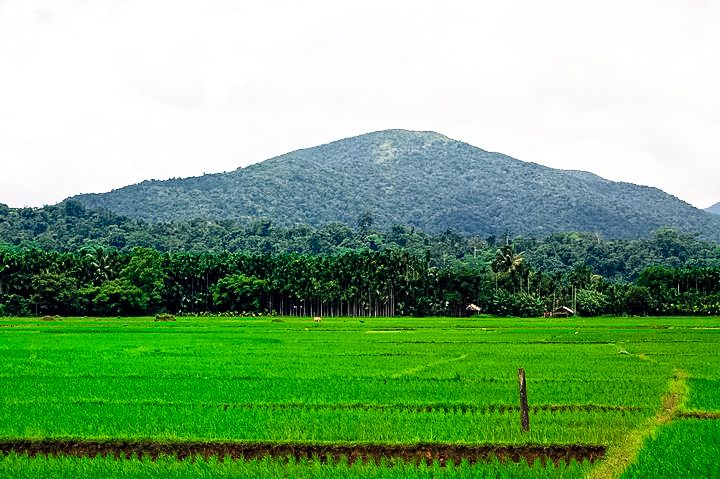
Timing your visit to North Andaman requires careful attention to seasonal weather patterns that directly affect trail safety and comfort. Official meteorological and tourism frameworks generally identify the drier months spanning from November through April as the most favourable period for undertaking outdoor treks, offering reduced rainfall, firmer ground conditions, and more manageable humidity levels. Conversely, the monsoon season brings heavy tropical downpours that turn forest tracks into slick, muddy hazards, making the ascent significantly more difficult and increasing the risk of weather-related trail closures. Even during favorable months, early morning starts are strongly recommended to complete the climb before the midday sun and peak humidity set in, ensuring a safer and more comfortable journey.
Reaching the trailhead in Diglipur requires a major travel commitment from the primary southern gateway of Sri Vijaya Puram. Because North Andaman is situated at the top of the island chain, reaching the region involves a long overland road journey heading northward along the highway network, passing through Middle Andaman districts like Baratang and Rangat. This road trip takes several hours, meaning travellers must plan their accommodation around a multi-day stay in North Andaman rather than attempting an unrealistic same-day excursion from the capital. Transport schedules and road conditions can fluctuate based on weather and operational factors, so verifying current transport availability before setting out is essential.
Diglipur serves as the primary administrative and accommodation base for anyone planning to conquer Saddle Peak. Spending time in the region allows you to pace your travel without rushing. Beyond the mountain itself, the surrounding district offers diverse natural attractions that complement a trekking itinerary, including the unique twin-island landscape of Ross & Smith Islands, the coastal stretches of Kalipur Beach, and the quiet shores of Lamiya Bay. Integrating these nearby spots into your schedule turns North Andaman into a well-rounded holiday destination rather than a single-purpose trip.

Packing your day pack for a demanding rainforest trek requires balancing preparedness with minimalism. Essential items include sturdy trekking shoes or sports footwear with aggressive tread to handle mud and rocks, lightweight, breathable clothing that dries quickly, and a sufficient supply of drinking water to combat tropical dehydration. Sun protection like a cap and sunglasses is useful for open sections near the bottom, while insect repellent helps ward off forest pests. Depending on the season, a light rain jacket or poncho is wise to keep in reserve. Every piece of equipment, personal item, and piece of waste must be carried back out with you to preserve the cleanliness of the park.
Navigating the administrative requirements for Saddle Peak is a mandatory part of the planning process. Because the trek takes place within Saddle Peak National Park, visitors must comply with all current regulations set by the Andaman & Nicobar Forest Department and local district administration. This typically involves registering at the forest check-post, paying any applicable entry fees, providing valid government-issued identification, and adhering to local guide or timing policies. Because forest entry rules, fee structures, and check-post procedures can be updated by administrative authorities, travellers should always confirm the latest requirements with local officials or their travel planner just before arriving at the trailhead.
Ensuring a safe expedition requires continuous attention to your surroundings, physical limits, and weather conditions. Always start your trek early in the morning to allow ample daylight for the climb and descent. Stick strictly to the marked trail and avoid venturing off into uncharted forest areas. Listen closely to any instructions provided by forest staff or local guides. Maintain steady hydration throughout the climb, watch your footing carefully on wet roots and rocky steps, and keep emergency contact numbers accessible. If weather conditions deteriorate suddenly or heavy rain begins, be prepared to turn back rather than risking a slippery descent in a downpour.
Treating Saddle Peak National Park with environmental responsibility is an absolute obligation for every visitor. The fragile rainforest ecosystem relies on low-impact human behavior to remain healthy. Never litter along the trail, avoid bringing single-use plastics into the park, and ensure that every wrapper or bottle is packed back out in your bag. Do not carve names into tree trunks, damage foliage, or collect plants and natural souvenirs. Keep noise levels low so you do not disturb native wildlife, and always remain on the authorized path. Practicing responsible trekking ensures that this wild mountain environment stays pristine for future generations of explorers.
Reaching the summit of Saddle Peak offers a profound sense of achievement and an opportunity to capture striking landscape photography. The interplay of filtered sunlight, heavy green foliage, and mist creates compelling forest compositions during the ascent. At the summit, when weather conditions cooperate, panoramic vistas unfold across the northern coast, islands, and open sea. However, photographers must prioritize physical safety over framing the perfect shot, avoiding risky ledges, keeping electronic equipment secured against moisture, and accepting that weather-dependent visibility can occasionally obscure distant views.
Because reaching Diglipur and completing the Saddle Peak trek involves extensive travel time, treating North Andaman as a rushed overnight stop diminishes the experience. Allocating three to four days in the region allows you to space out your activities comfortably. You can dedicate one full day to the demanding mountain trek, another day to exploring the famous sandbar at Ross & Smith Islands, and remaining time to relaxing along Kalipur Beach or visiting local markets, creating a well-paced northern adventure.
Integrating North Andaman into a broader Andaman holiday works best for travellers who have extended time on their calendar—ideally eight to ten days or more. A logical itinerary moves progressively northward from Sri Vijaya Puram through Middle Andaman to reach Diglipur, dedicating time to the trek and northern highlights before making the return journey southward. Travellers whose primary goal is a relaxing beach holiday or short water-sports getaway may find that the long road journeys required for North Andaman do not fit their preferred pace. However, for adventure-focused itineraries, this northern extension adds remarkable depth.
This experience is tailored specifically for physically active travellers, experienced hikers, nature enthusiasts, birdwatchers, and landscape photographers who want to look beyond the territory's famous beaches. It rewards those who enjoy physical endurance, dense forests, and off-the-beaten-path exploration. Conversely, travellers seeking a leisurely vacation, families with very young children, or those uncomfortable with steep, humid climbs will find that other Andaman activities align much more closely with their holiday expectations.
Arranging a seamless expedition to the remote upper reaches of the archipelago requires coordinated transport, comfortable accommodation, and reliable local guidance. Andaman Bliss helps travellers build well-structured itineraries that balance outdoor adventure with reliable logistics. Whether you are looking for comprehensive Andaman Tour Packages, specialized Andaman Activities, or a custom-built route exploring the northern district, our team can help coordinate your journey. To discover more about what the region has to offer, you can review our guide to the Best Places to Visit in Andaman and let Andaman Bliss help you design your ideal island getaway.
Discover the ferry booking tricks, SIM card recommendations, and practical island travel tips that every Andaman traveler should know before visiting.
Visit Cellular Jail and Ross Island to uncover the remarkable history of Kala Pani, India's freedom movement, and Andaman's colonial heritage.
Discover the natural wonders of Baratang Island, from mangrove creeks and limestone caves to the fascinating journey through the Jarawa Reserve.

