


Andaman Travel Tips 2026: What No One Tells You About Ferries & SIMs
Discover the ferry booking tricks, SIM card recommendations, and practical island travel tips that every Andaman traveler should know before visiting.
Discover the unexplored beauty of Rangat and Mayabunder, where untouched beaches, mangroves, and authentic island life create a truly offbeat Andaman adventure.

When most people think of an Andaman holiday, their minds automatically drift toward the familiar circuit of Sri Vijaya Puram, the active watersports hubs of Swaraj Dweep, and the quiet country lanes of Shaheed Dweep. These destinations form the core of regional tourism for good reason, offering a comfortable blend of luxury resorts, reliable ferry connections, and famous white-sand shores. However, if you look further north past the capital, the island chain opens up into a vastly different landscape. Middle Andaman introduces travellers to a quieter, greener world defined by dense forests, winding mangrove creeks, tranquil coastal stretches, and a slower rhythm of everyday life. Exploring Rangat and Mayabunder offers a rewarding alternative for visitors who have already experienced the standard tourist trail or who simply want to see how the local community lives outside the major resort towns.
Both Rangat and Mayabunder lie within the North and Middle Andaman district, positioned significantly farther north from Sri Vijaya Puram than the popular southern islands. Because they sit outside the main tourist corridor, they require a more deliberate commitment to road travel and forward planning. They form the stepping stones of any extended journey heading up toward Diglipur at the northern tip of the archipelago. Understanding their geographical placement helps you realize that visiting Middle Andaman is not a casual afternoon excursion; it requires integrating longer overland travel days into your broader itinerary.
The primary reason these northern settlements remain less visited by short-stay tourists comes down to time. Most people visiting the archipelago have only four to seven days of vacation, making it entirely impractical to spend hours on cross-country road transfers when they can easily fly into the capital and head straight to Havelock. Middle Andaman involves more extensive driving, fewer large-scale commercial hotels, a quieter dining scene, and a pace of life that does not cater to rushed itineraries. Yet, these exact characteristics are what make Rangat and Mayabunder so appealing to slow travellers, nature enthusiasts, and people who prefer quiet villages over crowded tourist beaches.

Rangat acts as the central administrative and natural hub of Middle Andaman, offering a distinct character rooted in eco-tourism and environmental preservation. According to the official Incredible India portal, the area is celebrated for its rich natural environment, featuring extensive mangrove ecosystems, seasonal waterfalls, spice plantations, and quiet coastal shores. Rather than focusing on high-energy water sports or beachside nightlife, a visit to Rangat revolves around appreciating the raw geography of the islands. It gives visitors a chance to see how the local population interacts with the dense forest interiors and coastal wetlands.

One of the standout eco-tourism attractions in the Rangat area is the Dhani Nallah Mangrove Nature Walkway. Official district administration details identify this site as a premier nature project designed to let visitors experience a fragile wetland ecosystem up close without disturbing it. The attraction features a raised wooden boardwalk that winds for nearly a kilometre through thick mangrove forests, leading right out to a quiet beach. Walking along the elevated path allows you to observe the complex root systems of mangrove trees that play a vital role in protecting coastal shorelines from storm surges and erosion. It provides a peaceful, shaded environment where you can listen to forest birds and watch small marine life in the mud below.

Located near Nimbutala, Amkunj Beach offers a distinct coastal setting characterized by dark volcanic sand, weathered driftwood, and a peaceful atmosphere. The North and Middle Andaman district administration lists Amkunj Beach among the region's prominent natural attractions, noting its appeal for travellers looking for a quiet place to sit by the sea rather than a commercial swimming hub. The surrounding area has seen community-led efforts to develop eco-friendly infrastructure like wooden seating and tree houses, making it a pleasant spot for an afternoon walk or a quiet evening watching the horizon.

Another notable coastal spot in the Rangat region is Raman Bagicha Beach, which the local district administration describes as a secluded, less-commercialized shore surrounded by lush greenery and coconut palms. Because it sees far fewer visitors than major southern beaches, it offers a genuine sense of isolation and quiet. It suits travellers who enjoy walking along uncrowded shores, collecting smooth stones, and listening to the waves without the background hum of tourist boats or beachside shacks.

For visitors looking to explore beyond the coastline, the Rangat area features inland natural attractions like the Moricedera waterfall. The official North and Middle Andaman district tourism portal lists Moricedera among the notable points of interest, offering a refreshing glimpse of freshwater streams cutting through the dense jungle interior. The experience of visiting inland natural features highlights why Middle Andaman offers more variety than a standard beach holiday, though travellers should note that water flow depends heavily on seasonal rainfall.
Continuing further north brings you to Mayabunder, a coastal settlement that feels even more remote and unhurried than Rangat. Mayabunder is characterized by rolling green hills, mangrove-lined bays, and a unique multicultural local population that includes descendants of Karen settlers from Myanmar who make their home in the area. The town serves as a quiet base for exploring nearby historic sites, scenic viewpoints, and coastal islands, offering an authentic look at everyday life in the northern reaches of the Andaman chain.

A fascinating historical site located in Mayabunder is the German Jetty, which the North and Middle Andaman district administration lists among the area's heritage attractions. Official tourism portals note that the site carries historical connections dating back to the First World War, involving German prisoners of war who were interned in the islands. Today, the remnants of the old jetty stand quietly against the coastal tide, offering sweeping views of the surrounding mangroves and open water. It adds a layer of historical context to a region otherwise dominated by natural landscapes.
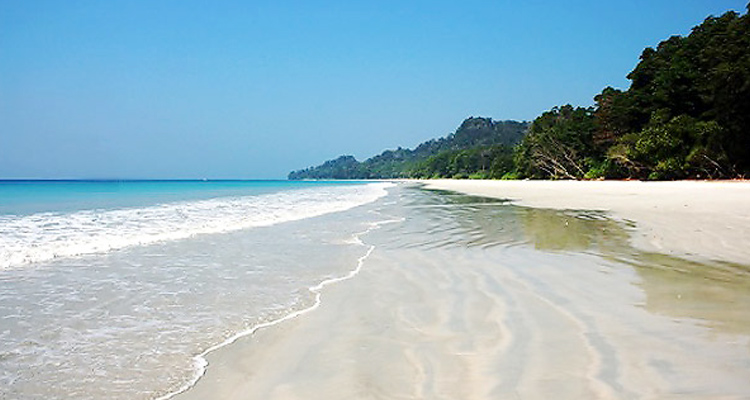
Karmatang Beach is widely considered one of the most scenic coastal stretches in the Mayabunder region. Official tourism documentation highlights Karmatang not only for its dark sand and panoramic sea views, but also for its significance as a seasonal marine turtle nesting ground managed under local wildlife conservation programs. The beach features shaded picnic areas and calm waters, making it a wonderful place for a relaxed afternoon. Visitors should keep in mind that wildlife protection rules apply strictly here, especially during nesting seasons when human access to certain zones is restricted.

Mayabunder also serves as a gateway to smaller offshore islands, most notably Aves Island, which the district administration lists among the region's natural assets. Aves Island is a small, coconut-fringed landmass located a short boat ride across the bay from Mayabunder town. While boat trips can sometimes be arranged through local operators depending on official permits and sea conditions, the island offers a quiet, uninhabited atmosphere that rewards travellers seeking total isolation.
Choosing between the two destinations depends largely on your personal interests and time constraints. Rangat is particularly appealing if your travel goals lean toward eco-tourism, mangrove boardwalks, nature walks, and quiet mainland beaches. Mayabunder, on the other hand, offers a blend of coastal scenery, wartime history, and access to offshore island spots like Aves Island. Travellers with enough time on their North and Middle Andaman itinerary do not need to choose between them; they work best when combined sequentially as part of a comprehensive regional road trip.
Reaching Middle Andaman involves travelling overland northward from Sri Vijaya Puram. Official tourism itineraries regularly outline road routes connecting the capital directly with Rangat, Mayabunder, and onward to Diglipur. The journey typically involves travelling along the regional highway network, taking several hours depending on traffic and road conditions. While sea connections can occasionally be available depending on current marine schedules, road travel remains the most reliable way to reach these northern districts. Treating the long drive as an experiential part of your holiday—passing through forests, small villages, and river bridges—makes the transit feel much more rewarding.
Exploring North and Middle Andaman requires driving along the main regional artery known locally as the Andaman Trunk Road. This road passes through protected forest zones, including sections adjacent to tribal reserve boundaries. It is vital for travellers to understand that official regulations govern movement through these sensitive areas. You must follow all instructions given by your driver and local authorities, and it is strictly illegal to attempt to stop, photograph, feed, or approach protected indigenous communities under any circumstances. Respecting these legal and ethical boundaries is mandatory for all visitors.
Rangat and Mayabunder are not destinations you should attempt to squeeze into a rushed two- or three-day weekend trip. Because the overland transit from the capital takes a significant block of time, allocating at least three to four dedicated days to explore Middle Andaman is essential. This allows you to spend a couple of nights based around Rangat to explore its mangrove walkways and beaches, followed by a couple of nights in Mayabunder to take in its historical sites and coastal viewpoints without feeling exhausted.
Travellers accustomed to the bustling resort strips of Havelock Island should set very different expectations when booking accommodation in Middle Andaman. Lodging options in Rangat and Mayabunder are much more modest, consisting primarily of comfortable government guest houses, simple forest lodges, and small local hotels. You will not find sprawling luxury resorts, vibrant nightlife, or extensive shopping malls here. Instead, the accommodation provides clean, functional resting places managed by welcoming local staff who are well-equipped to help you navigate the surrounding region.
Dining in Middle Andaman reflects a simple, local character. You can expect wholesome Indian meals, fresh seafood caught in local coastal waters, and standard vegetarian options at small town eateries and hotel dining rooms. Because the culinary scene is not commercialized for international palates, options are fewer than in major tourist centres. If you have specific dietary restrictions or are travelling with very young children, communicate your needs clearly to your accommodation provider well in advance.
The most suitable period for exploring Rangat and Mayabunder aligns with the drier months spanning from November through May. During this window, road conditions remain stable, outdoor nature walks are comfortable, and coastal views are clear. The monsoon season brings heavy rainfall that can make unpaved paths muddy and make long overland driving more challenging, though it also transforms the forests into lush, dramatic landscapes. Checking current weather forecasts before setting out on your northern journey ensures a smooth trip.
Middle Andaman is tailor-made for specific types of travellers. Nature lovers, birdwatchers, landscape photographers, couples seeking quiet surroundings, and slow travellers who enjoy authentic village life will find the region deeply rewarding. Conversely, travellers who want luxury beachfront resorts, active nightlife, non-stop water sports, and a highly structured tourist itinerary will likely find Middle and North Andaman too quiet and underdeveloped for their tastes.
The true value of visiting Rangat and Mayabunder lies in experiencing a side of the Andaman Islands that most tourists never see. It shifts your focus away from commercial beach tourism and places it squarely on the raw geography, quiet mangrove systems, local communities, and historical echoes of the territory. Crossing the forested ridges and watching the sun set over quiet northern bays offers a genuine sense of exploration that is difficult to find in the heavily visited southern islands.
Planning a smooth trip to Middle Andaman requires a few practical precautions. Always arrange your vehicle transport and accommodation well in advance, as last-minute options are extremely limited in the north. Carry a reasonable amount of physical cash, as digital payment acceptance can be patchy outside major towns. Keep your important travel documents saved offline, monitor local weather updates, and maintain a flexible mindset regarding travel times. Accepting that things move at a slower, more deliberate pace in the north will make your journey thoroughly enjoyable.
Protecting the delicate ecosystems of Middle Andaman is paramount. The forests, mangroves, nesting beaches, and wildlife habitats here require the utmost respect from every visitor. Never leave plastic waste behind, avoid disturbing turtle nesting sites, stay on designated walking paths like the Dhani Nallah walkway, and never attempt to enter restricted forest or tribal zones. Preserving these natural sanctuaries ensures that the authentic character of the north remains intact for years to come.
Incorporating these northern destinations creates a comprehensive, multi-layered Andaman holiday. You can begin your trip in Sri Vijaya Puram to absorb the history of the capital, head over to Swaraj Dweep for major beaches and scuba diving, unwind in the peaceful countryside of Shaheed Dweep, and then venture north into Middle Andaman for an immersive eco-tourism and nature experience. Official tourism itineraries occasionally outline these extended regional routes, proving they can be successfully combined into a grand island expedition.
Navigating long overland journeys, coordinating rural accommodation, and managing multi-stop regional sightseeing requires careful logistical execution. At Andaman Bliss, we help travellers design comprehensive, customized holiday itineraries that cover every corner of the archipelago. Whether you want to plan a dedicated North Andaman tour, arrange a complete Middle Andaman itinerary, or secure specialized Andaman tour packages, our local team handles your arrangements reliably. Explore our official website to discover travel solutions designed for your next island adventure.
Discover the ferry booking tricks, SIM card recommendations, and practical island travel tips that every Andaman traveler should know before visiting.
Visit Cellular Jail and Ross Island to uncover the remarkable history of Kala Pani, India's freedom movement, and Andaman's colonial heritage.
Discover the natural wonders of Baratang Island, from mangrove creeks and limestone caves to the fascinating journey through the Jarawa Reserve.

