


Andaman Travel Tips 2026: What No One Tells You About Ferries & SIMs
Discover the ferry booking tricks, SIM card recommendations, and practical island travel tips that every Andaman traveler should know before visiting.
Discover the rich marine biodiversity and tribal heritage of the Andaman Islands through the fascinating exhibits at Samudrika and Anthropological Museums in Port Blair.

When planning a holiday to the Andaman and Nicobar Islands, thoughts naturally drift towards sunlit white beaches, thrilling scuba diving excursions, open-sea island cruises, and high-energy water sports. Yet, an enriching vacation involves more than just coastlines and waves. Visitors can gain a deeper appreciation of the region by exploring the rich marine environment, geography, colonial history, and ancient indigenous communities through the capital's cultural repositories. The South Andaman District Administration lists both the Samudrika Naval Marine Museum and the Zonal Anthropological Museum among the major places to visit in Sri Vijaya Puram, commonly known as Port Blair. These two institutions offer very different but deeply complementary experiences. Samudrika helps visitors understand the complex aquatic world surrounding the islands, while the Anthropological Museum provides respectful insight into the cultural history and indigenous communities of the Andaman and Nicobar Islands.
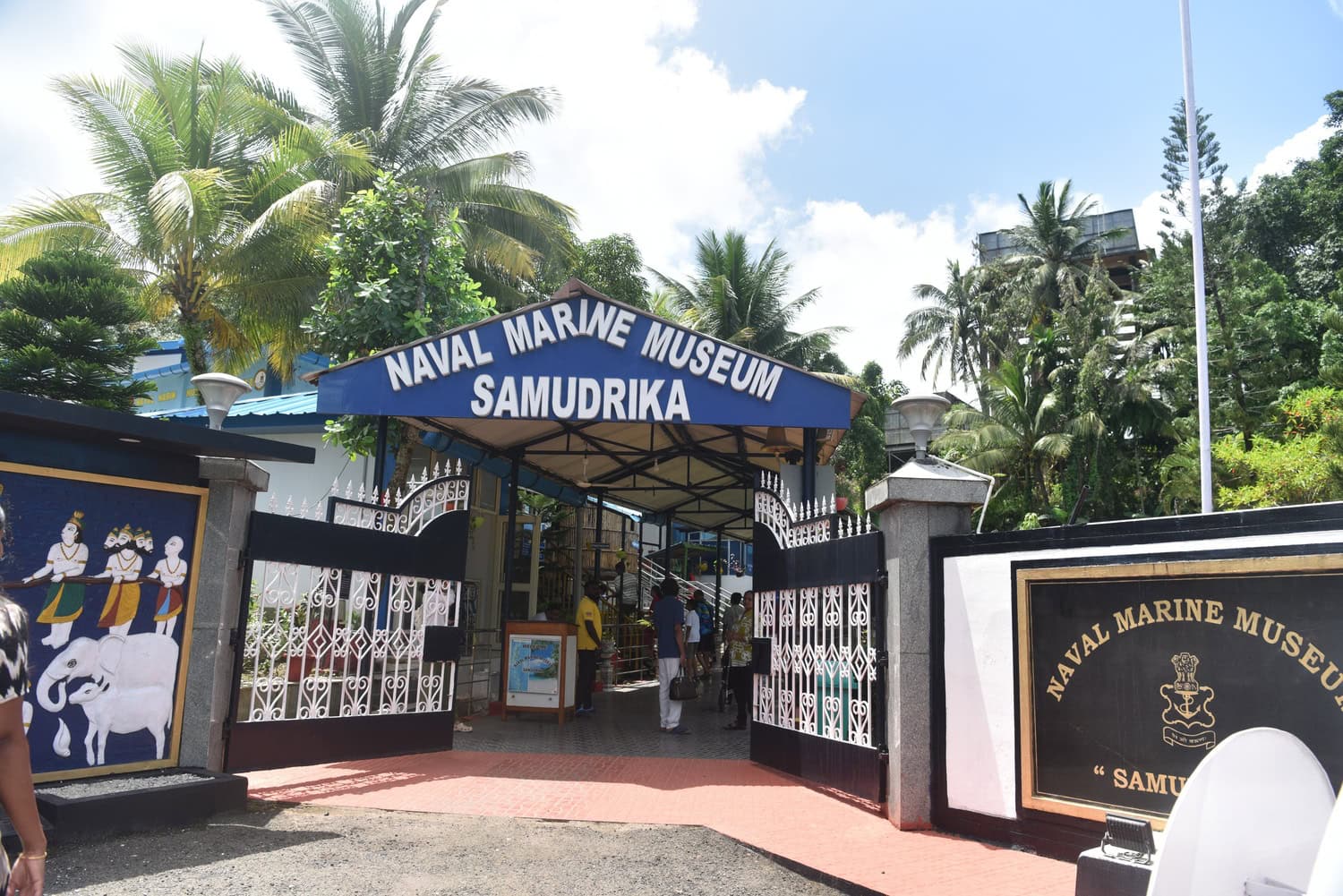
Located in Sri Vijaya Puram and managed directly by the personnel of the Indian Navy, the Samudrika Naval Marine Museum stands out as an educational focal point for travellers. Official information from the Andaman & Nicobar Tourism department describes Samudrika as a multi-dimensional facility covering marine life, coral reef ecosystems, tribal communities, regional geography, and the operational history of the islands. The museum is particularly useful for travellers who want to build a foundational understanding of aquatic ecosystems before heading out to snorkel or scuba dive around outer reefs. Its structured galleries bridge the gap between casual sightseeing and scientific awareness, making it an engaging stop for visitors of all ages.

Walking through the galleries of Samudrika reveals a wide assortment of exhibits designed to showcase the ecological wealth of the region. The official government and tourism documentation states that the museum houses extensive displays of corals, sea shells, colourful reef fish species, and preserved marine specimens. Informational panels explain the delicate balance of the oceanic environment, detailing how various marine organisms interact within the Bay of Bengal and the Andaman Sea. Additional sections present geographical maps, historical overviews, and cultural artifacts that trace the development of the territory, ensuring that visitors leave with a well-rounded view of both the land and the surrounding sea.

One of the most striking and memorable sights greeting visitors outside the main exhibition halls is the massive skeleton of a blue whale. Official tourism documentation highlights this monumental marine specimen, which washed ashore on the Nicobar coast after the animal's natural demise. Standing next to the colossal bones offers an immediate sense of the immense scale and diversity of life inhabiting the deep ocean. It serves as a powerful focal point for photographs and sparks curiosity about the largest creatures roaming the open waters of the world's oceans.
The health of the Andaman Sea depends heavily on its intricate coral reef systems, and the museum provides clear educational context on why these underwater habitats matter so much. Connecting the indoor displays at Samudrika with the vibrant marine environments you encounter while snorkelling or diving helps contextualize what you see beneath the waves. Coral polyps build complex calcium carbonate structures that act as nurseries for hundreds of fish species while protecting coastal shorelines from heavy wave erosion. Understanding these biological dynamics transforms a simple recreational swim into an appreciation of a fragile living ecosystem.
Exploring the museum before embarking on open-water excursions adds meaning to your outdoor itinerary. When you recognize how corals, molluscs, reef fish, and pelagic species rely on one another within the food web, observing them in their natural habitat becomes far more engaging. For travellers planning aquatic adventures, a morning spent walking through these marine galleries pairs wonderfully with subsequent Havelock scuba diving experiences, grounding your underwater encounters in proper ecological awareness.

Shifting focus from the marine environment to human history brings you to the Anthropological Museum in Sri Vijaya Puram, an ethnographic institution managed by the local administration. Official records state that this museum was established in the mid-1970s to document, preserve, and illustrate the traditional lifestyles of the indigenous communities inhabiting the Andaman and Nicobar Islands. It focuses on the historical presence of the original island inhabitants, utilizing respectful curation to present their heritage, ancestral tools, and cultural adaptation to a dense tropical island environment.

The museum galleries feature an extensive collection of ethnographic artifacts collected over decades of careful research. Official tourism documentation highlights displays including traditional dugout canoes, hunting bows, fishing implements, woven baskets, household utensils, ornaments, and traditional clothing. Miniature models and clay-and-hay settlement dioramas illustrate traditional village structures and community layouts, while historical photographs capture the daily routines of early islanders. Documentary screening areas also allow visitors to view short educational films detailing the history and cultural traditions of the territory.
A respectful exploration of the museum sheds light on the diverse indigenous populations native to the archipelago. Official historical data identifies multiple distinct groups, including traditionally recognized Negrito communities such as the Great Andamanese, Onge, Jarawa, and Sentinelese of the Andaman group, alongside Mongoloid communities like the Nicobarese and Shompen of the Nicobar group. These groups have inhabited the dense forests and coastal regions for thousands of years. The museum emphasizes their historical resilience, self-sufficiency, and deep ecological knowledge of the islands, presenting their story with dignity and cultural sensitivity.
Visiting the Anthropological Museum provides crucial historical and cultural context that cannot be acquired simply by lounging on sandy beaches or visiting colonial-era jails. It reminds travellers that the islands possessed a rich human history long before outside colonisation or modern tourism arrived. The exhibits highlight how indigenous societies mastered survival in isolated rainforests without modern technology, utilizing natural resources responsibly. This perspective fosters a respectful and mature understanding of the territory's pluralistic identity.
Comparing the two institutions reveals how effectively they divide the region's story between nature and humanity. Samudrika Naval Marine Museum focuses outward and downward into the blue waters, examining marine biology, oceanography, shells, corals, and maritime history. Conversely, the Anthropological Museum looks inward at human culture, social structures, indigenous tool-making, and ancestral heritage. While a nature lover might find Samudrika more aligned with their interests, and a history enthusiast may gravitate towards anthropology, visiting both institutions delivers a comprehensive overview of what makes the Andaman and Nicobar Islands truly unique.
Both museums are situated centrally within the urban footprint of Sri Vijaya Puram, making them convenient to incorporate into a single city sightseeing plan. The South Andaman District Administration lists both locations among the core cultural attractions of the capital, meaning they can be visited consecutively without requiring long-distance travel across the island. Their urban accessibility allows travellers to slot an indoor museum morning or afternoon smoothly between outdoor excursions and ferry departures.
Reaching either museum from your local hotel or guesthouse in Sri Vijaya Puram is simple and direct. Local auto-rickshaws, pre-booked private taxis, and city transit options provide reliable point-to-point connectivity across the capital. Because both locations sit along established municipal routes, your driver will easily recognize the destinations, ensuring a smooth transit experience without complicated navigation requirements.
Checking current operating hours and admission fees before you set out prevents any scheduling surprises. Official sources indicate that both museums generally observe daytime visiting hours from Tuesday through Sunday, remaining closed on Mondays and designated public holidays. Admission fees are kept minimal to encourage public education, charging nominal ticket prices for adults and students. Because administrative schedules, maintenance closures, or holiday hours can occasionally shift, confirming the latest timings with your hotel desk or tour operator on the morning of your visit is always recommended.
Indoor museums serve as an ideal itinerary addition throughout the year, completely independent of seasonal weather shifts. They prove particularly valuable on days when tropical afternoon heat peaks or when brief rain showers briefly pause outdoor beach plans. Spending a couple of hours in an air-conditioned or well-shaded gallery offers a comfortable, low-strain activity that balances out the physical energy required for scuba diving, trekking, or island hopping.
Structuring your museum visit around your wider capital itinerary keeps your day relaxed. Many travellers prefer visiting during the morning hours right after opening when galleries are quietest, leaving the afternoon open for coastal walks or sunset viewpoints like Chidiya Tapu. Alternatively, a post-lunch museum stop provides a cool indoor break before evening activities.
Families travelling with children find both museums to be exceptionally rewarding stops. Children are naturally fascinated by the massive blue whale skeleton at Samudrika and the colourful displays of reef fish and shells. Similarly, the miniature diorama models and traditional dugout canoes at the Anthropological Museum capture young imaginations without feeling like a tedious classroom lecture. It provides an educational outing that entertains and informs family members of all ages.
For students and young researchers travelling through the islands, these museums function as living textbooks. Subjects ranging from marine biology and environmental science to anthropology, sociology, and regional history come alive through tangible specimens and curated artifacts. Seeing physical tools, traditional clothing, and marine skeletons bridges the gap between abstract academic study and real-world observation.
Photography policies vary between the two institutions and can be updated by management from time to time. While personal photography is often permitted in designated areas, flash photography is frequently restricted to protect delicate organic specimens, old photographs, and sensitive ethnographic artifacts. Always look for informational signage regarding camera rules or ask museum staff for permission before capturing images. Nominal camera fees may apply at specific entry counters.
Visiting an ethnographic museum dedicated to vulnerable indigenous populations calls for a mindful and respectful attitude. Displays representing tribal cultures should be viewed with educational curiosity rather than treated as mere curiosities or entertainment. Visitors must maintain appropriate decorum, avoid inappropriate remarks, and respect all facility guidelines. Approaching cultural exhibits with sensitivity reinforces the broader principles of responsible tourism across the Andaman Islands.
Touring these museums at the beginning of your Andaman holiday enhances every subsequent experience on your itinerary. Examining marine exhibits at Samudrika gives you an advanced appreciation for the fragile coral gardens you will later observe during boat tours or diving sessions. Likewise, understanding the indigenous history at the Anthropological Museum offers profound context for the ancient landscape you traverse. Starting your trip with this educational foundation transforms a standard sightseeing trip into an informed journey.
Integrating both museums into a comprehensive Port Blair itinerary is straightforward when paired with other capital landmarks. The South Andaman District Administration highlights how easily museum visits connect with iconic stops such as the Cellular Jail National Memorial, Corbyn's Cove Beach, Marina Park, and local government emporiums. To experience these cultural highlights without logistical stress, you can explore structured Port Blair sightseeing packages that incorporate city landmarks seamlessly.
Summarizing the identity of the Andaman and Nicobar Islands requires acknowledging that the territory is far more than a collection of leisure beaches. Its true character is shaped by a complex marine biosphere, tectonic geography, ancient indigenous roots, colonial struggles, and strategic national importance. The Samudrika Naval Marine Museum and the Zonal Anthropological Museum capture two vital pillars of this larger narrative. Exploring them ensures your understanding of the islands extends far beneath the surface.
For travellers who enjoy looking beyond standard resort holidays, visiting both museums is well worth the time. They provide essential depth, especially for first-time visitors seeking historical and ecological context before navigating the outer islands. Naturally, travellers working with an extremely brief schedule may choose to prioritize outdoor beaches, but those with a couple of hours to spare in the capital will find these cultural repositories richly rewarding.
Organising multi-stop city tours, airport transfers, hotel stays, and island excursions requires careful logistical coordination. At Andaman Bliss, we help travellers design comprehensive, customized holiday itineraries that balance outdoor adventure with cultural discovery. Whether you are looking for dedicated Port Blair sightseeing tours or a complete multi-island itinerary, our local team handles every detail reliably. To discover fully coordinated travel options, explore our complete collection of Andaman tour packages and let us help you design your ideal island getaway.
Discover the ferry booking tricks, SIM card recommendations, and practical island travel tips that every Andaman traveler should know before visiting.
Visit Cellular Jail and Ross Island to uncover the remarkable history of Kala Pani, India's freedom movement, and Andaman's colonial heritage.
Discover the natural wonders of Baratang Island, from mangrove creeks and limestone caves to the fascinating journey through the Jarawa Reserve.

