


Andaman Travel Tips 2026: What No One Tells You About Ferries & SIMs
Discover the ferry booking tricks, SIM card recommendations, and practical island travel tips that every Andaman traveler should know before visiting.
Planning a diving trip to Andaman? Explore Havelock Island’s top dive sites, marine life, diving courses, and expert tips in this complete scuba diver’s guide.

When travellers plan a trip to the Andaman and Nicobar Islands, attention naturally gravitates towards white sandy beaches, swaying coconut palms, and coastal relaxation. Yet, the character of the islands shifts entirely once you submerge beneath the surface of the Bay of Bengal. Swaraj Dweep, widely known as Havelock Island, has grown into the primary hub for recreational diving in the region, offering clear tropical waters, intricate coral reefs, and vibrant marine ecosystems. Entering this underwater world reveals a completely different perspective of the archipelago, making scuba diving one of the most rewarding activities available during an island holiday. This practical guide is designed to help both first-time participants and certified divers understand what to expect, how to prepare, and how to make the most of an underwater adventure around Havelock Island through authorised operators and safe diving practices.

Navigating travel maps and planning logistics across the Andaman chain frequently involves encountering dual names for major locations. Havelock Island was officially renamed Swaraj Dweep as part of an administrative update to honour national heritage, but the name Havelock remains the term most commonly used by international visitors, online search engines, and local dive centres. Both names are used interchangeably across travel literature, but recognising Swaraj Dweep as the official designation ensures clear communication when checking local permits, ferry routes, and diving headquarters.
Several geographic and ecological factors combine to make Havelock the premier destination for scuba diving in South Asia. The surrounding sea conditions during the primary dry season feature favourable underwater visibility, while the fringing reefs host a remarkable concentration of hard and soft corals, underwater rock pinnacles, and diverse marine organisms. Furthermore, the island accommodates a wide spectrum of experiences, ranging from shallow, protected training bays ideal for beginners to deep offshore pinnacles and drift dives suited for experienced, certified divers. This diversity ensures that whether you are strapping on a diving kit for the very first time or logging your fiftieth open-water descent, the local marine environment offers engaging and varied underwater terrain.
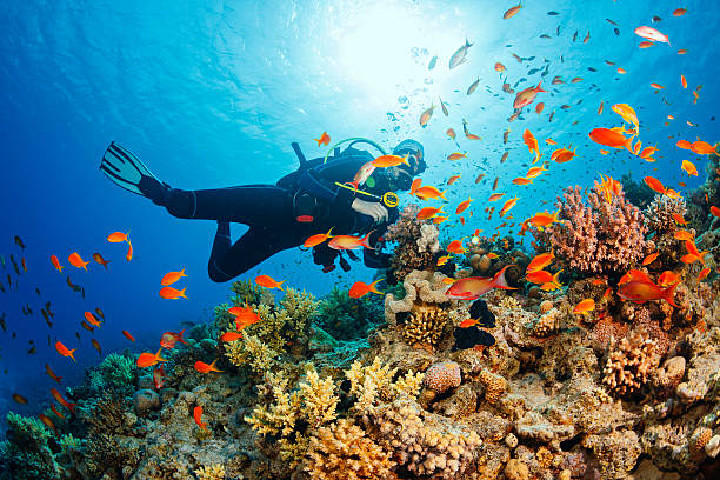
Trying scuba diving for the first time can feel intimidating, but beginner programmes are specifically structured to make the experience accessible, safe, and comfortable. Introductory options, often referred to as Discover Scuba Diving (DSD) programmes, do not require prior diving certification or advanced swimming mastery, though participants must be comfortable following instructor directions in the water. Before entering the sea, beginners undergo a comprehensive surface briefing conducted by certified instructors. This briefing covers essential safety rules, basic underwater communication hand signals, equalisation techniques for managing ear pressure, and an overview of the scuba equipment you will wear. Following the briefing, participants complete a shallow-water practice session in calm conditions to get accustomed to breathing through a regulator before heading out to the dive site under direct, one-on-one professional supervision.
Your first day of diving typically begins at a dive shop on the island, where you complete administrative paperwork, medical screening questionnaires, and sizing for your wetsuit, mask, and fins. Once geared up, you either board a dedicated dive boat or walk directly from the shore into a sheltered training lagoon, depending on the format of your chosen programme. Instructors guide you through shallow adjustments until you feel entirely comfortable breathing with your regulator. As you make your descent along a secure line or gentle slope, your personal instructor remains right beside you, holding your equipment harness to control buoyancy and guide you safely across the reef. The underwater tour lets you observe marine life up close while moving at a calm, relaxed pace, usually lasting around thirty to forty-five minutes underwater depending on your air consumption and comfort level.
The waters surrounding Havelock Island feature numerous recognized dive sites, each possessing distinct underwater characteristics. Nemo Reef is widely favoured as a primary training and beginner location due to its shallow depth, gentle currents, and abundance of small reef fish. Sites like Lighthouse and Aquarium offer pleasant conditions for both novices and intermediate divers looking to explore varied coral gardens. For certified divers with advanced credentials, offshore sites such as Dixon's Pinnacle, Jackson's Bar, and Johnny’s Gorge present thrilling topography featuring steep drop-offs, swim-throughs, and encounters with larger marine species. Selecting a specific dive site is always determined by the dive centre's lead instructors, taking into account daily weather shifts, underwater currents, tidal movements, and the experience level of the divers.
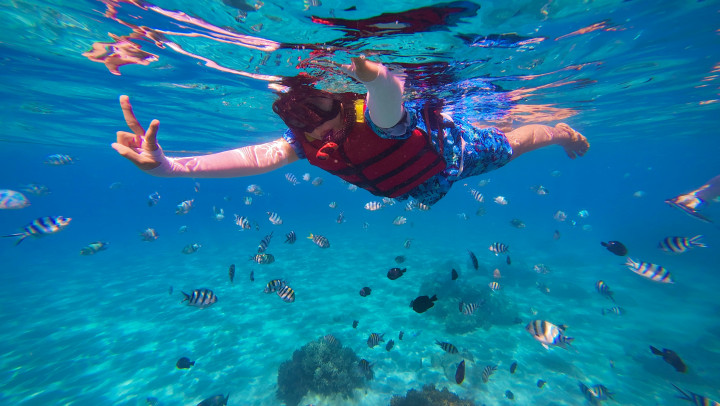
Elephant Beach is well known as a lively hub for water sports and coastal recreation, but it also serves as a popular location for shallow shore dives and introductory underwater experiences. Situated on the north-western coast of the island, the area features accessible coral patches and vibrant marine life located relatively close to the shore. While the beach can experience higher visitor volumes during peak afternoon hours, morning diving sessions here offer clear views of hard coral formations and schooling reef fish. Visiting Elephant Beach for a dive can be combined with a scenic forest trek or a quick speed boat ride from the main jetty, though all activities remain subject to local weather and maritime safety guidelines. To explore curated island itineraries that feature aquatic excursions, you can browse verified Havelock Island tour packages designed for seamless travel planning.
The marine biodiversity around Havelock is exceptionally rich, offering encounters with a wide array of aquatic species. Divers frequently encounter colourful schools of parrotfish, angelfish, butterflyfish, and snappers darting among branching staghorn and brain corals. It is also common to spot blue-spotted stingrays resting on the sandy bottom, green sea turtles grazing on seagrass, and inquisitive moray eels peering out from coral crevices. Macro photography enthusiasts often search the reef walls for delicate nudibranchs, ghost pipefish, and tiny crustaceans. Because wildlife movements are entirely natural and unpredictable, specific animal sightings can never be guaranteed on any given dive. Divers must always observe marine creatures responsibly from a respectful distance without touching or disturbing them.
Environmental conditions play a vital role in determining the quality and safety of recreational diving. The optimal window for scuba diving in the Andaman Islands runs from October through May, during the dry season when surface winds are minimal, ocean swells are low, and underwater visibility frequently extends up to twenty or thirty metres. During the monsoon months between June and September, increased rainfall, stronger winds, and turbulent seas can significantly reduce visibility and lead to temporary cancellations of boat dives. Checking seasonal weather forecasts and maintaining a flexible schedule ensures your diving plans remain aligned with safe maritime conditions.
Pricing for scuba diving in Havelock varies according to the type of programme, the certification level of the diver, and whether the session is conducted from the shore or a boat. Introductory try-dives or Discover Scuba Diving programmes generally range from moderate introductory rates for shore sessions to higher fees for specialized boat dives at outer reef locations. Certified fun dives for experienced licence holders are typically priced per dive or offered in discounted multi-dive bundles. Additional costs may apply if you choose to purchase digital underwater photography or video packages documenting your underwater experience. To review transparent pricing and select verified underwater excursions, you can explore professional Havelock scuba diving experiences that prioritize safety and certified instruction.
A standard recreational diving booking with a reputable operator typically covers all essential elements required for the activity. This includes the use of professional-grade scuba gear such as a regulator, buoyancy control device, wetsuit, mask, fins, and air cylinders. Participants also receive pre-dive safety briefings, shallow-water training sessions, and constant supervision by certified dive professionals or instructors throughout the underwater tour. Depending on the specific operator and package chosen, boat transfers to outer reef sites and light refreshments may also be included. Travellers should always clarify exact package inclusions with their chosen dive centre beforehand, as extras such as underwater cameras or resort transfers are handled on an individual basis.

Understanding the basic equipment used during recreational diving helps build confidence before entering the water. The core setup includes an aluminium or steel cylinder filled with compressed air, attached to a buoyancy control device (BCD) that allows the diver to adjust their floating posture at different water depths. Connected to the tank is a regulator system that delivers air smoothly on demand through a mouthpiece. Divers also wear weighted belts to offset the natural buoyancy of their wetsuits, along with a tight-fitting silicone mask for clear vision underwater and rubber fins to propel themselves gently through the currents. Professional dive centres maintain rigorous equipment servicing schedules to ensure all gear functions flawlessly under pressure.
Scuba diving is a highly regulated, structured activity governed by strict international safety standards, making it safe for millions of participants worldwide every year. However, it requires strict adherence to rules and respectful attention to physical limitations. Beginners are never left unattended; instructors maintain close physical proximity and monitor air consumption constantly throughout the dive. Participants must honestly disclose any medical history concerning respiratory, sinus, or cardiovascular conditions during the initial screening process. Anyone feeling unwell, anxious, or suffering from severe congestion should postpone their dive until fully recovered.
Proper personal preparation ensures your underwater experience remains comfortable and enjoyable. Ensure you get a restful night of sleep before your dive day and maintain good hydration by drinking plenty of water. Heavy meals and alcohol consumption should be strictly avoided immediately prior to putting on diving gear. Pay close attention during the instructor's briefing, as understanding underwater hand signals and clearing techniques is essential. Furthermore, travellers must keep in mind standard aviation safety rules regarding flying after diving, ensuring an appropriate surface interval passes before boarding a return flight to avoid decompression risks.
A common question among travellers is whether individuals who cannot swim are permitted to try scuba diving. Under introductory programmes like the Discover Scuba Diving format, non-swimmers are generally welcomed, provided they feel comfortable around water and are willing to follow instructions closely. Because your instructor controls your buoyancy equipment and guides you step-by-step throughout the descent and underwater tour, swimming proficiency is not strictly mandatory for a shallow introductory dive. Nevertheless, personal comfort in an aquatic environment is essential, and anyone experiencing extreme water anxiety should opt for surface snorkelling or glass-bottom boat tours instead.
While both activities offer glimpses into the marine environment, scuba diving and snorkelling provide distinctly different experiences. Snorkelling involves floating on the water's surface using a mask, breathing tube, and fin set, allowing you to observe shallow reefs from above without wearing heavy equipment. Scuba diving, conversely, equips you with an air tank and breathing apparatus that allows you to submerge entirely, sinking beneath the waves to move weightlessly alongside marine life at depth. Snorkelling is casual and easy to pick up independently, whereas scuba diving requires professional instruction, equipment familiarisation, and direct supervision by certified guides.
Certified divers holding credentials from recognised agencies such as PADI or SSI find Havelock an exceptional location to log advanced explorations. Independent fun dives allow certified individuals to explore deeper reefs, wall dives, and current-swept channels alongside professional dive masters who know the local topography intimately. Divers must present their physical or digital certification cards and logbooks upon checking in at local dive shops. Those looking to expand their skill sets can also enrol in specialty courses ranging from deep diving and underwater navigation to wreck diving during their stay on the island.
Capturing memories of your underwater encounter adds a wonderful dimension to any diving trip, provided it is approached with environmental mindfulness. Modern waterproof action cameras allow divers to record vibrant coral gardens and marine creatures in high definition. When taking photographs underwater, it is crucial to maintain neutral buoyancy so you do not accidentally kick live coral colonies or stir up sand that reduces visibility for other divers. Never harass or corner marine animals to get a closer shot; responsible photography respects the natural behaviour of reef inhabitants.
Protecting the fragile marine ecosystem around Havelock Island relies heavily on the responsible behaviour of every diver in the water. Coral reefs are living, delicate organisms that grow very slowly over centuries, meaning even a minor accidental touch from a fin or hand can cause permanent damage. Divers must master good buoyancy control to remain suspended clear of the reef substrate at all times. Feeding fish or disturbing bottom-dwelling creatures disrupts natural marine behaviour and is strictly prohibited by conservation guidelines. Adopting an ethical mindset ensures the reefs remain vibrant and healthy for future generations of ocean explorers.
Island weather patterns can shift dynamically, making it essential to maintain flexibility in your holiday itinerary. If rough surface winds, sudden squalls, or heavy rain advisory warnings occur, local authorities and dive operators may temporarily suspend boat operations or restrict diving to sheltered bays. Safety must always take absolute precedence over maintaining a rigid holiday schedule. Choosing flexible dates and keeping a buffer day in your travel plans ensures you can easily reschedule a cancelled dive without missing out on your planned experiences.
Selecting the right dive operator is the most important decision you will make when planning an underwater adventure. Look for established dive centres that employ certified instructors, maintain modern and well-serviced equipment, and display transparent safety protocols. Reviewing customer feedback regarding instructor patience, small group sizes, and clear communication helps ensure a reassuring experience. To secure reliable arrangements and combine your aquatic adventures seamlessly with hotel stays and transport, exploring verified Andaman holiday packages provides a dependable pathway for planning your trip.
Integrating scuba diving into your broader Havelock itinerary requires thoughtful time management. Avoid scheduling intense physical water activities immediately upon your arrival after a long ferry journey, giving your body time to settle in. Similarly, ensure you leave a safe window of time between your final deep dive and your departure flight home. Balancing active mornings spent on dive boats with relaxed afternoons visiting Radhanagar Beach or enjoying island cafes creates a well-rounded, enjoyable holiday rhythm. For a complete holiday plan that incorporates accommodation and local transfers, you can review comprehensive Havelock Island tour packages.
Discover the ferry booking tricks, SIM card recommendations, and practical island travel tips that every Andaman traveler should know before visiting.
Visit Cellular Jail and Ross Island to uncover the remarkable history of Kala Pani, India's freedom movement, and Andaman's colonial heritage.
Discover the natural wonders of Baratang Island, from mangrove creeks and limestone caves to the fascinating journey through the Jarawa Reserve.

