


Diwali & Dussehra Vacation in Andaman: Ideal 6-Day Family Tour Plan
Planning a Dussehra or Diwali family holiday? Explore this 6-day Andaman itinerary covering beaches, island hopping, family activities, sightseeing, and practical travel tips.
Planning an Andaman trip? Read these insider tips and travel realities that no one tells you before visiting the islands.

When you first look at a map of the Andaman and Nicobar Islands, planning a holiday across the territory seems straightforward enough: you fly into Sri Vijaya Puram, take a boat over to Swaraj Dweep, spend a couple of days exploring Shaheed Dweep, and then head back home. Brochures and social media feeds reinforce this clean, simple impression by focusing entirely on turquoise shallows, sunlit stretches of sand, and smiling travellers enjoying leisurely meals. Yet, one thing many first-time visitors realize quite quickly upon arrival is that island travel involves a layer of operational logistics that standard promotional guides rarely emphasize. A successful holiday in Andaman depends heavily on understanding how the archipelago actually functions beneath the surface. From maritime transfer schedules and shifting tides to mobile connectivity gaps and environmental regulations, knowing the practical realities of island hopping can turn a potentially stressful vacation into a smooth, deeply rewarding escape.
One of the most important realizations for an incoming traveller is that the Andaman Islands are not a single, compact holiday resort town where everything sits within a short taxi ride. Instead, the territory is an expansive maritime chain stretching across hundreds of kilometres of the Bay of Bengal. Sri Vijaya Puram, Swaraj Dweep, Shaheed Dweep, Baratang, Rangat, and Diglipur each offer entirely different environments, travel times, and infrastructural setups. Looking at a map and assuming two islands are close together because they appear near each other is a common planning error. In reality, moving between these regions requires navigating open-water ferry crossings, road convoys through protected forest zones, or long highway drives. The official tourism department itself structures its promotional material around distinct regional zones—such as South Andaman, Middle Andaman, and North Andaman—underscoring why travellers must plan their routes geographically rather than trying to see the entire territory on a short trip.

For anyone accustomed to mainland travel where trains and buses depart every few minutes, adjusting to island maritime transport requires a distinct shift in perspective. Ferries are the literal lifeline of an Andaman itinerary. Whether you book passage on a government passenger vessel or a high-speed private passenger catamaran operating out of local marine terminals like Phoenix Bay Jetty, your inter-island transit dictates the rhythm of your entire holiday. A ferry ticket is not merely a transport voucher; it acts as a fixed anchor around which your hotel check-ins, restaurant bookings, activity slots, and airport transfers must revolve. If a morning sailing is missed or delayed, the domino effect can disrupt your entire day. Official tourism guidance consistently recommends pre-booking your ferry segments well in advance, particularly during peak travel windows, and remaining vigilant about checking the latest operational notices issued by maritime authorities before heading to the jetty.
Because maritime transport across open water is naturally influenced by daily weather assessments and port safety advisories, planning an itinerary that leaves zero room for error is a risky strategy. First-time visitors often fall into the trap of packing their schedules with back-to-back commitments, such as arriving on a morning ferry from Havelock and trying to catch an afternoon flight home on the exact same day. If sea swells rise or boarding takes longer than anticipated, that tight connection breaks instantly. Building a sensible buffer day into your travel plan—such as returning to the administrative capital one full night before your scheduled mainland departure—acts as insurance against unexpected transport adjustments. An itinerary with slightly fewer attractions and a healthy buffer window produces a vastly superior holiday experience than one packed with high-stress connections.
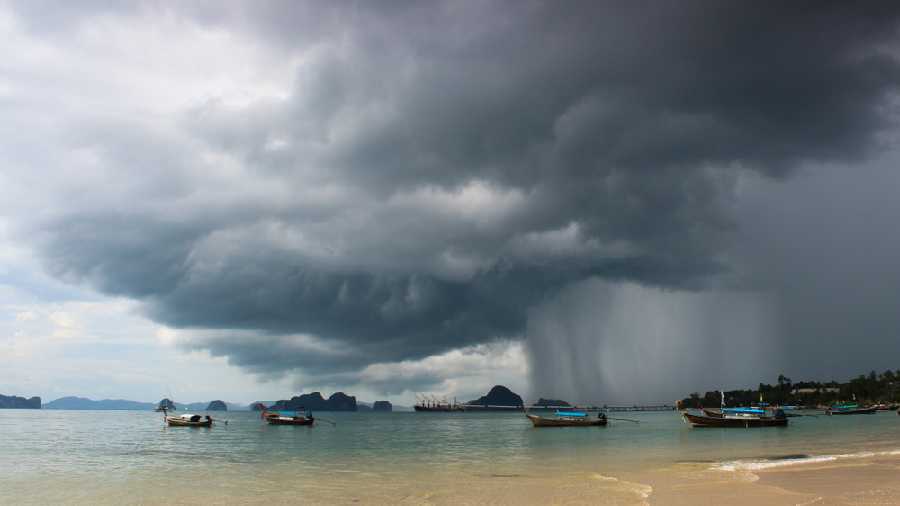
Operating under a tropical maritime climate means the islands experience weather patterns that can shift faster than mainland forecasts suggest. While the dry months generally provide stable skies, tropical rain squalls, gusty winds, and sudden sea swells can roll in with little warning. A forecast showing rain does not mean an entire day is ruined, but it does mean travellers should maintain flexible expectations. Similarly, sunny morning weather does not automatically guarantee that open-water boat excursions or scuba diving trips will operate, as local safety officials continuously monitor sea states before issuing operational clearances. Maintaining an adaptable mindset allows you to enjoy indoor heritage sites, local dining, or resort relaxation when Mother Nature decides to alter your outdoor schedule.
Promotional photographs often portray every shoreline in the territory as an idyllic, wave-free swimming pool. In practice, individual beaches possess distinct physical characteristics and serve very different purposes. Some coastal stretches are celebrated for their dramatic sunset viewings and walking paths, while others feature rocky outcrops, shifting underwater currents, or exposure to open-sea swells that make swimming unwise or prohibited. Furthermore, environmental management plans and local safety advisories regulate where and when visitors can enter the water. Treating every beach as an unsupervised swimming spot is a mistake; checking local signage, observing lifeguard instructions, and respecting daily sea conditions ensures your coastal explorations remain entirely safe and enjoyable.
An overlooked detail in island travel planning is the significant role that daily tidal movements play in shaping sightseeing opportunities. Certain coastal attractions—such as the famous Natural Bridge rock formation on Shaheed Dweep—are heavily dependent on low-tide windows for safe access and clear viewing. Attempting to visit these tide-sensitive locations without checking local schedules can result in arriving to find the path submerged or inaccessible. Travellers should never assume that an outdoor attraction can be visited at any random hour; consulting local tide charts and coordinating your daily movements with knowledgeable local guides ensures you experience these unique geological formations under optimal conditions.
The Andaman Islands boast a thriving marine activity sector, offering everything from scuba diving and sea walking to kayaking and glass-bottom boat excursions. However, a common realization among arriving tourists is that these adventures are never guaranteed to run on demand. Activity availability is governed by real-time underwater visibility, wind speeds, equipment maintenance schedules, and official safety clearances. While the official tourism portal lists multiple adventure sports across popular destinations, day-to-day operations remain flexible. Confirming an activity's status directly with certified local operators upon arrival, rather than assuming it will run exactly as booked months in advance, helps keep your daily expectations grounded.
Travellers frequently group Swaraj Dweep (Havelock Island) and Shaheed Dweep (Neil Island) together simply as "the outer islands," but they offer contrasting environments. Swaraj Dweep is the bustling center of marine adventure, upscale resort living, and famous coastal stretches like Radhanagar Beach, attracting a steady flow of energy and activity. Shaheed Dweep, by contrast, operates at a much slower, deeply pastoral pace, defined by flat agricultural lanes, quiet village life, and uncrowded shores. Understanding these personality differences helps you allocate your nights correctly, ensuring you do not expect quiet isolation on Havelock or high-octane water sports on Neil.
A subtle detail that catches many first-time visitors unawares is the profound difference between a map distance and an actual travel duration. Assuming that an island transfer is a simple "one-hour boat ride" ignores the multi-step reality of maritime transit. Moving from one island to another involves checking out of your hotel, arranging land transport to the jetty, arriving early for mandatory passenger security screening, waiting in the terminal holding area, boarding the vessel, completing the open-water journey, disembarking through luggage queues, and taking another taxi to your next resort. When you account for this operational sequence, an island transfer easily occupies half a day, reinforcing why travellers should avoid filling transfer days with major sightseeing commitments.
Island accommodation spans a wide spectrum—from clean budget lodges and homestays to eco-cottages and luxury beachfront resorts—but facility standards can vary considerably compared to modern mainland urban hotels. Depending on the property category and island location, guests may occasionally encounter fluctuations in Wi-Fi reliability, localized power supplies during heavy storms, or simpler room layouts. While premium resorts maintain robust generators and comprehensive amenities, budget and mid-range properties prioritize location and basic comfort over luxury flourishes. Reviewing recent guest feedback and verifying specific property features before booking ensures your living quarters match your personal comfort standards.
Marketing descriptions in the travel industry occasionally play fast and loose with geographical terminology. A property advertised as "near the beach" or offering "beach access" may not sit immediately on the shoreline. Many charming resorts are positioned slightly inland, behind a protective belt of native coastal forest or across a quiet local road, requiring a short five-minute walk down a public pathway to reach the sand. True beachfront properties sit directly on the coastal boundary, offering immediate sand frontage. Checking exact property maps and reviewing how the resort connects to the shoreline prevents unwelcome surprises upon arrival.

While cellular networks cover the major commercial centers and tourist hubs reasonably well, mobile data and internet connectivity across the islands can fluctuate significantly. Distance from cellular towers, dense surrounding rainforests, local infrastructural limits, and sudden weather changes can cause signals to drop from 4G to minimal service, particularly as you move away from Sri Vijaya Puram and into remote coastal stretches. Savvy travellers insulate themselves against these temporary digital blackouts by downloading offline regional maps, saving booking vouchers directly to their device storage, and keeping important emergency contact numbers recorded in an accessible format before setting out for the day.
The widespread adoption of digital wallets and UPI transactions across mainland India creates an assumption that plastic and mobile payments will cover every expense everywhere. While hotels, established restaurants, and major shops in Port Blair and Havelock accept digital payments reliably, relying 100% on a phone connection for small roadside purchases, local auto-rickshaws, or remote village stalls can occasionally backfire if local network signals drop. Maintaining a sensible financial backup by carrying sufficient physical cash ensures you never find yourself stranded over a failed network ping.
First-time travellers occasionally worry that island dining will be restricted exclusively to basic meals or simple seafood shacks. In reality, the culinary landscape across major tourist hubs is surprisingly diverse. Visitors can easily find authentic South Indian breakfast spreads, rich Bengali fish curries, classic North Indian thalis, wholesome vegetarian dishes, and continental cafe food alongside fresh coastal seafood. While dining options become more modest and homestyle as you venture into smaller settlements like Shaheed Dweep, the major tourist zones offer culinary variety that easily satisfies diverse dining preferences.
Part of the profound charm of visiting the Andaman Islands is stepping away from the non-stop convenience of modern urban life. Outer islands feature fewer commercial complexes, limited shopping outlets, quiet evening lanes, and smaller medical facilities than mainland cities. This absence of frantic urban infrastructure is precisely what makes the islands peaceful, but it requires travellers to adapt. Bringing personal comfort items, packing necessary prescription medications from home, and embracing a simpler daily rhythm allows you to appreciate island life for what it is rather than wishing for mainland amenities.
Travellers who arrive expecting pulsating beach clubs, late-night bars, and active urban nightlife will find that the islands cater to an entirely different energy. Evening life across Andaman revolves around quiet seaside strolls, starlit resort dining, private candlelight dinners, relaxed cafe conversations, and stargazing under clear skies. Public beaches are not designated for unrestricted late-night partying, and local authorities maintain peaceful evening environments to protect coastal wildlife and resting marine life. Embracing the quiet, restorative nature of island evenings is key to a satisfying stay.
The delicate ecological balance of the Andaman archipelago relies on active protection by both authorities and visitors. Environmental regulations strictly restrict single-use plastics across the territory, and taking coral fragments or seashells from the beaches is prohibited. Furthermore, stepping on coral reefs or disturbing nesting sea turtles carries severe penalties. Approaching your journey through the lens of responsible tourism—such as packing out all personal waste, staying on designated trails, and respecting marine life—ensures these fragile ecosystems remain pristine for the future.
Social media platforms have a tendency to present island locations through heavily edited, highly idealized lenses. A photograph of an empty beach captured during a rare low-tide window with professional lighting can create expectations that clash with daytime reality when tourist footfall and natural tides are active. While digital platforms provide wonderful visual inspiration, relying on official tourism portals, current travel guides, and verified provider details for actual logistical planning ensures your itinerary remains grounded and realistic.
Attempting to pack every regional destination—from Port Blair and Havelock to Baratang, Rangat, and Diglipur—into a single five-day holiday is an over-ambitious planning trap. As highlighted by regional itineraries maintained by the Andaman and Nicobar Tourism Department, short five-day trips are best structured around a focused South Andaman circuit. Trying to cover the entire length of the archipelago in less than a week leaves you with more time spent in transit than relaxing on the sand.
Treating your arrival and departure days like standard sightseeing days is a frequent scheduling misstep. Flight delays, airport exit queues, baggage collection, and hotel check-in procedures consume significant time on arrival day. Similarly, your departure day requires dedicated buffer windows to manage island-to-mainland ferry transits and airport security. Protecting these transition days from heavy sightseeing commitments ensures your journey begins and ends smoothly.
Ultimately, the most successful Andaman holidays are defined by balance rather than volume. Leaving unscripted time in your schedule to relax at your resort, watch an unhurried sunset, sample local food, or adapt to a sudden weather shift creates a much more memorable vacation. To explore seamless planning support that harmonizes transport, accommodation, and activities, you can review our curated Andaman tour packages, browse inspiring Andaman activities, or read through our comprehensive Andaman travel guide to help shape your ideal island getaway.
Planning a Dussehra or Diwali family holiday? Explore this 6-day Andaman itinerary covering beaches, island hopping, family activities, sightseeing, and practical travel tips.
Looking beyond the usual tourist spots? Explore Andaman's best offbeat destinations, hidden beaches, and scenic natural escapes.
Discover night kayaking in Port Blair with practical information on bioluminescence, mangrove routes, safety rules, best season, equipment, and what to expect after sunset.

