


Diwali & Dussehra Vacation in Andaman: Ideal 6-Day Family Tour Plan
Planning a Dussehra or Diwali family holiday? Explore this 6-day Andaman itinerary covering beaches, island hopping, family activities, sightseeing, and practical travel tips.
Looking beyond the usual tourist spots? Explore Andaman's best offbeat destinations, hidden beaches, and scenic natural escapes.

When many travellers first picture the Andaman and Nicobar Islands, their minds naturally turn toward the most familiar and established destinations across the central and southern corridors. The urban energy of Sri Vijaya Puram, the renowned beaches of Swaraj Dweep, the pastoral lanes of Shaheed Dweep, and the wide appeal of Radhanagar Beach form the foundational circuit that draws the vast majority of visitors to the territory. Yet, for those who choose to look beyond this primary tourist track and venture further north toward Middle and North Andaman, an entirely different side of the archipelago emerges. Travelling to offbeat places to visit in Andaman involves a shift from commercial resort areas toward quieter landscapes, expansive mangrove ecosystems, dense forest reserves, remote island communities, and less-commercialised coastal environments. Embracing this alternative side of the islands does not mean encountering unmapped wilderness; rather, it means trading dense tourist crowds and structured beachfront itineraries for road journeys, boat transfers, village surroundings, and deeper nature-based exploration.
Defining an offbeat destination within the context of the Andaman Islands requires understanding how infrastructure, geography, and travel dynamics shape regional tourism. A lesser-known or quieter destination typically features fewer mainstream tourist facilities, a longer travel time from the primary aviation gateway, limited commercial development, and a stronger focus on raw natural surroundings rather than resort amenities. These locations often place travellers directly into village communities, mangrove networks, and forest reserves where daily life moves at a slower pace. Reaching them frequently depends on regional road connectivity, inter-island ferries, or small-boat transfers rather than the high-speed passenger catamarans that shuttle visitors between the southern hubs. Consequently, an offbeat destination is best judged by the experiential depth it offers—such as solitary beach walks, birdwatching, and undisturbed coastal photography—rather than simply by how few people happen to be there at any given moment.
One of the strongest examples of alternative island travel within the territory is Long Island, situated off the eastern coast of Middle Andaman. Official tourism documentation describes Long Island as one of the least commercialised inhabited islands in the region, preserving a distinct, community-focused atmosphere that feels far removed from the bustling energy of Swaraj Dweep. The island is characterized by dense tropical forests, quiet village pathways, and direct access to remarkable coastal environments, including the sweeping shores of Lalaji Bay Beach and the sheltered waters surrounding nearby islets. Reaching Long Island typically involves travelling northward by road from Sri Vijaya Puram toward Rangat, continuing onward to Yeratta Jetty, and securing local boat services across the water. This multi-step transit deters casual day-trippers, leaving the island peaceful and unhurried. For nature lovers, hikers, and travellers seeking a slower island lifestyle supported by basic local guesthouses rather than luxury resorts, Long Island serves as an exceptional base for exploring quiet coastal trails and uncrowded shores.
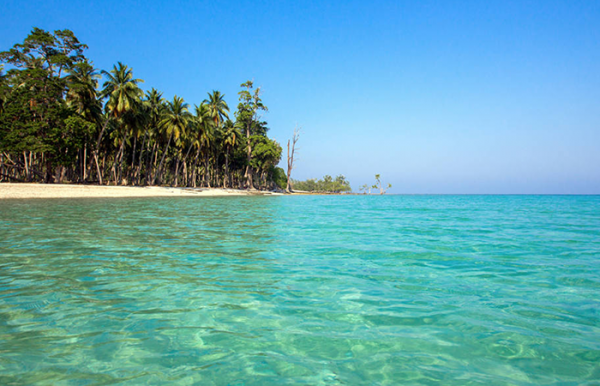
Situated on the western coast of Long Island, Lalaji Bay Beach represents a rewarding coastal destination for travellers who appreciate remote shorelines and natural tranquility. The beach is framed by thick coastal vegetation and rolling forest slopes, creating a strong sense of isolation from the rest of the island. Reaching the bay often involves a pleasant walk across the island's interior forest paths from the main settlement area, adding an element of light hiking to the beach visit. Once there, visitors are greeted by an expansive shoreline where the primary sounds are the wash of the gentle surf and the rustle of coastal trees in the sea breeze. Because Lalaji Bay lacks heavy commercial infrastructure, visitors should arrive prepared with drinking water and basic sun protection, treating the experience as a pure nature excursion rather than a facility-rich beach club visit.
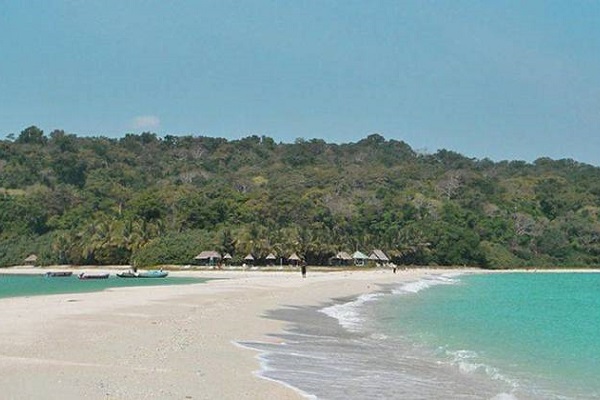
Moving further up the regional road network brings travellers to Rangat, an important administrative and environmental hub situated in Middle Andaman. Rather than functioning as a conventional beach resort town, Rangat has established itself as a focal point for eco-tourism, mangrove conservation, and community-based nature exploration. Official tourism itineraries prominently feature Rangat for its rich wetland ecosystems and coastal reserves. The region is home to Amkunj Beach, known for its dark volcanic sand and rocky shoreline, as well as Curtbert Bay Beach, an important seasonal nesting site for marine turtles managed under strict conservation guidelines. For travellers interested in understanding the ecological diversity of the islands beyond standard resort tourism, Rangat offers a grounded, nature-focused stopover that highlights the administrative and environmental care dedicated to preserving Middle Andaman's natural assets.

Among the standout eco-tourism attractions in the Rangat region is the Dhaninallah Mangrove Walkway, which provides a rare opportunity to observe one of the Andaman's most vital coastal ecosystems up close. The site features a specially constructed wooden boardwalk that winds gently through a vast, thriving mangrove forest, allowing visitors to walk directly over the tidal wetlands without disturbing the delicate mudflats or root structures below. As you move deeper along the elevated path, the dense canopy overhead filters the sunlight, creating a tranquil environment where you can observe complex root systems, tidal movements, and resident birdlife in their natural habitat. Staying strictly on the designated boardwalk is essential to protect the wetland ecology and ensure visitor safety, making Dhaninallah an educational and visually rewarding stop for nature photographers and families interested in environmental conservation.
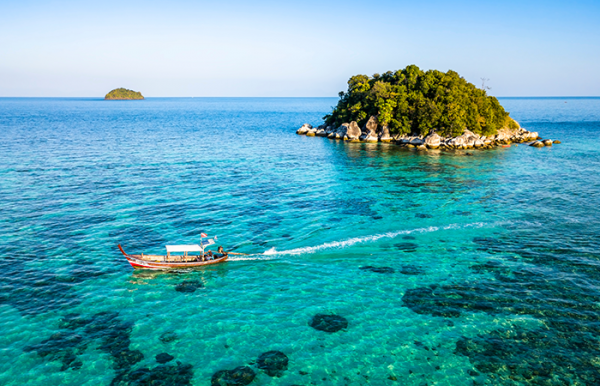
Continuing northward along the primary trunk road leads to Mayabunder, a quiet coastal settlement that offers another distinct chapter of Middle Andaman exploration. Historically shaped by diverse settlement histories and timber industry roots, Mayabunder presents a relaxed, unhurried atmosphere characterized by rolling hills, mangrove-lined estuaries, and quiet fishing jetties. Official regional itineraries highlight Mayabunder as a gateway to peaceful coastal stretches like Karmatang Beach, as well as a departure point for boat excursions to nearby offshore islands such as Avis Island. The town itself serves as a functional and calm stopping point for road travellers pushing further north toward Diglipur, providing basic local amenities and an authentic glimpse into the daily rhythms of regional island life away from the heavy tourist circuit.
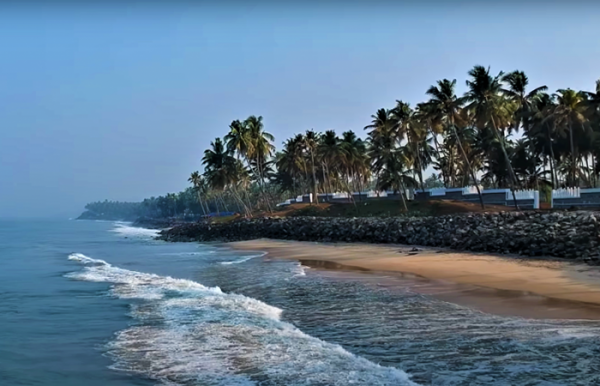
Located a short distance from Mayabunder, Karmatang Beach offers a wide, gently sloping coastline framed by lush tropical greenery and calm coastal waters. The beach is particularly noted for its ecological significance as a protected nesting ground for marine turtles, reflecting the region's broader commitment to wildlife conservation. The shoreline's broad expanse and quiet character make it an appealing destination for travellers who prefer peaceful beach strolls, birdwatching, and sunset photography over crowded recreational water sports. Because wildlife protection rules are strictly upheld—particularly regarding nesting seasons and evening access—visitors must respect all local signage and administrative guidelines, ensuring that tourism coexists harmoniously with the natural life cycles of the coastal environment.
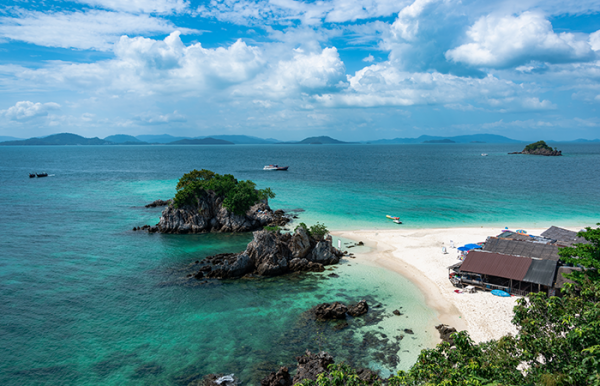
For travellers with sufficient holiday time who wish to explore the absolute northern limits of the archipelago, Diglipur stands as the ultimate destination. Situated in North Andaman, Diglipur requires a substantial overland commitment from the capital, a journey that rewards persistent travellers with some of the most dramatic terrain in the territory. The region is dominated by Saddle Peak, the highest elevation in the Andaman Islands, whose forested slopes offer challenging trekking opportunities for outdoor enthusiasts. Nearby, the Alfred Caves complex provides subterranean limestone exploration within deep forest reserves. The northern coast also grants access to Kalipur Beach and the remarkable Ross and Smith Islands, where a shifting sandbar connects two distinct landmasses at low tide. Staying overnight in Diglipur rather than attempting a rushed day trip is essential for experiencing the region's diverse terrestrial and coastal highlights properly.

Situated near the foot of Saddle Peak in North Andaman, Kalipur Beach offers a scenic coastal setting characterized by dark volcanic sand and a backdrop of steep, forested hillsides. The beach shares the ecological importance of the northern coastline as a nesting habitat for marine turtles, reinforcing the region's wild and protected character. Kalipur is particularly popular among hikers returning from Saddle Peak or travellers based in Diglipur who wish to enjoy a quiet, contemplative morning by the water. The combination of mountain heights rising directly behind a marine shoreline creates a dramatic visual composition, making it a favored spot for landscape photography and peaceful coastal reflection.

Further along the northern coastal road near Diglipur lies Lamiya Bay, another striking location that highlights the rugged topography of North Andaman. The bay features a pebble-and-sand shoreline bordered by dense tropical forest and rocky outcrops against which the open sea breaks with steady rhythm. Lamiya Bay appeals strongly to travellers who enjoy natural coastal walking, exploring intertidal pools, and experiencing remote marine environments without commercial interference. Combining a visit to Lamiya Bay with nearby attractions like Kalipur Beach and the Alfred Caves provides a well-rounded exploration of the wilder, more remote landscapes characterizing the northernmost reaches of the territory.
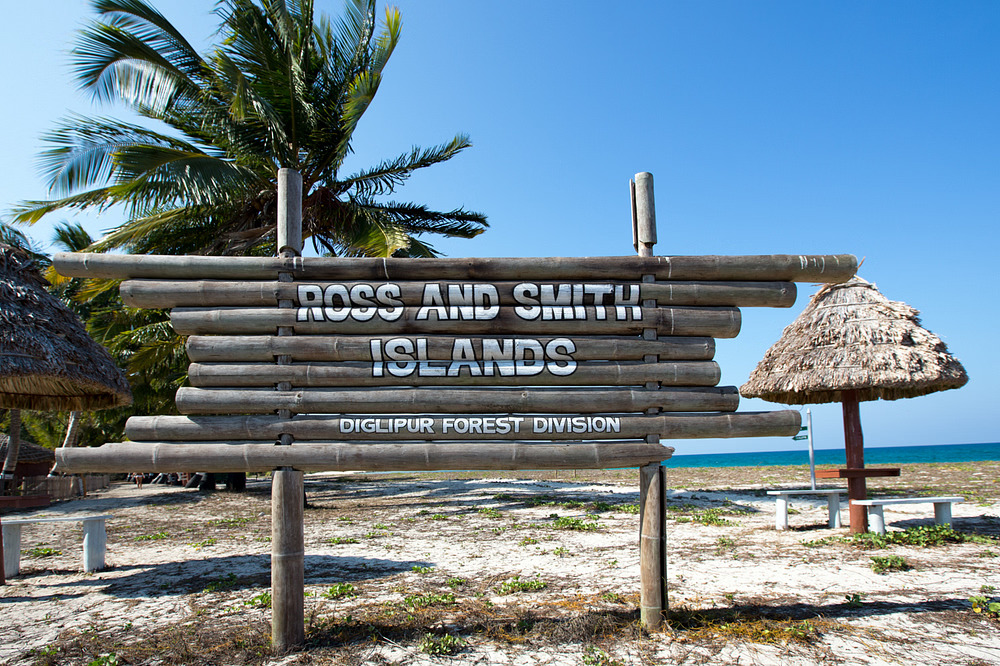
Located off the northern coast near Diglipur, the Ross and Smith Islands represent one of the most visually striking geographical formations in the Andaman Sea. The destination consists of two separate forest-covered islands linked together by a slender, natural sandbar of white coral sand that emerges explicitly during low tide, creating a walk-on bridge across shallow turquoise water. Reaching the islands involves taking an authorized local boat from a designated northern departure point, subject to prevailing sea conditions and maritime rules. Walking across the shifting sandbar while gentle waves lap against both sides offers a memorable coastal experience. However, visitors must remain mindful of tidal schedules, as the connecting sandbar submerges completely during high tide, temporarily separating the islands once again.
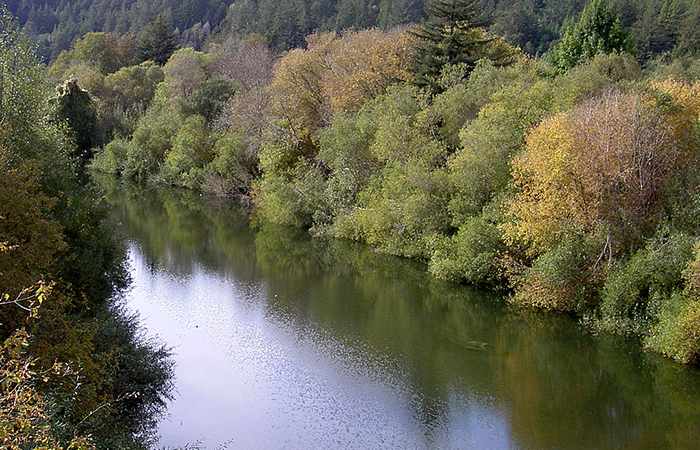
For travellers with a deep interest in specialized ecological systems, Austin Creek near Diglipur offers a fascinating riverine excursion through dense mangrove-fringed waterways. Official regional descriptions highlight the creek as a tranquil waterway associated with unique limestone formations and rich avian biodiversity. Exploring Austin Creek by boat provides a quiet, immersive journey into the heart of North Andaman's wetlands, contrasting with the better-known limestone caves of Baratang further south. Because operational access, boat availability, and local permissions can vary, travellers interested in exploring Austin Creek should verify current arrangements with authorized local providers or forestry authorities before planning their excursion.

No discussion of alternative or unusual Andaman destinations is complete without mentioning Baratang Island, situated between the southern and northern sectors. While Baratang is certainly no longer an unknown secret, its famous limestone caves, mangrove creek boat journey, and roadside Mud Volcano offer an excursion that feels markedly different from a standard resort beach day. Reaching Baratang requires an overland journey through regulated forest corridors and a boat crossing through tidal creeks. This route passes through regions adjacent to the protected Jarawa Tribal Reserve, making adherence to strict government regulations mandatory. Travellers must obey all laws prohibiting photography, videography, stopping vehicles, or attempting to communicate with members of the indigenous community. Approaching Baratang with respect for tribal protection rules and environmental guidelines ensures a safe and legally compliant journey.
Embarking on a journey through the less-commercialised regions of Middle and North Andaman requires significantly more logistical forethought than booking a standard southern itinerary. Because distances are greater, road travel is more extensive, and public transport is less frequent, travellers should incorporate additional days into their overall holiday duration. Pre-arranging dependable vehicle transport, confirming inter-island boat availability, and maintaining flexible schedule buffers are essential practices to handle occasional weather-related delays or road maintenance. Furthermore, carrying a sufficient reserve of physical cash is vital, as digital payment acceptance and ATM reliability decrease outside the major urban centers of Sri Vijaya Puram. Always cross-check current administrative guidelines and regional advisories with official tourism sources before setting out on your journey.
Aligning your travel dates with seasonal climatic patterns is particularly important when venturing beyond the mainstream tourist corridor. Official tourism guidance indicates that the months from October through May provide the most favourable travel window across the archipelago, offering stable weather, manageable sea states for boat excursions, and dry road conditions for extended overland journeys. While the monsoon months from June through September transform the forests of Middle and North Andaman into vibrant, lush landscapes, they also introduce heavy rainfall, slippery hiking trails, and potential maritime disruptions that can complicate remote travel. Favouring the drier post-monsoon and winter months ensures safer trekking conditions, reliable boat access to islands like Ross and Smith, and clearer weather for outdoor photography.
Choosing whether to focus your holiday on the established southern circuit or venture into the quieter landscapes of the north depends entirely on your personal travel philosophy. Offbeat Andaman destinations are ideally suited for couples seeking quiet surroundings, dedicated nature lovers, birdwatchers, landscape photographers, hikers, and repeat visitors who have already explored Swaraj Dweep and Shaheed Dweep. Conversely, travellers with very limited holiday time, families seeking extensive resort infrastructure, or visitors who prefer minimal travel transit may find the conventional southern circuit a more comfortable fit. Recognizing your own travel priorities ensures you select the itinerary style that delivers the most rewarding holiday experience.
Comparing alternative destinations against the territory's most popular tourist hubs reveals a clear contrast in travel style. The popular southern circuit—anchored by Sri Vijaya Puram, Swaraj Dweep, and Shaheed Dweep—provides highly developed tourism infrastructure, abundant resort choices, diverse dining options, and streamlined activity booking, making it effortless for first-time visitors. In contrast, Middle and North Andaman offer longer road journeys, rustic accommodations, simpler local dining, and an absence of commercial crowds, rewarding the traveller with pristine forests, untouched beaches, and an authentic encounter with regional island life. Neither style is superior; rather, they serve entirely different travel desires.
Venturing into lesser-commercialised regions places an increased ethical responsibility on every visitor to practice rigorous environmental and cultural stewardship. Because remote areas often lack extensive municipal waste-management systems or rapid emergency response networks, travellers must take complete personal responsibility for their refuse—carrying all plastic waste and packaging back to major centers for disposal. Never remove shells, coral fragments, or natural rocks from local beaches, stay strictly on authorized walking trails within forest reserves, and follow all instructions issued by local authorities and Forest Department guides. By conducting your travels with mindfulness and respect, you help preserve the fragile ecological and cultural integrity of these remarkable northern landscapes.
Curating a complex, multi-region itinerary that seamlessly connects the urban gateway of the south with the remote caves, peaks, and quiet beaches of Middle and North Andaman requires careful logistical coordination. Partnering with an experienced local travel planning partner like Andaman Bliss helps ensure your preparations run efficiently from start to finish. Whether you are looking to arrange comprehensive Andaman tour packages, family getaways through verified Andaman family packages, or romantic getaways via our collection of Andaman honeymoon packages, our team ensures your journey flows smoothly. To explore broader regional planning insights, you can review our detailed destination guides via the best places to visit in Andaman and let Andaman Bliss help you design your ideal island getaway.
Exploring the lesser-known destinations across Middle and North Andaman rewards travellers who are willing to venture beyond the familiar tourist circuit, spend more time on the road, and embrace a slower, nature-focused style of exploration. From the quiet shores of Long Island and the mangrove walkways of Rangat to the dramatic peaks and tidal sandbars of Diglipur, the north offers a profound contrast to the resort-focused beaches of the south. By planning your logistics thoughtfully, respecting local environmental and tribal protection regulations, and maintaining flexibility around weather and transport, you unlock a raw, deeply authentic side of the islands. Choose the itinerary style that matches your adventurous spirit, and let the wild, scenic beauty of the Andaman Sea define your journey.
Planning a Dussehra or Diwali family holiday? Explore this 6-day Andaman itinerary covering beaches, island hopping, family activities, sightseeing, and practical travel tips.
Discover night kayaking in Port Blair with practical information on bioluminescence, mangrove routes, safety rules, best season, equipment, and what to expect after sunset.
Planning a Barren Island volcano tour? Learn about private boat charters, cruise routes, costs, permits, sailing time, active volcano views, and travel tips.

