


Diwali & Dussehra Vacation in Andaman: Ideal 6-Day Family Tour Plan
Planning a Dussehra or Diwali family holiday? Explore this 6-day Andaman itinerary covering beaches, island hopping, family activities, sightseeing, and practical travel tips.
Planning a food-filled Andaman vacation? Explore the top restaurants, local dishes, seafood, and cafés across the islands in this complete foodie guide.

When travellers first picture the Andaman and Nicobar Islands, thoughts naturally drift toward sweeping white-sand beaches, dense rainforests, and clear turquoise waters. Yet, beyond the scenic landscapes lies a vibrant culinary culture that deserves just as much attention as the coastal views. Because the islands serve as a meeting point for diverse communities, the local food scene extends far beyond simple beachside snacks. Visitors can explore everything from freshly caught seafood and traditional fish curries to comforting South Indian breakfasts, rich Bengali-style preparations, North Indian staples, and varied international dishes. Sri Vijaya Puram offers the widest concentration of restaurants, cafés, and local eateries across the territory, while Swaraj Dweep and Shaheed Dweep feature charming dining options tucked near their main beaches and resort areas. Understanding what to eat, where to eat, and how the dining scene shifts between islands allows travellers to experience the archipelago through a uniquely flavorful lens.
The culinary landscape of Andaman is shaped primarily by its geographic isolation, coastal environment, and the rich mix of cultures that settled across the islands over generations. Rather than featuring a single, isolated cuisine unique to the indigenous tribes, the local food culture is a mosaic of influences brought by migrants, settlers, and traders from mainland India and beyond. Coastal fishing traditions naturally place seafood at the center of many menus, while historical migrations have infused the islands with strong Bengali and South Indian culinary traditions. North Indian dishes, continental meals, and tropical ingredients such as coconut and local spices round out the variety. This diversity means that travellers can enjoy a completely different dining experience every day of their trip, moving effortlessly from a spicy coastal fish curry to a traditional vegetarian thali.
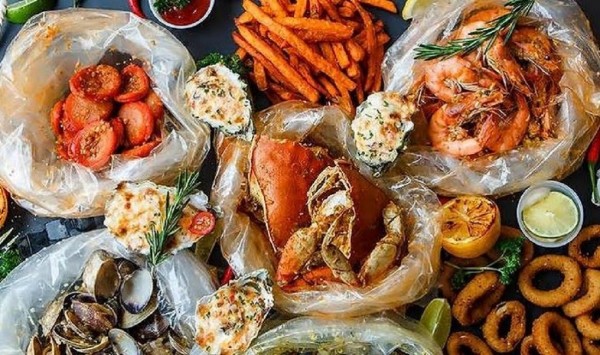
When exploring local menus, seafood naturally commands the spotlight, prepared in styles that highlight the freshness of the daily catch. Traditional fish curries are a staple, often simmered in a coconut-based or tomato-and-onion gravy flavoured with regional spices. Prawn curries and dry-fried prawn preparations are equally popular, offering rich flavours that pair well with steamed rice. For those who enjoy shellfish, locally sourced crab preparations cooked in thick masalas provide a rewarding, hands-on dining experience. Grilled fish and simple pan-fried seafood seasoned with garlic, lemon, and mild spices are widely available for travellers who prefer cleaner, less complex flavours. Depending on seasonal availability and sustainable catch limits, grilled lobster can also be found at select upscale venues. Beyond the sea, the culinary influence of mainland settlers introduces aromatic Bengali-style mustard fish preparations alongside comforting South Indian breakfast items like idli, crisp dosas, and warm sambar. Seasonal tropical fruits, including fresh pineapples, papayas, and tender coconuts, provide a refreshing finish to any meal.
As the administrative and transport hub of the territory, Sri Vijaya Puram—commonly referred to by travellers as Port Blair—boasts the most diverse dining network in the islands. Restaurants and eateries are spread across key urban zones such as Aberdeen Bazaar, Marina Park, Delanipur, Junglighat, and Haddo. Aberdeen Bazaar serves as a bustling center where casual local eateries and family-run restaurants serve reliable South Indian meals and regional Indian classics. Near Marina Park and the waterfront, visitors can find establishments offering elevated dining with views of the harbour, specializing in fresh seafood preparations. Vegetarian travellers will find dedicated eateries scattered throughout the central market areas, offering wholesome thalis and North Indian curries. Additionally, a growing collection of cozy cafés across the capital caters to travellers looking for coffee, light snacks, and relaxed continental menus before embarking on historical sightseeing tours.
Once you make the maritime crossing over to Swaraj Dweep, popularly known as Havelock Island, the dining atmosphere shifts toward a more relaxed, island-centric rhythm. Eateries are concentrated primarily around Govind Nagar, Vijay Nagar, the vicinity of Radhanagar Beach, and the main jetty area. Here, dining options range from casual beachside shacks and open-air cafes to refined resort restaurants. Many establishments near Vijay Nagar and Govind Nagar focus on a mix of fresh seafood, continental comfort food, and North Indian curries designed to satisfy travellers returning from a long day of scuba diving or sunbathing. Because the island is spread out, planning your meals around your daily activities or choosing a restaurant near your accommodation makes evening logistics much simpler.
Shaheed Dweep, widely known as Neil Island, offers a significantly smaller and more intimate dining environment compared to the capital and Swaraj Dweep. Food availability is clustered largely around Neil Kendra, the area near Bharatpur Beach, and the main resort properties scattered across the island. The culinary scene here reflects the rural, agricultural character of the island itself, offering straightforward, wholesome meals. Visitors can expect homestyle fish curries, freshly prepared prawn dishes, basic vegetarian thalis, and local snacks. Dining on Shaheed Dweep is unhurried and relaxed, making it an ideal place to enjoy a quiet meal after spending the afternoon cycling through green farm lanes or watching the sunset at Laxmanpur Beach.

For seafood lovers, visiting the Andaman Islands provides an opportunity to sample coastal cooking at its source. Restaurants across the territory prepare seafood using various techniques, including tawa-frying, tandoori-charring, deep-frying, and simmering in rich coconut or mustard gravies. Commonly available fish varieties, along with prawns, crabs, and occasional lobsters, form the backbone of these menus. A reliable practice when ordering seafood is to ask your server about the day's fresh catch rather than relying solely on printed menus, ensuring you receive the most abundant and freshest option available. Whether you prefer a fiery coastal fish curry or a simply grilled fish fillet with garlic butter, the islands' kitchens cater to diverse seafood preferences.

While seafood receives much of the attention, vegetarian travellers are well-catered to across the Andaman Islands. Because a significant portion of domestic travellers and local residents follow vegetarian diets, restaurants maintain reliable selections of meat-free dishes. Visitors can easily find South Indian breakfast items, North Indian paneer curries, dal preparations, assorted Indian breads, and complete vegetarian thalis. Rice-based meals and fried noodles are also universally available. While vegetarian choices are abundant in Sri Vijaya Puram and Swaraj Dweep, travellers with strict dietary requirements are advised to communicate their needs clearly to restaurant staff when ordering, particularly in remote locations where menus may be more limited.
The prominent presence of both Bengali and South Indian cuisine in Andaman highlights the diverse history of migration to the islands. Early settlers, administrative staff, and labourers brought their home recipes with them, establishing a culinary tradition that blends seamlessly with local ingredients. Bengali-style fish curries cooked in mustard oil and pungent spices sit comfortably alongside South Indian coconut chutneys, crispy vadas, and rice-based delicacies. This cultural fusion gives the island's food scene a distinct personality that differentiates it from standard mainland tourist destinations.
Dining choices in Andaman can be tailored effortlessly to match different travel styles and companionship. Couples celebrating a honeymoon or anniversary can seek out candlelit resort terraces or waterfront seafood dinners in Sri Vijaya Puram and Havelock. Families travelling with children will find comfort in reliable Indian restaurants, diverse menus, and familiar breakfast spreads that satisfy varying appetites. Solo travellers can easily explore casual cafés and local eateries in central districts. Vegetarian and budget-conscious visitors will discover ample value in casual dining spots across the towns, while dedicated seafood enthusiasts can design their itinerary around fresh coastal catches and specialized dining venues.
Beyond sit-down restaurants, exploring local markets and casual roadside stalls offers a glimpse into everyday island life. Visitors can sample fresh coconut water, seasonal tropical fruits sold by local vendors, traditional Indian snacks, and hot tea or coffee at modest tea stalls. While casual roadside eating can be an enjoyable part of the journey, maintaining sensible food hygiene habits—such as choosing busy establishments and drinking safe bottled water—ensures your culinary explorations remain comfortable throughout your trip.
For travellers staying at upscale properties on Swaraj Dweep or Shaheed Dweep, resort dining often forms an integral part of the accommodation experience. Resort restaurants typically offer comprehensive breakfast spreads, multi-course dinner menus featuring both Indian and continental dishes, and specialized seafood selections. Many properties also accommodate romantic candlelit dining setups near the beach or in private garden gazebos upon request. While resort dining provides convenience and ambiance, stepping out to explore local cafés and restaurants adds a wonderful layer of local flavor to your island holiday.
Approaching a seafood menu in Andaman becomes much simpler when you keep a few practical guidelines in mind. Always ask your server if the seafood is priced per portion or charged by weight, particularly when ordering crabs or large whole fish, to avoid unexpected totals on your bill. Inquire about the day's special catch and the kitchen's recommended preparation style for that specific fish. Communicating your preferred spice level and mentioning any food allergies before the kitchen starts cooking ensures a comfortable and satisfying meal.
Enjoying the local food scene safely involves applying standard, sensible dining habits. Prioritize restaurants that experience high daily turnover, as bustling kitchens indicate fresh ingredients and rapid stock rotation. Ensure that all seafood and meat dishes are thoroughly cooked through. Always drink safe, purified bottled water rather than tap water. If you have severe food allergies, inform your server explicitly and carry any necessary personal medications with you. Applying these straightforward precautions allows you to dine across the islands with complete peace of mind.
While restaurants and eateries operate throughout the year, the dry season spanning from October through May offers the most comfortable weather for dining out, exploring local markets, and enjoying open-air or beachfront meals. During these months, ferry transits between islands run smoothly, allowing food enthusiasts to sample the distinct culinary offerings of Port Blair, Havelock, and Neil Island without weather disruptions. Planning your culinary adventures during this vibrant travel season ensures maximum restaurant availability and fresh ingredient sourcing.
Weaving food exploration into a standard Andaman itinerary is remarkably straightforward when structured around your geographic movements. Begin your holiday in Sri Vijaya Puram by sampling local Indian eateries and waterfront seafood restaurants. As you transfer over to Swaraj Dweep, balance your days of beach exploration and water sports with relaxed dinners at island cafés and beachside dining rooms. Conclude your journey with the quiet, homestyle cooking found on Shaheed Dweep. To explore fully coordinated travel options that seamlessly weave dining, accommodation, and island transfers into custom-built itineraries, you can review our curated Andaman tour packages and let us help you design your ideal island getaway.
Discovering the culinary identity of the islands is much easier when your travel logistics are managed by experienced local experts. Andaman Bliss helps travellers coordinate comprehensive travel services, including verified Andaman tour packages, inter-island ferry arrangements, resort stays, guided sightseeing, and specialized Andaman activities. Whether you are looking for romantic dining setups, family-friendly itineraries, or recommendations for exploring local flavours, our team ensures your journey flows effortlessly from arrival to departure. To explore curated itineraries tailored to your schedule, review our detailed best places to visit in Andaman and let Andaman Bliss help you design your ideal island getaway.
Ultimately, the food story of the Andaman Islands is defined by variety rather than a single signature dish. The harmonious blend of coastal seafood traditions, Bengali homestyle curries, South Indian breakfast staples, and international café culture creates a dining landscape as diverse as the islands' geography. By venturing beyond your resort dining room, asking about the daily catch, and allowing time to sample local flavours, you uncover a rich, multi-dimensional side of the archipelago. To coordinate your culinary journey and explore seamless holiday planning, let Andaman Bliss help you design your ideal island getaway.
Planning a Dussehra or Diwali family holiday? Explore this 6-day Andaman itinerary covering beaches, island hopping, family activities, sightseeing, and practical travel tips.
Looking beyond the usual tourist spots? Explore Andaman's best offbeat destinations, hidden beaches, and scenic natural escapes.
Discover night kayaking in Port Blair with practical information on bioluminescence, mangrove routes, safety rules, best season, equipment, and what to expect after sunset.

