


Diwali & Dussehra Vacation in Andaman: Ideal 6-Day Family Tour Plan
Planning a Dussehra or Diwali family holiday? Explore this 6-day Andaman itinerary covering beaches, island hopping, family activities, sightseeing, and practical travel tips.
Find out the perfect number of days to spend in Andaman based on your travel goals, budget, and the islands you want to explore.

When most people plan a holiday to the Andaman Islands, their days are filled with sunlit activities. They imagine walking on wide white-sand beaches, swimming in shallow turquoise lagoons, exploring coral reefs through a snorkel mask, or taking high-speed boat rides between islands. However, the archipelago offers a completely different side of travel that only begins after the sun sets and darkness settles over the coast. Away from the bright lights of resorts and towns, the sea takes on a quiet, absorbing quality. Climbing into a small kayak in the evening introduces you to an unusual experience—getting onto the dark water and watching tiny points of natural light respond to the movement of your paddle. This phenomenon, known as bioluminescence, has steadily drawn curious travellers who want to see the ocean come alive in an unexpected way. Understanding what night kayaking in Havelock is actually like helps you set realistic expectations, plan for safety, and decide if it belongs on your Andaman itinerary.
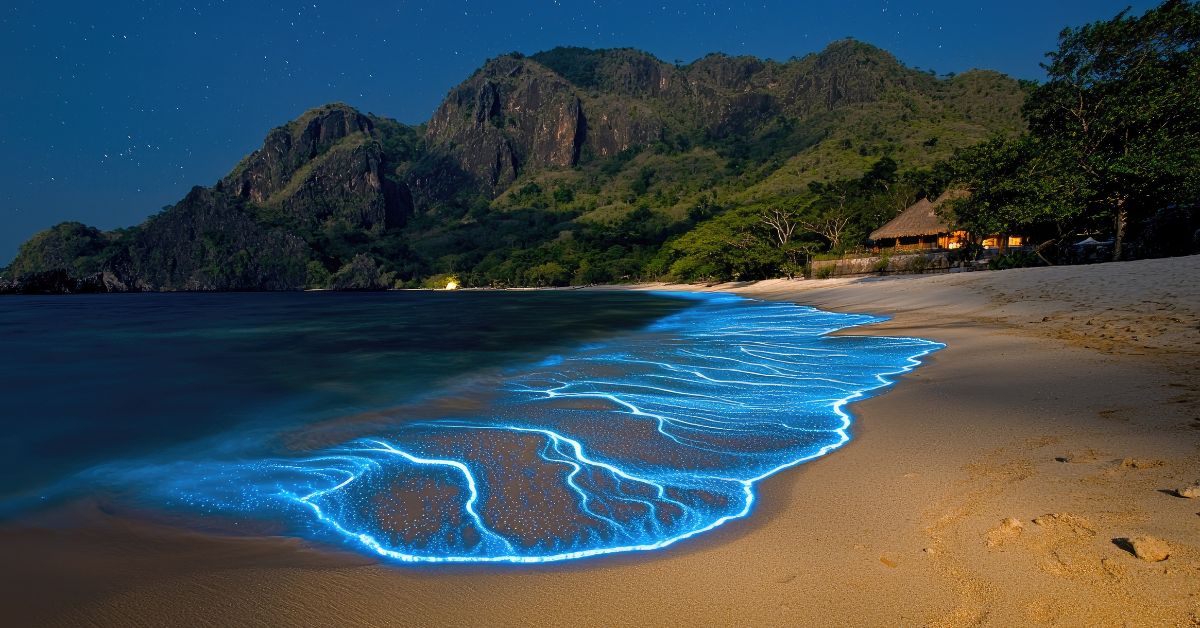
To appreciate what happens when you paddle across the sea after dark, it helps to understand the natural biology behind the glow. According to official guidelines published by the Andaman & Nicobar Tourism Department, bioluminescence is defined as light produced by living organisms through chemical reactions within their bodies. In marine environments, this light is generated primarily by microscopic organisms, including tiny marine plankton and dinoflagellates. When these minuscule creatures experience physical disturbance—such as a paddle blade sweeping through the water, a fish darting past, or small waves breaking against a kayak hull—they emit a brief flash of light. It is an entirely natural biological process driven by the movement of the water, offering a direct window into the micro-ecosystems thriving beneath the surface.

Setting proper expectations is essential for anyone interested in this activity. When the paddle moves through dark water, tiny flashes or glowing trails may sometimes appear around the kayak. The effect is more noticeable when the surrounding area is dark. However, travellers should not expect the entire ocean to look like a bright blue swimming pool or a scene from a Hollywood movie. The experience can range from subtle points of light to a more noticeable glow depending on natural conditions. Some nights reveal vibrant sparks with every stroke, while other nights produce only faint, scattered flashes. This honesty is important because bioluminescence is a natural biological phenomenon, so there is no guarantee of a dramatic display every evening.
The activity is commonly associated with Swaraj Dweep, historically and commonly searched for as Havelock Island. As one of Andaman's major tourist destinations, the island is already well known for white-sand beaches, coral reefs, tropical forests, and marine activities. The District South Andaman government notes that Swaraj Dweep provides a welcoming environment for visitors seeking both relaxation and outdoor exploration. Adding night kayaking to an itinerary allows travellers to experience the island's coastal environment from a completely different perspective, stepping away from the daytime beach routine and engaging with the marine world after dark.
Comparing daytime paddling with an evening excursion highlights two contrasting ways to utilize a kayak. During the day, kayaking allows travellers to see mangrove roots, coastline, water colour, marine surroundings, birds, and other natural sights under bright sunlight. At night, the experience changes because visibility is restricted and the focus shifts entirely toward the water, the night sky, the sounds around the kayak, the movement of the paddle, and the possibility of seeing bioluminescence. Night kayaking is not simply daytime kayaking in the dark. It requires different safety procedures, specialised equipment, and experienced guides because the operating environment carries additional risks associated with limited visibility, water navigation, and distance from shore.

A typical guided night kayaking experience follows a structured operational sequence designed for safety and comfort. It begins on land, where you meet your kayaking guide and receive a thorough safety briefing on how to handle the stable sit-on-top watercraft. Once your life jacket is fitted securely, the group heads down to the shoreline and gets into the water after sunset. You paddle together in a designated area, keeping a steady pace while watching the surrounding water for any signs of natural bioluminescence. After spending time on the water, the group returns safely to the launch point with the guide. The exact flow varies depending on the operator, location, weather, and current regulations.
Kayaking at night introduces distinct hazards compared to daytime outings, meaning safety must always be the top priority. The official 2026 guidelines published by the tourism administration emphasize that night sea kayaking should be conducted exclusively through properly authorised operators following strict safety protocols. These guidelines require trained and certified guides, emergency preparedness, suitable safety equipment such as guide lighting and reflective strips on kayaks, designated operating areas, and continuous weather monitoring. Participants must stay with the group, follow the planned route, and respect all instructions given by the guide. Independent night paddling in unfamiliar coastal waters is unsafe and should never be attempted.
Marine adventures after dark depend heavily on calm, stable weather and sea states. The official guidelines specify calm water and set operating conditions relating to wind speed, wave height, currents, and distance from shore, requiring trips to be postponed or cancelled when conditions exceed specified limits. The practical lesson for travellers is straightforward: if the weather or sea conditions turn uncooperative, your kayaking session may be delayed or called off. Accepting these safety-related decisions without frustration ensures your holiday remains secure and stress-free.
Because bioluminescence is entirely natural, visibility cannot be promised on any specific night. Several environmental factors influence whether the plankton produce a visible glow, including overall darkness, water temperature, nutrient levels, plankton concentration, recent weather, and local sea movements. While some travellers hope for a new moon because darker skies make faint natural light easier to perceive, a new moon alone does not guarantee strong bioluminescence. Understanding that nature operates on its own schedule helps keep your expectations realistic and ensures you enjoy the night out on the water regardless of the biological activity.
Determining the most suitable time for night kayaking involves evaluating local weather patterns, sea conditions, moonlight phases, and operator schedules. Rather than assuming a specific month guarantees the brightest glow, travellers should check current conditions and activity availability shortly before booking. Because operators adjust their schedules based on daily maritime forecasts and administrative rules, flexibility in your holiday itinerary remains the best approach.
Night kayaking cannot simply be done anywhere along the coastline of Swaraj Dweep (Havelock Island). The official 2026 guidelines state that night sea kayaking must operate from specially designated areas, and bioluminescence zones must be clearly demarcated. Furthermore, regulations restrict operations around coral reefs, rocky shallows, dangerous marine-life habitats, and narrow mangrove channels after dark. Always confirm the current authorised operating location directly with your activity provider to ensure your excursion follows all official zoning rules.
Preparing for an evening on the water requires practical clothing choices. Wear comfortable, quick-drying athletic garments and suitable footwear that can get wet during launch and landing. Avoid heavy materials that retain water. When it comes to carrying personal items, keep your belongings minimal. Bring a small bottle of drinking water, a small towel, personal medication if required, and insect protection where appropriate. Do not take loose valuables, unsealed electronics, or expensive cameras onto the kayak, as dropping items into the dark sea is a very real risk. Follow your guide's instructions regarding lighting and electronics.
First-time visitors often wonder if they need advanced paddling skills to join a night excursion. Beginners can participate in guided night kayaking experiences if the operator accepts them and current conditions are suitable. You do not need to be an expert kayaker, but you do need to be comfortable around water, capable of following instructions, and able to maintain steady paddling. Always confirm your eligibility and any participation requirements directly with the authorised operator prior to making reservations.
Selecting a reliable provider for evening water sports requires verifying that the company operates strictly within official guidelines. Ensure the operator is properly registered, utilizes stable kayaks, provides mandatory safety equipment like life jackets and hull reflectors, employs trained guides, follows designated routes, and maintains a transparent weather cancellation policy. The official Andaman Tourism Department maintains directories of registered water-sport operators, helping travellers verify local credentials easily.
Engaging with delicate marine environments carries an inherent responsibility to leave zero negative impact behind. Travellers must never touch or collect marine organisms, throw rubbish or plastic waste into the water, damage coral formations, feed wildlife, or use bright lights unnecessarily. Staying strictly within the designated kayaking route and respecting the marine habitat ensures that the coastal ecosystem remains clean and balanced for the future.
Coordinating multi-island transport, resort accommodation, ferry bookings, and specialized water activities requires careful logistical planning. At Andaman Bliss, we help travellers design seamless, customized holiday itineraries that cover every corner of the archipelago. Whether you want to book dedicated Andaman tour packages, arrange exciting Havelock Island packages, or secure a fully customised Andaman itinerary, our local team handles your arrangements reliably. To explore fully coordinated travel options, you can also review our complete collection of Andaman adventure activities and let us help you design your ideal island getaway.
Planning a Dussehra or Diwali family holiday? Explore this 6-day Andaman itinerary covering beaches, island hopping, family activities, sightseeing, and practical travel tips.
Looking beyond the usual tourist spots? Explore Andaman's best offbeat destinations, hidden beaches, and scenic natural escapes.
Discover night kayaking in Port Blair with practical information on bioluminescence, mangrove routes, safety rules, best season, equipment, and what to expect after sunset.

