


Diwali & Dussehra Vacation in Andaman: Ideal 6-Day Family Tour Plan
Planning a Dussehra or Diwali family holiday? Explore this 6-day Andaman itinerary covering beaches, island hopping, family activities, sightseeing, and practical travel tips.
Planning a trip to Baratang? Explore the limestone caves, mangrove forests, and everything you need to know before visiting.

When planning an itinerary through the Andaman and Nicobar Islands, visitors are routinely greeted by imagery of sun-drenched resort beaches, turquoise lagoons, and leisurely ferry rides between coral-fringed shores. Yet, a glance at a regional map reveals that the territory extends far beyond the popular southern tourism circuit, offering interior landscapes and geological formations that feel entirely different from a standard resort holiday. Among these inland destinations, Baratang Island holds a prominent position as a major one-day excursion from the capital. Reaching Baratang, however, is not a simple matter of walking onto a casual beach ferry. It demands an early morning departure, a substantial road journey through regulated forest corridors, a vehicle ferry crossing across tidal straits, a boat ride through winding mangrove creeks, and a walk through natural terrain to reach the famous limestone caves.
This raises a practical and entirely valid question for any traveller balancing a limited holiday schedule: Is Baratang Island actually worth the time, physical effort, and early start? The answer depends entirely on what you want from your Andaman holiday. For travellers eager to experience diverse ecosystems, unusual geological formations, dense mangrove waterways, and an adventure that moves well beyond typical beach relaxation, Baratang can be a fascinating and rewarding addition to an itinerary. Conversely, visitors operating on a very short holiday whose primary priorities are diving, lounging on resort shores, and minimizing transit time may find that the long day trip is not the best use of their schedule. Approaching the destination with clear, realistic expectations ensures you can make an informed decision about whether to include it in your travel plans.
Baratang Island offers an experience that contrasts sharply with the beach-focused atmosphere of Swaraj Dweep or Shaheed Dweep. Situated in Middle Andaman, roughly a hundred to a hundred and ten kilometres north of Sri Vijaya Puram by road, the region shifts the focus from marine water sports to terrestrial and estuarine exploration. The official tourism portal describes the journey as a full-day excursion that typically requires a three-to-four-hour road transit, an early morning departure, and regulated transit management. Instead of spending your day at a resort lounge, a Baratang trip combines forest highways, protected reserve corridors, tidal mangrove waterways, subterranean limestone cave systems, and secondary geological attractions like the local mud volcano. This combination creates an environment where the journey itself carries just as much weight as the final destination, making it an appealing option for travellers who enjoy road trips and nature-based exploration.
One of the most important realities to understand before booking a Baratang trip is that the excursion cannot be viewed simply as a quick visit to a roadside attraction. The journey is an extended logistical sequence that shapes the entire day. Leaving Sri Vijaya Puram early in the morning, travellers head northward along the Andaman Trunk Road toward Jirkatang. From this checkpoint, vehicles often travel in a police-escorted convoy through the protected forest corridor before reaching the Middle Strait area. Here, vehicles are loaded onto a vehicular ferry to cross the tidal channel to Nilambur/Baratang, after which visitors proceed toward the departure point for the mangrove creek boat ride. This multi-stage transit means travellers spend significant time in vehicles and on watercraft. Recognizing this structure helps set the right psychological framework: Baratang is an expedition-style day trip rather than a casual morning sightseeing stop.
An unavoidable aspect of travelling along the northern road route toward Baratang is passing through areas adjacent to the Jarawa Tribal Reserve. This region is governed by strict legal frameworks administered by local authorities to protect the privacy, culture, health, and well-being of the indigenous Jarawa community. Official tourism guidelines explicitly state that visitors must follow regulations prohibiting stopping, photography, videography, or any attempt to communicate with members of the community while transiting through the reserve. Travellers must understand clearly that this corridor is simply a necessary route for reaching Middle Andaman, not a tourist sightseeing opportunity. Respecting these legal boundaries and following every instruction given by drivers, forest officials, and police personnel is an absolute legal and ethical requirement for everyone visiting the islands.
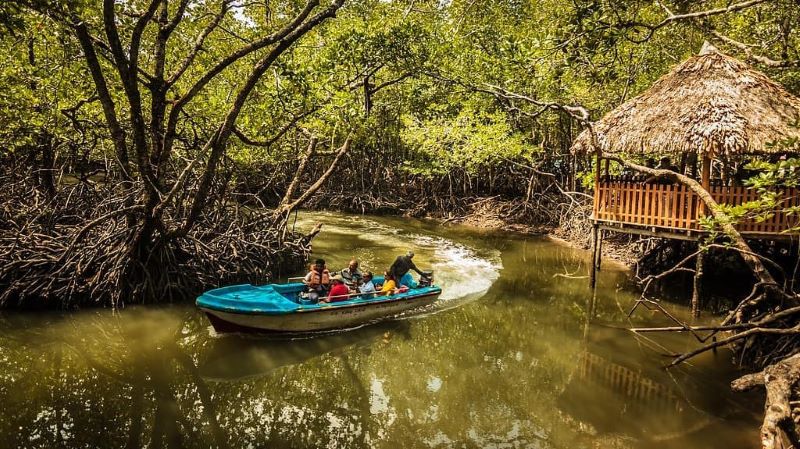
Once the overland transit reaches the designated departure jetty, the character of the journey shifts dramatically from road travel to marine navigation. Reaching the limestone caves requires boarding an authorized local boat to travel through a vast network of narrow, winding waterways flanked by dense mangrove forests. This mangrove creek journey forms one of the most distinctive and visually engaging parts of the excursion. As the boat glides quietly between sprawling mangrove roots and mudflats, passengers are immersed in a thriving coastal wetland ecosystem that feels completely removed from the open sea. The changing light through the green canopy and the quiet movement of the water offer a serene transition before you reach the walking trail leading to the caves.
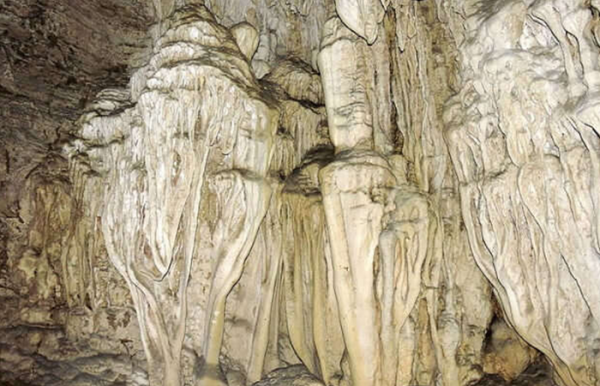
At the heart of the Baratang excursion are the limestone caves, which draw geology enthusiasts and curious travellers alike. These subterranean formations are natural geological structures shaped over thousands of years through the slow erosion of limestone by water. Inside the cave chambers, visitors encounter ancient rock textures and mineral formations carved by natural processes. However, it is vital to maintain realistic expectations regarding what the caves actually look like. They are uncommercialized, natural geological features rather than heavily developed, illuminated tourist attractions with elaborate concrete walkways. The appeal of the caves lies precisely in their raw, natural character and the adventurous nature of reaching them through a mangrove creek, rather than in polished spectacle.
Deciding whether the limestone caves justify the effort depends entirely on your personal travel interests. For travellers who appreciate geology, natural history, and environments that contrast with standard beach tourism, the caves offer a genuinely interesting diversion. The experience of navigating a mangrove creek by boat followed by a short walk through natural terrain adds a wonderful sense of exploration to an Andaman holiday. On the other hand, travellers expecting massive, brightly lit caverns with extensive tourist facilities or those who dislike long transit days may find the physical effort outweighs the visual reward. An honest assessment of your own curiosity regarding natural rock formations will determine whether the caves earn a spot on your itinerary.
Reaching the interior of the limestone caves requires stepping off the boat and continuing on foot along a short walking trail. The terrain across this route consists of natural forest ground, soil, and uneven stone paths that can become damp, muddy, and slippery during or after rainfall. Visitors must wear sturdy, comfortable footwear with reliable grip rather than casual sandals. Staying strictly on the designated path, moving at a steady, cautious pace, and paying close attention to your footing ensures that the short trek remains safe and manageable. Because the cave environment is humid and natural, visitors with significant mobility limitations should carefully evaluate whether the uneven terrain suits their physical comfort before committing to the excursion.
To prevent disappointment, it helps to be explicit about what the Baratang Limestone Caves are not. They are not a luxury tourist attraction, an air-conditioned subterranean exhibit, or an easy, five-minute roadside stop. The path leading to them requires a boat ride and a walk across natural ground, and the cave interiors rely on natural lighting and basic exploration conditions. Understanding these limitations beforehand ensures travellers appreciate the destination for its genuine, unadorned natural environment rather than searching for amenities that do not exist.
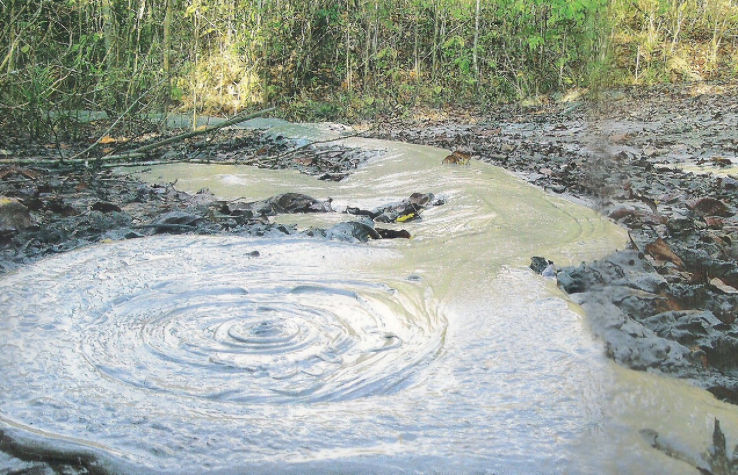
While the limestone caves frequently receive the most attention, Baratang offers an additional geological feature in the form of its local Mud Volcano. Located a short distance away, this site features small, bubbling mud-erupting vents caused by natural underground gases reacting with subterranean mineral deposits. While the mud volcano is not a towering, explosive mountain of fire, it provides a fascinating geological curiosity that adds variety to a Baratang day trip. Observing the grey, viscous mud slowly bubbling up offers a unique look into subterranean forces at work, complementing the water-carved architecture of the limestone caves.
Because Baratang is treated primarily as a day trip originating from Sri Vijaya Puram, travellers must prepare for a long, comprehensive day of travel. Official tourism resources describe the excursion as a full-day commitment, factoring in the approximate three-to-four-hour road journey in each direction, convoy scheduling, vehicle ferry transits, the mangrove boat ride, walking time, and the return trip. This means the excursion will easily consume the vast majority of daylight hours. Travellers should avoid booking evening flights or tight dinners immediately following a Baratang day trip, as unforeseen road delays or weather adjustments can occasionally influence the exact return time.
Evaluating whether Baratang suits families or older adults requires a careful review of the physical demands involved. The long hours spent sitting in vehicles, the early morning departure, the heat and humidity, the boat transfer, and the uneven walking terrain can combine to create a tiring day. Older children who possess an active interest in nature, geography, and boat rides often find the excursion engaging and memorable. However, families travelling with very young toddlers or senior citizens with limited mobility should assess whether the physical stamina required for a full-day transit aligns comfortably with their holiday goals.
Seasonal considerations play an important role in shaping a successful Baratang excursion. Official tourism guidance identifies the months from October through May as the most favourable travel window, offering more stable weather conditions, drier road corridors, and calmer sea states for the mangrove boat ride. Conversely, the monsoon season from June through September brings heavy tropical downpours that can make forest roads muddy, cave pathways slippery, and mangrove creek operations subject to weather-related pauses. Checking local weather forecasts and official administrative updates immediately before your planned travel date is essential for ensuring smooth operations.
Preparing thoughtfully for a day trip to Baratang ensures you remain comfortable through changing environments. Dress in lightweight, breathable clothing designed for tropical humidity, and lace up sturdy walking shoes with good traction. Pack a compact rain jacket or umbrella to guard against sudden showers, alongside broad-spectrum sunscreen, sunglasses, and a reusable water bottle to maintain hydration. Carry basic personal medications, insect repellent, and a reliable waterproof pouch to protect your electronics from humidity and boat spray. Crucially, ensure you carry your original government-issued photo identification documents, as they are mandatory for checkpoints along the route.
The diverse landscape of Baratang offers wonderful photography opportunities, ranging from the moody green reflections of the mangrove creeks to the intricate textures of the limestone caves. Capturing these scenes successfully requires balancing technical patience with environmental respect. Use steadying techniques or small supports for low-light cave photography without relying on disruptive flashes that disturb the cave's natural atmosphere. Most importantly, remember that strict legal prohibitions protect the privacy of the Jarawa Tribal Reserve; photography, videography, or even raising a camera while transiting through the protected forest corridor is strictly illegal and subject to severe penalties.
Maintaining a safe and environmentally responsible excursion involves adhering to established local guidelines. Always stay with your assigned tour group, follow the exact instructions of boat operators and guides, and respect all environmental notices by packing out every piece of waste you generate. Never touch or attempt to break cave formations, and avoid stepping off authorized trails. In the event of an emergency, remember that essential helplines include Police at 100, Fire at 101, Medical Ambulance at 108, and the official Tourist Helpline at 1363. Responsible travel ensures your adventure remains secure while protecting the fragile ecosystems of Middle Andaman.
Comparing a Baratang excursion against a standard resort beach day highlights the fundamental choices available during an Andaman holiday. A beach day offers relaxation, swimming, water sports, leisurely dining, and an effortless pace centered around comfort. A Baratang day trip offers active exploration, geological discovery, forest transit, mangrove boating, and a deeper look into the island territory's interior geography. Neither experience is objectively superior; rather, they serve entirely different travel desires. Understanding this contrast ensures you allocate your precious holiday days to the activities that genuinely excite you.
Baratang Island is an exceptional destination for travellers who love nature, geology, road trips, and exploring environments far removed from commercial beach resorts. It rewards those who possess patience, physical stamina, and a curiosity about the earth's natural processes. Conversely, visitors whose ideal holiday consists entirely of resort relaxation, swimming, diving, and minimizing transit time will likely find that skipping Baratang leaves more room to enjoy the highlights of the southern islands. Aligning your itinerary with your authentic travel style is the secret to a deeply satisfying Andaman vacation.
Coordinating complex multi-region itineraries that seamlessly connect urban arrival hubs with remote interior excursions like Baratang requires careful logistical planning and local expertise. Partnering with an experienced travel planning partner like Andaman Bliss helps ensure your preparations run efficiently from start to finish. Whether you are looking to arrange comprehensive Andaman tour packages, family getaways through verified Andaman family packages, or romantic getaways via our collection of Andaman honeymoon packages, our team ensures your journey flows smoothly. To explore broader regional planning insights, you can review our detailed destination guides via the best places to visit in Andaman and let Andaman Bliss help you design your ideal island getaway.
Ultimately, Baratang Island is well worth visiting for the right traveller—specifically someone drawn to geology, mangrove ecosystems, forest landscapes, and adventures that extend far beyond the conventional beach itinerary. At the same time, it requires recognizing that the trip involves an early morning start, substantial road travel, regulated transit management, a mangrove boat ride, and walking across natural terrain. When approached as a rich nature-based expedition rather than a quick, effortless sightseeing stop, the combination of winding creeks and ancient limestone caves provides a memorable, distinct chapter in an Andaman holiday. Plan your journey thoughtfully, respect local regulations, and allow the wild interior of Middle Andaman to add an unforgettable layer of exploration to your island travels.
Planning a Dussehra or Diwali family holiday? Explore this 6-day Andaman itinerary covering beaches, island hopping, family activities, sightseeing, and practical travel tips.
Looking beyond the usual tourist spots? Explore Andaman's best offbeat destinations, hidden beaches, and scenic natural escapes.
Discover night kayaking in Port Blair with practical information on bioluminescence, mangrove routes, safety rules, best season, equipment, and what to expect after sunset.

