


Diwali & Dussehra Vacation in Andaman: Ideal 6-Day Family Tour Plan
Planning a Dussehra or Diwali family holiday? Explore this 6-day Andaman itinerary covering beaches, island hopping, family activities, sightseeing, and practical travel tips.
Discover how to visit Baratang Limestone Caves safely with convoy information, mangrove boat rides, permits, and practical travel advice.

When travellers first begin shaping an itinerary through the Andaman and Nicobar Islands, attention naturally gravitates toward the sunlit, postcard-ready shores of Havelock and Neil Island. Yet, for those seeking a deeper and more diverse encounter with the archipelago's topography, heading inland toward Baratang Island offers an entirely different kind of adventure. Far removed from resort pools and leisurely beach walks, a Baratang excursion introduces visitors to a dynamic ecosystem defined by dense evergreen forests, winding mangrove creeks, subterranean limestone formations, and rural island life. Reaching the famous Baratang Limestone Caves is not simply a matter of stepping onto a ferry; it is an expedition that requires travelling through regulated forest corridors, boarding small boats to navigate narrow tidal waterways, and trekking across natural terrain. Because the journey takes place within an environmentally sensitive and administratively controlled region, preparation, safety awareness, and respect for local regulations are essential. Approaching the excursion with a structured plan ensures that the journey remains as smooth and rewarding as the natural wonders waiting at the end of the route.
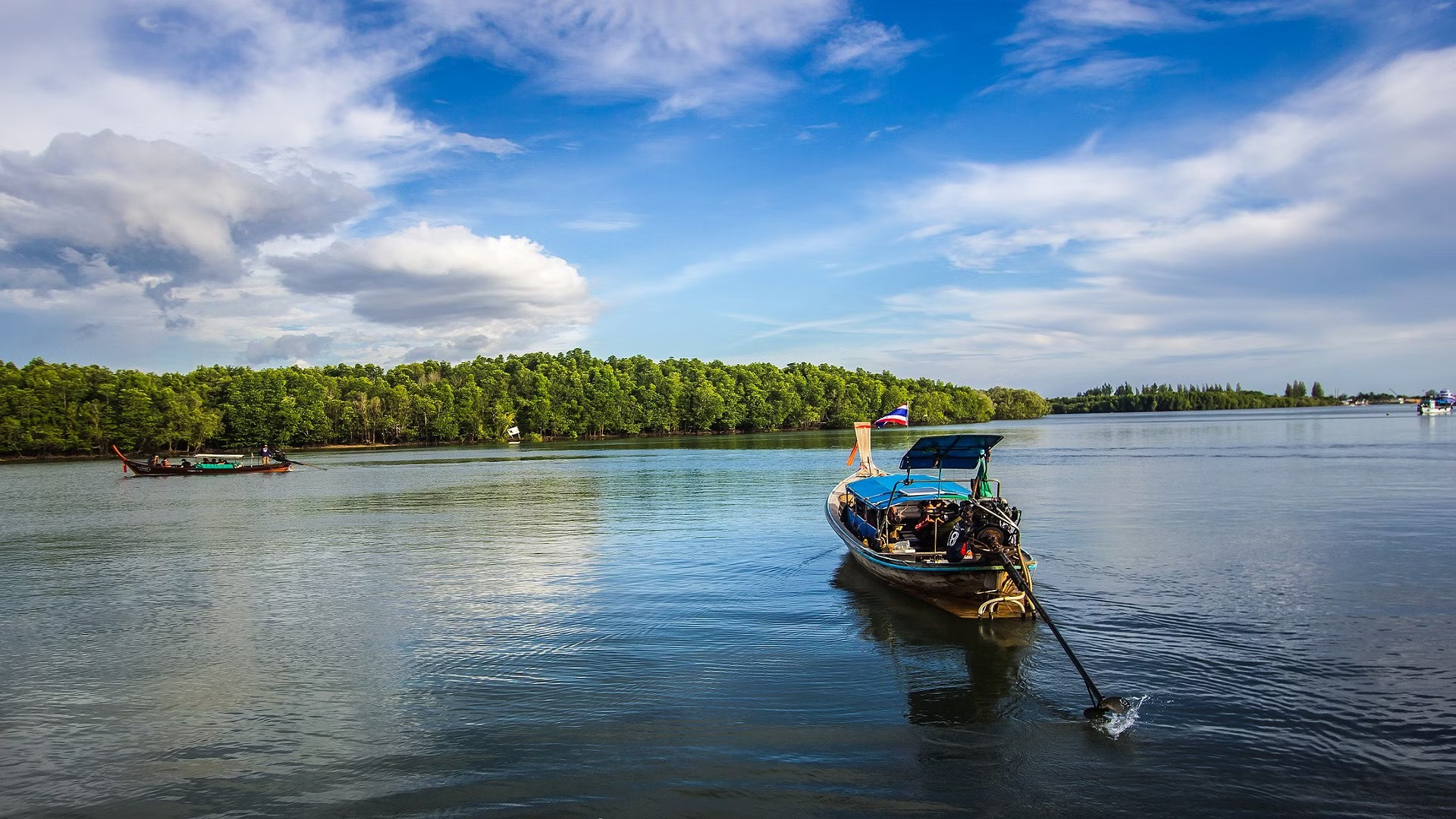
Geographically situated between South Andaman and the northern tier of the island chain, Baratang Island serves as a critical bridge within the territory. Reaching the island from the capital of Sri Vijaya Puram involves a comprehensive day trip that combines overland transit with maritime navigation. The island's interior is characterized by thick rainforest canopies, extensive mangrove networks bordering tidal creeks, and unique geological assets, most notably the subterranean limestone caves carved out over millennia. Because these natural features are embedded within protected ecosystems, visiting Baratang requires significantly more logistical coordination than a conventional beach outing. Travellers must navigate regulated transport routes, adhere to strict timing protocols managed by local authorities, and accept that natural environments are subject to daily weather and tidal shifts. Consequently, dedicating a full day to the excursion and checking current access procedures before departure are fundamental steps for a successful visit.
Organizing a trip to Baratang begins well before reaching the departure jetty, starting with an understanding of how overland transit operates across the region. Journeys toward the island typically begin early in the morning from Sri Vijaya Puram, moving northward along the main regional highway. A significant portion of this route passes through designated forest corridors where movement is regulated by local administrative and forestry authorities to protect regional biodiversity and sensitive indigenous reserves. Travellers must avoid assuming they can simply hire a vehicle at any hour and proceed independently without coordination. Depending on current administrative protocols, transport vehicles often operate within structured schedules or access windows, making pre-arranged transport through a reliable local provider the most efficient approach. Keeping identification documents easily accessible, allowing a generous buffer for unexpected road or ferry delays, and maintaining a patient mindset throughout the transit ensures the journey remains calm and controlled from start to finish.
A vital aspect of travelling through the territorial corridors leading toward Baratang involves passing through regions adjacent to protected indigenous zones, specifically associated with the Jarawa Tribal Reserve. The administration enforces strict legal frameworks to protect the privacy, health, and cultural autonomy of the Jarawa community. It is imperative that all travellers understand and obey these regulations without exception. Under no circumstances should visitors attempt to photograph, film, or video-record members of the indigenous community. Attempting to communicate, wave, approach, or offer food, money, or gifts of any kind is strictly prohibited by law. Vehicles must never slow down, stop, or park along the roadway to observe people, and travellers must follow every instruction given by transport drivers, forest officials, and police personnel. Responsible tourism in Andaman requires absolute adherence to these protective measures, ensuring that travellers act as respectful guests in a sensitive region rather than intrusive spectators.
Once travellers complete the overland portion of the trip and reach the designated departure point, the journey transitions from road to water, initiating one of the most visually engaging parts of the excursion. Reaching the limestone caves requires navigating a network of winding tidal waterways flanked by dense mangrove forests. These saltwater-tolerant trees form a dense green wall along the banks, their intricate root systems plunging into the dark water to create a vital nursery habitat for numerous marine species. Boarding an authorized local passenger boat, visitors embark on a serene cruise through the winding creeks. The atmosphere shifts instantly as the boat glides between the mangrove roots, offering an intimate perspective on a thriving coastal wetland. Passengers must remain seated while the boat is in motion, keep their hands and personal items safely inside the vessel, and follow all safety instructions issued by the boat operator to ensure a secure and peaceful voyage through the creek.
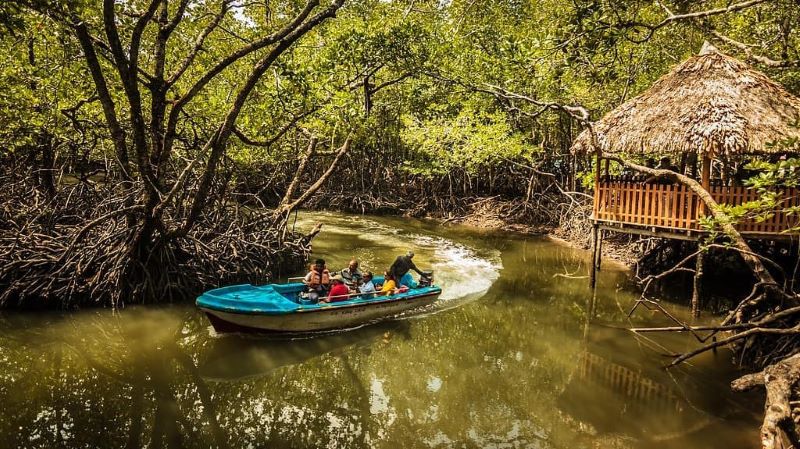
Navigating narrow tidal creeks requires consistent attention to maritime safety. While the water within the mangrove channels often appears calm compared to the open sea, changing tides and passing watercraft can create minor wakes or surface movement. Passengers should listen carefully to the boat operator's safety briefings, wear any required life-saving equipment provided by the operator, and avoid leaning dangerously over the sides of the boat to capture photographs. Keeping children closely supervised, ensuring bags and electronics are secure against accidental splashes, and remaining calm if a sudden tropical rain shower passes overhead are all part of maintaining a comfortable journey. Visitors should never request risky maneuvers or high-speed turns from the boat operator purely for photographic angles; safety and respect for the natural environment must always take precedence over capturing a dramatic image.
After completing the scenic boat ride through the mangrove creeks, the journey transitions once more, requiring travellers to disembark at a designated rustic jetty and continue on foot. Reaching the actual limestone cave entrances involves a short walk along natural forest trails and elevated pathways. The terrain across this walking route can be uneven, featuring exposed roots, damp soil, and natural rock steps that may become slippery during or immediately after rain showers. Consequently, wearing sturdy walking shoes with reliable grip is far more practical than wearing casual sandals or flip-flops. Staying strictly on the designated pathways, following the lead of authorized guides or local authorities, and pacing your walk to accommodate the tropical humidity ensures that the short trek remains comfortable and safe for all participants.

Entering the Baratang Limestone Caves offers an encounter with ancient geological processes, revealing intricate stalactites, stalagmites, and rock pillars sculpted by water over countless centuries. Because these are natural, uncommercialized cave environments rather than artificially illuminated tourist attractions, visitors must adjust their expectations and behavior accordingly. Inside the cave chambers, lighting may be low, surfaces can be damp and uneven, and passages may narrow in places. Visitors should move carefully, watch their footing, stay close to their guides, and avoid touching or leaning against the delicate rock formations, as human oils and physical pressure can permanently damage ancient mineral structures. Collecting rocks, stalactite fragments, or natural souvenirs is strictly prohibited. By treating the caves as a fragile natural museum, travellers help preserve their geological integrity for the future.
Capturing photographs of the mangrove creeks and limestone caves requires balancing technical adjustments with environmental respect. During the boat ride through the creeks, a fast shutter speed helps freeze the motion of the boat against the static mangrove roots, while a waterproof pouch protects your smartphone or camera from accidental water spray. Inside the subterranean caves, low-light conditions present a distinct challenge; using a tripod where permitted or steadying your camera carefully can help produce sharp images without relying on harsh, disruptive flash photography. Photographers should never compromise their physical safety by climbing onto unstable rock formations or stepping off designated pathways for a unique angle. Respecting fellow visitors and maintaining a quiet, mindful presence inside the cave environment ensures that everyone can appreciate the natural acoustics and subterranean atmosphere undisturbed.
Timing an excursion to Baratang involves aligning your travel dates with seasonal weather patterns. Official tourism guidance generally highlights the months from October through May as the most favourable travel window across the Andaman Islands, offering more stable weather conditions and manageable sea states for boat excursions. Within this period, the drier months provide comfortable conditions for overland driving and forest walking. Conversely, the monsoon season brings heavy rainfall, elevated humidity, and frequent downpours that can make forest trails muddy, cave pathways slippery, and mangrove boat operations subject to weather-related suspensions. Travellers planning a Baratang day trip should check current weather forecasts and official administrative updates immediately prior to departure to ensure that forest corridors and boat services are operating under normal conditions.
Preparing a functional day bag for a Baratang excursion ensures you remain comfortable throughout an active day of travel. Pack lightweight, breathable clothing suitable for high humidity, alongside sturdy walking shoes designed for uneven terrain. Because tropical weather can shift rapidly, including a compact rain jacket or umbrella is a wise precaution. Bring broad-spectrum sunscreen, sunglasses, and a reusable water bottle to stay hydrated during the walking portions of the trip. Essential personal medications, a small first-aid kit, insect repellent, and a reliable waterproof dry bag for your electronics and government-issued photo identification complete the practical packing list. Keeping your day bag compact and well-organized helps streamline your movements across vehicles, boats, and walking trails.
Evaluating whether the Baratang excursion suits your entire family requires a realistic assessment of the day's physical demands. The trip involves an extended early-morning road journey, a boat transfer, a forest walk, and exploration of uneven cave terrain, all conducted within high tropical humidity. While older children and adaptable teenagers often find the boat ride and cave exploration fascinating, families travelling with very young toddlers or senior citizens with limited mobility should weigh the physical exertion carefully. There are long stretches of sitting in vehicles, stepping in and out of boats, and walking across natural ground without modern accessibility infrastructure. Consulting family members about their comfort levels and ensuring adequate rest breaks are built into the wider holiday schedule helps prevent fatigue from overshadowing the experience.
The fragile ecological balance of Baratang's forests, creeks, and caves relies heavily on the conscientious behavior of every visitor. Practicing responsible tourism in this region means adhering strictly to zero-impact principles: never litter, avoid carrying single-use plastics into protected zones, and ensure all waste is packed out. Visitors must refrain from feeding wildlife, disturbing mangrove vegetation, or leaving any mark inside the limestone caves. Staying strictly on authorized routes ensures that fragile undergrowth is not trampled. By treating the natural landscape with deep respect, travellers contribute directly to the preservation of Baratang's unique ecosystems, ensuring these remarkable natural assets remain protected for future generations of explorers.
Travellers occasionally encounter predictable planning errors when organizing their Baratang excursion. A frequent mistake is assuming that Baratang can be visited on a spontaneous, uncoordinated day without checking current administrative rules or transport availability. Another common pitfall is underestimating the total travel time required for the round trip from Sri Vijaya Puram, leading to rushed schedules and unnecessary stress. Visitors also frequently wear inappropriate footwear for the cave walk, forget to pack rain protection, or attempt to photograph restricted tribal areas along the highway. Avoiding these missteps through thorough pre-trip research and relying on authorized transport providers guarantees a relaxed, safe, and fully compliant travel experience.
Coordinating overland transport permits, forest corridor access, mangrove boat bookings, and resort accommodations across a multi-region Andaman itinerary becomes effortless when managed through experienced local specialists. Partnering with a dedicated travel planning partner like Andaman Bliss helps ensure your preparations are executed efficiently from start to finish. Whether you are looking to arrange comprehensive Andaman tour packages, family getaways through verified Andaman family packages, or guidance on selecting specialized Andaman activities that incorporate remote wilderness excursions like Baratang, our team ensures your journey runs smoothly. To explore broader regional planning insights, you can review our detailed destination guides via the best places to visit in Andaman and let Andaman Bliss help you design your ideal island getaway.
Visiting the Baratang Limestone Caves and navigating their surrounding mangrove creeks offers an enriching departure from the standard beach-resort itinerary, revealing the rugged, multifaceted wilderness that exists beyond the southern island circuit. By approaching the excursion as a carefully planned nature expedition rather than a casual sightseeing stop, travellers unlock a deeply rewarding glimpse into North Andaman's geological and ecological heritage. Securing reliable transport, respecting the privacy and legal protections of indigenous communities, following maritime safety instructions during the creek boat ride, and moving mindfully through the ancient limestone caverns ensures a journey that is both secure and environmentally responsible. Approach your Baratang adventure with thorough preparation, deep respect for local regulations, and an appreciation for the natural world, and you will carry home memories of a truly distinct Andaman experience.
Planning a Dussehra or Diwali family holiday? Explore this 6-day Andaman itinerary covering beaches, island hopping, family activities, sightseeing, and practical travel tips.
Looking beyond the usual tourist spots? Explore Andaman's best offbeat destinations, hidden beaches, and scenic natural escapes.
Discover night kayaking in Port Blair with practical information on bioluminescence, mangrove routes, safety rules, best season, equipment, and what to expect after sunset.

