


Diwali & Dussehra Vacation in Andaman: Ideal 6-Day Family Tour Plan
Planning a Dussehra or Diwali family holiday? Explore this 6-day Andaman itinerary covering beaches, island hopping, family activities, sightseeing, and practical travel tips.
Learn everything about Jolly Buoy Island permits, boat schedules, seasonal openings, and coral visibility before planning your Andaman trip.

When travellers first begin planning an itinerary across the Andaman and Nicobar Islands, destinations like Havelock and Neil Island often capture most of the attention. However, those seeking a deeper encounter with the region's marine ecosystems frequently set their sights on Jolly Buoy Island. Situated within the protected marine boundaries of the Mahatma Gandhi Marine National Park near Wandoor, Jolly Buoy is celebrated for its clear tropical waters, vibrant coral formations, and diverse marine life. Yet, unlike conventional resort beaches where visitors can simply arrive whenever they choose, visiting Jolly Buoy requires a structured, highly regulated planning approach. The island's appeal is directly tied to its protected status, meaning access is strictly controlled to preserve its fragile coral ecosystem. Understanding how to navigate the mandatory permit process, coordinate your departure from Wandoor, align with operating seasons, and manage expectations around coral visibility is essential for ensuring a smooth and successful excursion.

To appreciate why visiting Jolly Buoy involves administrative steps not found at ordinary beaches, travellers must first understand its ecological setting. The island is an uninhabited marine reserve protected under national park management to safeguard shallow-water coral reefs, mangrove ecosystems, and marine biodiversity. Because coral reefs are exceptionally sensitive to environmental disruption, anchor damage, and excessive tourist footfall, authorities implement strict visitor quotas and operational controls. Jolly Buoy should therefore be approached not as a commercial recreation spot, but as a protected marine sanctuary. Access is granted only through authorized boating channels, and visitors are expected to follow strict environmental regulations that prohibit single-use plastics, littering, and any interaction with marine life. Recognizing this protected status helps travellers respect the administrative rules that govern every trip to the island.
The single most important administrative requirement for anyone planning a trip to Jolly Buoy is obtaining an official Entry Permit. According to current tourism and forestry guidelines, an Entry Permit is mandatory for all visitors entering the marine park area. Official administrative procedures state that permits for Jolly Buoy and Red Skin trips are issued through the Forest Department authorities at Wandoor or Sri Vijaya Puram (commonly known as Port Blair), with permits typically arranged one day in advance of the planned visit. The practical planning sequence requires travellers to arrive in the capital, coordinate their connection to Wandoor, secure the necessary entry permission according to current official protocols, confirm their authorized boat arrangement, and travel to the island on the designated schedule. Because daily visitor quotas are enforced to protect the marine environment, permits can sell out quickly during busy travel periods. Travellers must verify permit availability, required documentation, issuing hours, and current operating dates directly with official authorities or trusted local planners before finalising their travel dates.
Navigating permit issuance and park entry requires presenting valid official identification for every member of your travelling party. For Indian nationals, current tourism guidelines specify that carrying a government-issued photo identification—such as a valid Aadhaar card, voter identification, driver's licence, or passport—is mandatory for travel, hotel check-ins, and park entry formalities. For international visitors, regulations require carrying a valid passport accompanied by a valid Indian visa or e-Visa and relevant identification paperwork. It is important to distinguish between general travel identification and specific marine park entry permissions; holding a passport or photo ID does not automatically grant access to Jolly Buoy unless the formal entry permit has been successfully secured in advance through the designated Forest Department channels.
Because Jolly Buoy is an uninhabited island within a marine national park, it cannot be reached by road; access is exclusively maritime. Official tourism information identifies the Wandoor Jetty, situated within the Mahatma Gandhi Marine National Park area, as the primary departure point for authorized boat services to the island. The journey begins by travelling via road from Sri Vijaya Puram down to the coastal settlement of Wandoor, a drive that allows you to transition away from urban environments toward the quiet western coast. Upon reaching the Wandoor complex and completing your final permit and ticketing formalities, passengers board authorized park boats for the journey across the protected marine park waters. While the boat crossing typically takes roughly thirty to forty-five minutes depending on sea conditions, travellers should treat this travel duration as approximate, remaining flexible as maritime authorities adjust departure schedules in response to daily weather and park management requirements.

Managing your daily schedule around a Jolly Buoy excursion requires abandoning the flexibility associated with public beaches. Operating hours and timings are governed strictly by park management directives rather than commercial convenience. The daily operating window typically centres around morning departures from Wandoor, allowing visitors to travel to the island, experience the marine viewing opportunities, and return to the mainland before afternoon weather or tidal shifts alter sea conditions. Because administrative timings, boat departure windows, and island visiting durations can change based on seasonal management decisions, travellers must avoid relying on rigid schedules found in older travel guides. Confirming the exact operating schedule with official authorities or your travel coordinator immediately before your visit ensures your day proceeds without logistical surprises.
One of the most vital logistical realities of planning a Jolly Buoy trip is understanding that the island is not accessible throughout the entire calendar year. Access is seasonal and regulated by park authorities to balance tourism with ecological recovery and monsoon safety. While the broader Andaman tourism season runs from October through May, individual marine parks may rotate access between different islands—such as alternating between Jolly Buoy and Red Skin—to minimize environmental stress on the coral reefs. During the monsoon months, from June through September, heavy rainfall, rough seas, and administrative closures typically halt regular passenger boat services to the island entirely. Travellers must check whether Jolly Buoy is officially open and accepting visitors during their specific travel window rather than assuming year-round accessibility.
For many visitors, the primary motivation for visiting Jolly Buoy is the opportunity to observe marine ecosystems up close. However, underwater visibility depends heavily on natural environmental factors rather than a fixed calendar date. Water clarity is influenced by sunlight intensity, surface wind speeds, rainfall runoff, tidal movement, and wave action that stirs up fine sand and sediment. Official tourism guidance indicates that the period between January and March is frequently associated with calmer sea states and optimal underwater visibility across many Andaman marine sites. While these months offer statistically favorable conditions, visibility can still shift from day to day. A sudden windy morning or an unexpected rain shower can temporarily cloud the water even during an otherwise pristine season. Approaching marine observation with flexible expectations ensures you appreciate the natural environment regardless of daily water clarity.
Setting realistic expectations regarding what you will see beneath the surface ensures a deeply rewarding experience. When water conditions are calm and bright sunlight penetrates the shallow tropical sea, visitors can observe intricate hard and soft coral formations, reef structures, and darting reef fish through clear viewing panels or authorized shallow water zones. However, the visual experience is not an artificially lit aquarium; underwater colors depend entirely on natural sunlight and water depth. On overcast days or when wave action introduces suspended sediment, the visibility softens, altering the appearance of the reef. Understanding that nature-based marine experiences are inherently dynamic helps visitors appreciate the authentic, living character of the coral ecosystem without expecting Hollywood-style underwater cinematography.

For visitors who want to experience the marine park without necessarily entering the water, the glass-bottom boat ride serves as the hallmark activity of a Jolly Buoy excursion. Official tourism documentation highlights glass-bottom boat experiences as a primary feature of visits to the island, allowing travellers of all ages to observe coral reefs and marine life directly through specialized viewing panels embedded in the hulls of authorized vessels. This makes marine observation accessible to non-swimmers, young children, and older adults. To make the most of the experience, visitors should listen carefully to the boat crew's instructions, find a comfortable viewing position around the glass panels, and remain patient as the boat drifts slowly over shallow reef patches, allowing sunlight to illuminate the aquatic life below.
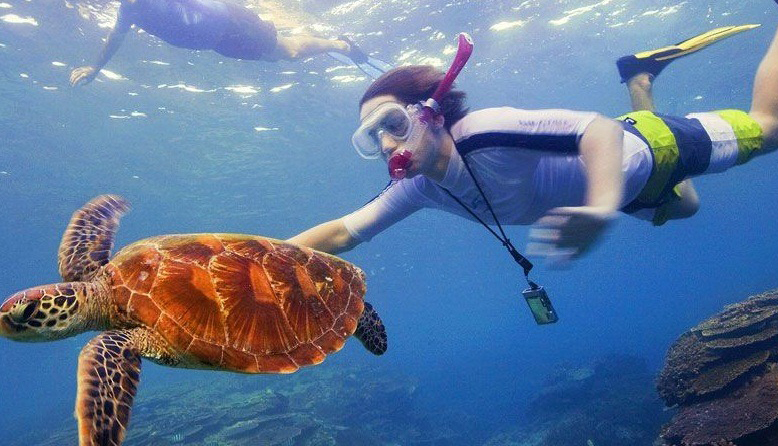
While glass-bottom boating forms the universal core of a Jolly Buoy visit, the availability of secondary water activities such as snorkelling can vary according to current park management rules, designated activity zones, and seasonal safety regulations. Visitors must never assume that free swimming or unguided snorkelling is permitted everywhere on the island. Authority guidelines dictate where visitors may step foot, which coastal zones are open for swimming, and whether certified guides must accompany in-water activities. Checking the current authorized activity list on the day of your visit and following the explicit instructions of park rangers and boat crews ensures your day remains compliant with all conservation and safety mandates.
Even after successfully securing your entry permit and arriving at the Wandoor jetty, the final execution of your trip remains subject to real-time weather and sea conditions. The open-water crossing between Wandoor and Jolly Buoy requires calm, stable marine conditions to ensure passenger safety. If sudden high winds, rough swells, or marine warnings develop, park authorities will pause boat operations without hesitation. Having a permit does not constitute a weather guarantee; it simply grants administrative permission to travel when conditions permit. Maintaining flexibility in your broader Andaman holiday itinerary ensures that a weather-related postponement of a Jolly Buoy trip does not disrupt your onward travel plans.
Preserving the fragile ecosystem that makes Jolly Buoy worth visiting requires strict adherence to environmental regulations enforced by the Forest Department. Official tourism guidelines state unequivocally that single-use plastics are prohibited within the marine park, and visitors are strictly forbidden from collecting coral fragments, seashells, or any marine organisms. Furthermore, touching living coral reefs, standing upon reef structures, feeding fish, or leaving any form of waste behind is treated as a serious environmental violation. Visitors are required to follow all instructions issued by park officials and tour guides. Respecting these rules is not merely an administrative obligation; it is a direct contribution to preserving the underwater clarity and ecological health of the destination for future travellers.
Preparing a functional, lightweight day bag for your excursion to Jolly Buoy ensures you stay comfortable throughout the trip. Keep your essential documents—including your government photo ID and printed entry permits—securely organized in an accessible travel folder. Pack broad-spectrum sun protection, a wide-brimmed hat, and polarized sunglasses to combat intense solar reflection off the water. Dress in comfortable, breathable clothing suitable for tropical weather, and consider carrying a waterproof pouch or dry bag to protect your smartphone and cash from sea spray. Because waste management on the island is tightly controlled, bring a reusable water bottle where permitted, ensuring you carry out everything you bring in.
Because a visit to Jolly Buoy involves travelling down to Wandoor, completing park formalities, taking a boat across the marine park, spending time on the island, and returning to the capital, the excursion occupies a significant portion of the day. Travellers should avoid treating Jolly Buoy as a quick morning stop that can be squeezed in before an afternoon ferry or an evening flight. Protect your itinerary by keeping the remainder of your excursion day relaxed, allowing ample buffer time around your transport to Wandoor and back, ensuring a calm, stress-free holiday experience.
Coordinating marine park permits, transport to Wandoor, and resort accommodations across your broader island itinerary becomes effortless when supported by experienced local professionals. Partnering with a dedicated travel planning brand like Andaman Bliss helps ensure your preparations run efficiently from start to finish. Whether you are looking to arrange comprehensive Andaman tour packages, family getaways through verified Andaman family tour packages, or guidance on selecting age-appropriate Andaman activities, our team ensures your journey runs smoothly. To explore broader regional planning insights, you can review our detailed destination insights via the best places to visit in Andaman and let Andaman Bliss help you design your ideal island getaway.
Ultimately, visiting Jolly Buoy Island stands out as one of the most rewarding marine excursions in the Andaman archipelago, provided it is approached with careful planning and realistic expectations. The secret to a successful trip lies in securing your mandatory entry permit well in advance through official Forest Department channels, confirming current operating schedules, planning your transit via Wandoor thoughtfully, and respecting the environmental rules that protect the island's coral reefs. Approach your excursion with patience, flexibility, and a commitment to responsible tourism, and you will experience a preserved marine sanctuary that showcases the natural beauty of the Andaman Sea at its absolute best.
Planning a Dussehra or Diwali family holiday? Explore this 6-day Andaman itinerary covering beaches, island hopping, family activities, sightseeing, and practical travel tips.
Looking beyond the usual tourist spots? Explore Andaman's best offbeat destinations, hidden beaches, and scenic natural escapes.
Discover night kayaking in Port Blair with practical information on bioluminescence, mangrove routes, safety rules, best season, equipment, and what to expect after sunset.

