


Diwali & Dussehra Vacation in Andaman: Ideal 6-Day Family Tour Plan
Planning a Dussehra or Diwali family holiday? Explore this 6-day Andaman itinerary covering beaches, island hopping, family activities, sightseeing, and practical travel tips.
Discover the best places to visit in Diglipur, including Saddle Peak, limestone caves, and Ross & Smith Islands, with practical travel tips.

When most travellers envision an itinerary through the Andaman and Nicobar Islands, their focus naturally settles upon the central southern corridor. The vibrant marine activity of Swaraj Dweep, the relaxed pastoral rhythm of Shaheed Dweep, and the historical urban core of Sri Vijaya Puram form the familiar and well-trodden circuit of the archipelago. Yet, venturing far toward the northern extremity of the territory reveals an entirely different landscape. North Andaman introduces visitors to a quieter, more rugged environment defined by dense evergreen forests, limestone geological formations, challenging hiking trails, and sweeping coastal stretches that remain refreshingly free from commercial crowding. At the heart of this region lies Diglipur, the largest settlement in North Andaman and the essential base for exploring the wilder, more remote corners of the islands. For travellers willing to look beyond the standard resort holiday, a journey north rewards curiosity with an experience focused on nature, topography, and outdoor exploration.
Diglipur serves as a gateway to landscapes that contrast sharply with the coral-fringed lagoons of the south. The region's appeal rests heavily upon two distinct pillars: its subterranean natural formations, highlighted by the intricate cave networks hidden within the forest, and its elevated terrain, dominated by the highest peak in the island chain. Balancing these terrestrial adventures are coastal fringes where volcanic-tinted sands, nesting marine turtles, and shifting sandbar islands create a multifaceted destination. Planning a journey to North Andaman, however, requires a shift in mindset. Because the region is geographically isolated and demands significant overland travel from the capital, it appeals most strongly to road-trip enthusiasts, hikers, and nature lovers who value solitude and raw geography over polished resort infrastructure.
Geographically situated in the northern tier of the archipelago, Diglipur functions as the commercial and administrative anchor for North Andaman. Reaching the settlement involves an overland journey northward from Sri Vijaya Puram. Unlike the short inter-island catamarans that shuttle visitors between the southern hubs, the route to Diglipur cuts through the heart of the island chain, traversing forest reserves, elevated roadway sections, and creek crossings. This journey requires careful logistical planning regarding transport availability, daily schedules, and prevailing weather conditions.
Visiting Diglipur should not be treated as a spontaneous day trip; it demands a dedicated block of days within an itinerary to absorb the travel time and fully appreciate the surrounding terrain. The destination suits travellers who enjoy unhurried exploration, possess a reasonable level of physical stamina for outdoor activities, and appreciate destinations that prioritize raw natural character over upscale commercial development. Weather patterns in the north also play a crucial role, as heavy seasonal rainfall can occasionally impact road conditions and forest trail accessibility. Consequently, checking the latest official advisories from the Andaman & Nicobar Administration before departure is an essential step for any responsible itinerary design.
The region surrounding Diglipur is characterized by geographical diversity, offering a balanced mix of terrestrial heights, subterranean formations, and marine environments. Rather than presenting a uniform beach destination, North Andaman encourages travellers to venture inland into the forest reserves as well as outward toward its outlying islets. Each geographical feature contributes a unique layer to the regional experience, ensuring that days spent in the north vary widely in texture and activity.

Among the most distinct natural attractions near Diglipur is the Alfred Caves complex, situated within the dense forest reserves of the interior. These limestone cave formations offer an expedition into a subterranean world shaped by millions of years of water erosion. Reaching the cave entrances typically involves navigating through thick forest trails, making the journey as much about the surrounding flora and fauna as the destination itself. Inside the network, narrow chambers and vertical shafts reveal complex geological textures that contrast with the tropical greenery outside.
Visiting the Alfred Caves requires careful preparation and physical caution. The terrain around the cave mouths and interior pathways can be uneven, slippery, and shadowed, necessitating sturdy footwear and reliable portable lighting. Because these formations are located within sensitive forest ecosystems, travellers are advised to engage local guides authorized by the Forest Department to navigate the trails safely and responsibly. Exploring the caves also underscores the importance of environmental preservation; visitors must take care not to touch fragile rock formations, disturb roosting wildlife such as swiftlets and bats, or leave any trace of human waste behind within the subterranean passages.

Rising sharply above the surrounding forest canopy, Saddle Peak stands as the highest elevation in the Andaman and Nicobar Islands, reaching an altitude of over seven hundred metres. Located within the boundaries of Saddle Peak National Park, the mountain is a prime destination for hikers, trekkers, and landscape photographers. Ascending the peak involves navigating a forested trail system that winds through dense tropical rainforests, across running streams, and up elevated ridgelines.
Trekking up Saddle Peak is a demanding physical endeavor that requires adequate preparation, high stamina, and a careful assessment of personal fitness levels. The tropical humidity, combined with steep inclines and occasional slippery footing, means that climbers should start their ascent during the early morning hours to manage midday heat effectively. Carrying sufficient drinking water, wearing moisture-wicking clothing, and utilizing reliable trekking footwear are fundamental prerequisites. Moreover, hikers must strictly adhere to current Forest Department regulations regarding entry permits, authorized trails, and timing restrictions. Staying on designated pathways protects the surrounding biodiversity, which includes endemic flora and avian species unique to the island ecosystem, ensuring that Saddle Peak remains a pristine wilderness area.
While the interior of North Andaman is dominated by caves and peaks, the regional coastline offers striking maritime vistas that complement the rugged terrain of the interior. The beaches around Diglipur possess a distinct visual identity, shaped by volcanic sands, rocky promontories, and open ocean horizons.
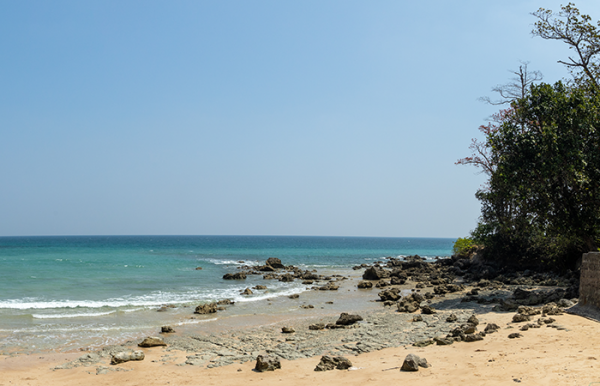
Kalipur Beach, situated near the foot of Saddle Peak, is renowned for its dark volcanic-tinted sands and its ecological significance as a nesting ground for marine turtles. The juxtaposition of a towering mountain backdrop directly behind a coastal shoreline creates a dramatic visual setting, particularly during early morning light. While swimming conditions at Kalipur can vary depending on seasonal currents and local wave action, the beach remains a favoured spot for quiet coastal walks and observing the natural meeting point of forest and sea. Further along the coast, Ram Nagar Beach offers a peaceful environment characterized by shallow waters and a relaxed atmosphere, making it a suitable location for travellers seeking uncrowded shorelines and reflective moments by the water.
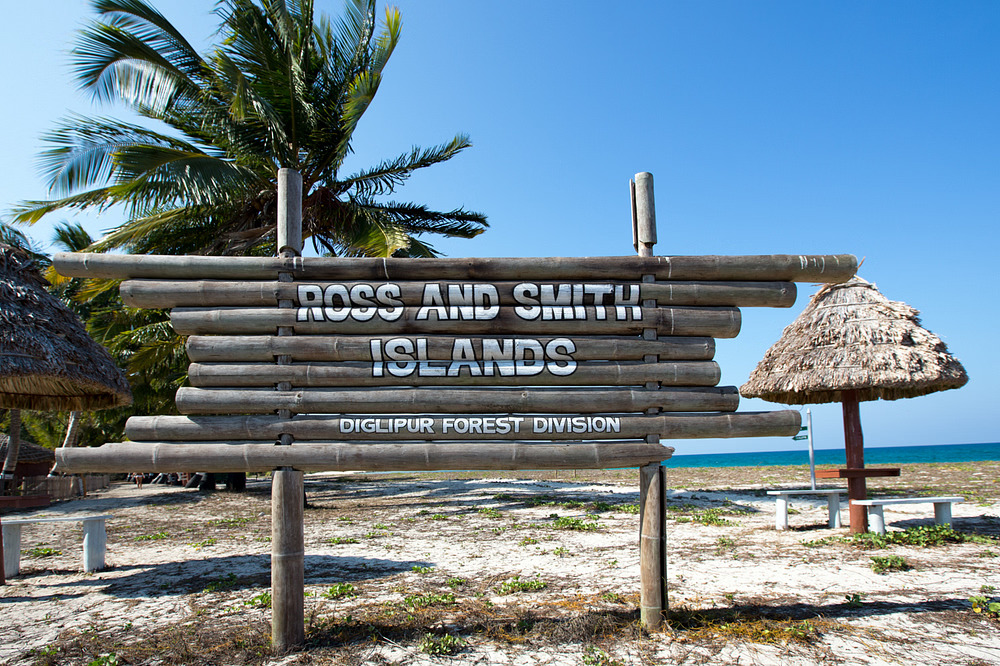
Lying off the coast of North Andaman, Ross and Smith Islands represent one of the most remarkable geographical features in the region. The two separate islands are joined together by a slender, natural sandbar that emerges explicitly during low tide, creating a walk-on bridge of white sand flanked by translucent turquoise water on both sides. Access to the islands typically involves taking an authorized local boat from a designated coastal departure point near Diglipur, subject to maritime permissions and sea conditions.
The experience of walking across the shifting sandbar while the tide laps gently against your ankles offers a memorable coastal excursion. However, visitors must remain mindful of tidal movements, as the connecting sandbar submerges completely during high tide, temporarily separating the two landmasses once again. Respecting local boat operators' advice, adhering to park regulations, and practicing responsible beach behaviour—such as carrying back all refuse—helps preserve the delicate coastal ecology of Ross and Smith Islands for the future.
Determining the ideal period for a North Andaman journey requires aligning your travel dates with regional weather patterns and outdoor activity requirements. Official tourism guidance generally identifies the months from October through May as the most favourable tourism window across the archipelago, offering the most stable climatic conditions for travel. Within this broader timeframe, the months from November through March are particularly popular due to pleasant daytime temperatures, lower humidity, and calmer sea states that facilitate boat excursions to outlying islets like Ross and Smith Islands.
Conversely, the monsoon season, which extends from June through September, brings heavy rainfall, strong coastal winds, and high humidity. While the monsoon transforms the North Andaman rainforests into a vibrant, lush landscape, it also introduces significant operational challenges, including potential road disruptions, slippery hiking trails, and the temporary suspension of boat services. Travellers planning a trip focused on cave exploration and mountain trekking will find the drier months of the post-monsoon and winter periods far more accommodating, though maintaining schedule flexibility remains wise regardless of the chosen month.
Incorporating Diglipur into a comprehensive Andaman holiday requires a deliberate allocation of time. Because the journey from Sri Vijaya Puram involves a substantial overland transit, treating Diglipur as a quick overnight stop is rarely practical. A well-proportioned itinerary allows for at least three to four days dedicated exclusively to the northern region, ensuring sufficient time to travel north, undertake the Saddle Peak trek, explore the Alfred Caves, visit the coastal beaches, and take a day excursion to Ross and Smith Islands without feeling constantly rushed. For travellers undertaking an extended island holiday, combining North Andaman with stays in Sri Vijaya Puram, Swaraj Dweep, and Shaheed Dweep provides a complete spectrum of what the territory offers, pairing the relaxed beach culture of the south with the rugged wilderness of the north.
Exploring a less commercialized destination like Diglipur calls for a high degree of self-reliance and environmental mindfulness. Accommodation options in North Andaman are generally more modest and utilitarian compared to the luxury beach resorts found further south, making advance booking essential during peak travel periods. Dining choices are similarly straightforward, emphasizing local preparations and simple eateries, so travellers with specific dietary preferences or children should plan their meals accordingly.
Furthermore, the ecological sensitivity of North Andaman's forests, caves, and marine habitats places a firm responsibility on every visitor to practice zero-impact tourism. Refraining from single-use plastics, never collecting shells, rocks, or coral fragments as souvenirs, staying strictly on authorized hiking trails, and respecting local wildlife are fundamental rules of engagement. By combining thorough logistical preparation with a deep respect for the natural environment, travellers can experience the authentic, unspoiled wilderness of North Andaman safely and sustainably, adding a profound chapter to their Andaman holiday.
Arranging a seamless, multi-region itinerary that spans the urban gateway of the south all the way up to the rugged peaks and caves of North Andaman requires careful coordination of road transport, accommodation, and local permits. Partnering with a dedicated travel planning specialist like Andaman Bliss helps ensure your entire journey is executed smoothly from arrival to departure. Whether you are looking to arrange comprehensive Andaman tour packages, family getaways through verified Andaman family packages, or guidance on selecting specialized Andaman activities, our team ensures your logistics run effortlessly. To explore broader regional planning insights, you can review our detailed destination guides via the best places to visit in Andaman and let Andaman Bliss help you design your ideal island getaway.
Planning a Dussehra or Diwali family holiday? Explore this 6-day Andaman itinerary covering beaches, island hopping, family activities, sightseeing, and practical travel tips.
Looking beyond the usual tourist spots? Explore Andaman's best offbeat destinations, hidden beaches, and scenic natural escapes.
Discover night kayaking in Port Blair with practical information on bioluminescence, mangrove routes, safety rules, best season, equipment, and what to expect after sunset.

