


Diwali & Dussehra Vacation in Andaman: Ideal 6-Day Family Tour Plan
Planning a Dussehra or Diwali family holiday? Explore this 6-day Andaman itinerary covering beaches, island hopping, family activities, sightseeing, and practical travel tips.
Experience the thrill of deep sea game fishing in Andaman and test your skills against some of the ocean's most sought-after sport fish.

Stepping offshore into the turquoise expanse of the Andaman Sea with a fishing rod in hand offers an entirely different perspective of the islands. While most visitors focus on sun-bleached shores, coral snorkelling, and historical sightseeing, the deeper waters surrounding the archipelago support a thriving marine ecosystem that has quietly drawn sport-fishing enthusiasts from around the world. Heading away from the coastline, watching the sandy shores recede, and waiting for the first strike on the open ocean creates a unique sense of anticipation. Deep sea game fishing in the Andaman Islands combines open-ocean travel, structured sport angling, marine observation, and the physical challenge of testing your skill against powerful pelagic fish. Official Andaman tourism resources actively promote sport fishing across the territory, highlighting rich fishing grounds and year-round marine opportunities that appeal to both experienced anglers and curious first-time participants. However, heading offshore requires understanding that fishing is a natural pursuit rather than a guaranteed harvest; success depends on weather, sea conditions, seasonal patterns, and marine behaviour.
Deep sea game fishing differs significantly from casual nearshore angling or recreational pond fishing. It involves venturing away from the sheltered shallows and heading out into deeper offshore waters to target strong, fast, and large sport fish that put up an intense, demanding fight on specialized tackle. Trips can involve various techniques—such as trolling along drop-offs, bottom fishing over submerged structures, or casting heavy lures near reef edges—depending on the target species and the instructions of the professional crew. More than just a mechanical hunt, a game-fishing expedition is an immersive day spent on the open ocean, learning local marine knowledge from experienced captains, watching for seabirds and marine life, and experiencing the unpredictable thrill of the strike when a powerful fish takes the line. Whether you are an experienced angler looking for a new tropical challenge or a traveller trying out sport fishing for the first time, the experience offers a distinct way to engage with the natural environment of the islands.
The Andaman Sea has earned its reputation as a premier sport-fishing destination because of its distinct geographic and ecological profile. The islands occupy a strategic position in the Bay of Bengal, surrounded by deep, varied offshore trenches, underwater drop-offs, and extensive fringing reef systems that create rich habitats for tropical marine species. Because the region experiences minimal industrial overfishing compared to heavily populated mainland coasts, the marine food web remains remarkably active and balanced. According to information shared by the Andaman and Nicobar Tourism Department, the territory offers abundant marine life and varied fishing grounds that attract numerous fish species. Furthermore, administration and conservation frameworks managed by the Department of Environment and Forests help protect the broader marine and coastal environment, ensuring that these ecosystems remain productive for both local fisheries and sustainable tourism.
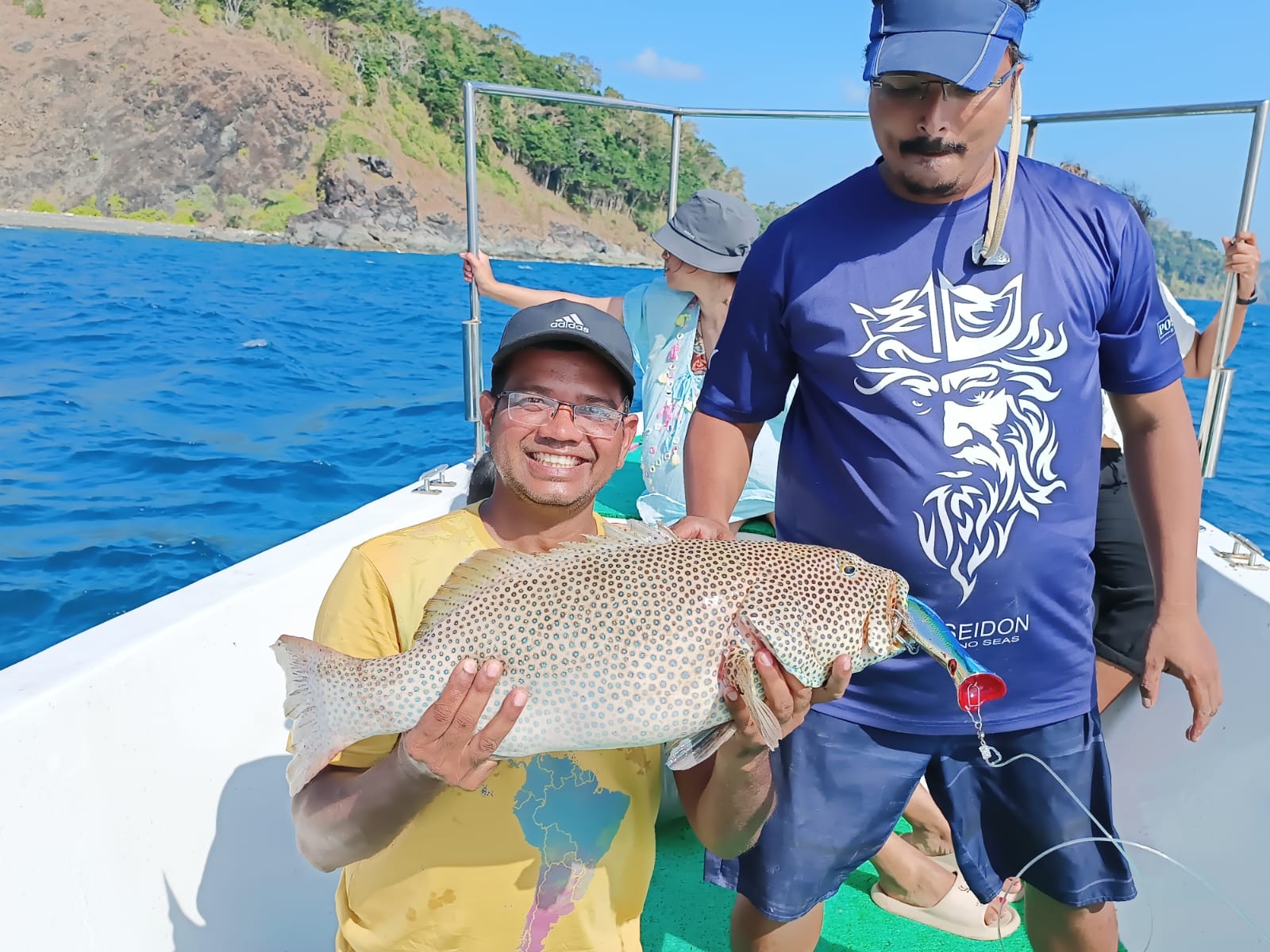
The waters of the Andaman Sea support a remarkable variety of predatory game fish. Official sport-fishing documentation provided by the administration specifically highlights species such as mahi-mahi, wahoo, king mackerel, giant trevally, coral trout, sailfish, dogtooth tuna, marlin, and swordfish. Each species offers a unique challenge, testing an angler's endurance, equipment strength, and technique. While encountering these powerful fish is part of the appeal, every trip is different, and skilled crews always emphasize patience and respect for the marine environment over any promise of a specific catch.
Among the many species that inhabit local reefs, the Giant Trevally holds a legendary status among sport-fishing enthusiasts. Valued for its explosive strike, incredible speed, and immense brute strength, the GT is a premier target for sport anglers visiting tropical waters. These powerful fish patrol reef edges and rocky drop-offs, ambushing smaller prey with aggressive force. Hooking a large Giant Trevally demands heavy-duty tackle, sturdy knots, and physical endurance from the angler, as the fish will immediately dive back toward sharp coral structures to snap the line. Landing a mature GT is an unforgettable test of teamwork between the angler and the boat crew, requiring the captain to manoeuvre the vessel carefully while the angler pumps and winds against the fish's powerful runs.
Moving away from the shallow reefs into the open pelagic zones introduces anglers to fast-swimming open-ocean hunters. Tuna species, including dogtooth tuna and yellowfin varieties, are renowned for their stamina and deep, relentless runs that test both reel drags and angler muscles. Mahi-mahi, easily recognized by their vibrant gold and green coloration and acrobatic surface leaps, offer an exciting fight and a visually stunning encounter on the water. Wahoo, another common offshore resident, is celebrated for its incredible initial burst of speed, slicing through the water with razor-sharp precision. The Department of Fisheries oversees sustainable practices and monitors regional marine resources to ensure these pelagic populations remain healthy.
For anglers seeking the ultimate offshore challenge, the deeper trenches of the Andaman Sea offer encounters with magnificent billfish. Sailfish are prized for their breathtaking aerial displays and blistering speed, while blue and black marlin represent the pinnacle of big-game sport fishing, requiring immense power, specialized heavy tackle, and expert crew coordination to manage safely. Official tourism material includes sailfish, marlin, and swordfish among the notable sport-fishing catches associated with the islands. However, encountering these apex pelagic predators requires favourable offshore conditions, deep-water positioning, and a generous measure of good fortune.
Sport-fishing operations in the Andaman Islands operate out of several designated coastal bases. Current official tourism records list registered game-fishing boats and operators associated with locations including Swaraj Dweep (Havelock Island), Chatham, Haddo, Shaheed Dweep (Neil Island), Wandoor, and Sippighat. Capital-based charters operating from Port Blair and Sri Vijaya Puram provide immediate access to southern channels and open-ocean drop-offs. Additionally, dedicated expeditions frequently target offshore waters around Rutland and Cinque Island, known for productive reef systems and deep blue drop-offs. The choice of departure point generally depends on your hotel location, the specific fishing grounds you wish to explore, and current boat availability. Checking that an operator holds valid, current registrations through the Department of Fisheries is an essential step before confirming any offshore expedition.
A typical deep-sea fishing day follows a well-paced nautical rhythm. Your journey begins early in the morning at the departure jetty, where you meet the captain and crew for a comprehensive safety and trip briefing. Once everyone is on board and gear checks are complete, the boat departs the harbour, cutting through the calm coastal water as it heads toward the offshore fishing grounds. Upon reaching the designated location, the crew sets up the rods, lines, and lures or live bait depending on the chosen technique. As trolling lines trail behind the moving boat or bottom-fishing rigs drop toward the reef, you wait for the line to scream off the reel. Throughout the day, the captain moves between different productive spots based on current sea conditions. At the conclusion of the trip, the boat heads back to shore, returning to the jetty by afternoon.
Depending on what species the captain is targeting and where the boat is positioned, several distinct fishing methods are employed. Trolling involves dragging artificial lures or rigged bait behind a moving boat to attract fast-swimming pelagic predators like mahi-mahi, wahoo, and billfish. Reef fishing and bottom fishing target species holding closer to underwater structures, using weighted lines and bait dropped down to the sea floor. Lure casting and jigging involve aggressively working artificial metal jigs or plugs through the water column to trigger aggressive strikes from predators like the Giant Trevally. Guidelines established by the Andaman and Nicobar Administration govern recreational and commercial marine use to protect local waters.
A successful offshore fishing trip relies heavily on professional-grade gear designed to withstand the immense strain of large marine fish. Reputable charters provide heavy-duty offshore rods, high-capacity reels spooled with strong braided line, durable leaders, professional-grade hooks, and a wide selection of artificial lures. Safety equipment, including life jackets, marine radios, and first-aid kits, is standard on all registered vessels. Guests do not need to bring their own professional gear unless they have specific personal preferences. When booking through established providers such as Andaman Bliss, all necessary fishing tackle and safety equipment are included in the charter.
While official tourism material promotes sport fishing throughout the year, the dry period spanning from October through March is widely regarded by operators as the most reliable season for offshore expeditions. During these months, sea states are generally calmer, wind speeds are lower, and underwater visibility is favourable, allowing boats to reach prime fishing grounds without weather interruptions. However, actual fishing success depends much more on daily marine conditions, tidal movements, and fish feeding patterns than on the calendar month alone.
Offshore angling takes place in a dynamic open-water environment, meaning weather and sea states directly influence every expedition. Wind speed, wave height, rain squalls, tidal currents, and water movement can all affect fish feeding behaviour and boat navigation. Even during a generally favourable season, daily conditions can change rapidly. Reputable operators monitor weather forecasts continuously and will postpone or cancel trips if safety margins are compromised. Good weather does not automatically mean good fishing, and challenging conditions do not necessarily mean there will be no fish; keeping expectations realistic is part of appreciating the sea.
For many participants, the true appeal of a deep-sea fishing trip extends far beyond whether a large fish is successfully landed. Spending hours on the open ocean provides a sense of space and freedom that contrasts sharply with crowded sightseeing tours. Watching the sunrise over the Bay of Bengal, observing flying fish glide across wave crests, learning navigation and marine lore from local crew members, and enjoying the quiet rhythm of the boat create a memorable day on the water. Anglers often value the experience for its camaraderie and connection to nature, regardless of whether the day ends with a trophy catch or an empty box.
A common misconception is that deep-sea fishing is reserved exclusively for seasoned tournament anglers. In reality, professional charters routinely welcome beginners and first-time participants. The experienced crew on board provides step-by-step guidance on how to hold the rod, manage the line, and fight a fish safely without injuring yourself. However, it is important to remember that fighting a powerful game fish can be physically demanding. The crew handles the technical navigation, baiting, and safety management, leaving you free to focus on the thrill of the catch.
Preparing for a full day exposed to the tropical sun and open ocean requires practical packing. Wear lightweight, breathable clothing that protects your skin from ultraviolet rays, along with non-slip deck shoes to maintain steady footing on a moving boat. Bring a wide-brimmed hat, polarized sunglasses to cut through the water glare, broad-spectrum sunscreen, and a motion-sickness remedy if you are prone to seasickness. Staying hydrated is essential, so ensure you bring an adequate supply of drinking water alongside your camera or phone protected in a waterproof pouch.
Offshore fishing involves genuine risks associated with open water, boat movement, weather, waves, fishing hooks, heavy equipment, large fish, slippery decks, and long periods in the sun. To ensure a secure trip, always listen closely to the captain and crew, wear required safety gear, stay securely positioned in designated seating areas while the boat is underway, and follow instructions immediately if sea conditions change. Regulatory oversight by local authorities helps maintain safety standards across registered charter operations.
A vital aspect of modern sport fishing in the Andaman Islands is the strong emphasis on sustainability and conservation. While regulations can vary by species and location, many professional operators encourage a strict catch-and-release policy, particularly for large pelagic sport fish and vulnerable reef species, ensuring the long-term health of the local marine population. Always clarify the operator's catch policy before booking, and respect all regional wildlife and fisheries conservation guidelines. The Department of Fisheries provides official guidance on marine conservation rules.
Selecting a reliable fishing charter requires verifying key operational details. Ensure the operator holds current registered permissions through local authorities, inspect the condition of the boat and safety equipment, inquire about the crew's offshore experience, and clarify what fishing gear and refreshments are included in the package. Checking cancellation policies related to sudden weather shifts is equally important to protect your travel investment. Official tourism portals and regional fisheries boards maintain directories of authorized charter boats.
Integrating a fishing expedition into your broader Andaman holiday requires thoughtful scheduling. If you are basing yourself in Port Blair, you can easily schedule a dedicated offshore fishing day alongside historical tours of the Cellular Jail by exploring options detailed on the Game Fishing in Port Blair page. If you are staying on Havelock Island, you can balance your beach days and scuba diving with a deep-sea fishing charter. Always leave a buffer day in your itinerary, as offshore trips can occasionally be affected by weather.
Planning an offshore fishing excursion is straightforward when coordinated through established travel specialists. Andaman Bliss provides comprehensive travel services covering activities, tour packages, transfers, ferry arrangements, and customised itineraries. For travellers specifically interested in angling, the dedicated Game Fishing in Andaman page offers direct access to curated fishing charters and expert support. By combining a fishing expedition with broader Andaman Tour Packages, you can build a well-rounded holiday that balances land-based sightseeing with open-ocean adventure.
Ultimately, the magic of game fishing in Andaman is not about harvesting fish; it is about the raw connection to a powerful marine environment. The combination of deep tropical trenches, aggressive sport fish, experienced local crews, and the absolute solitude of the open ocean creates an adventure that stands completely apart from standard tourist activities. For travellers willing to embrace the early start and the physical challenge, it offers a deeply rewarding offshore journey supported by the natural beauty promoted through the Andaman and Nicobar Tourism Department.
For experienced anglers looking to test their skills against world-class tropical sport fish, the Andaman Sea offers an exceptional fishery worth exploring. For beginners and adventurous travellers, guided charters provide a supportive, accessible entry point into the world of big-game angling. While fishing always involves uncertainty, the experience of heading offshore with an expert crew makes it a memorable highlight for anyone seeking adventure beyond the beach. To plan your offshore expedition and coordinate it smoothly with your broader travel plans, explore our specialized Andaman Water Activities and let Andaman Bliss help you design your ideal island getaway.
Planning a Dussehra or Diwali family holiday? Explore this 6-day Andaman itinerary covering beaches, island hopping, family activities, sightseeing, and practical travel tips.
Looking beyond the usual tourist spots? Explore Andaman's best offbeat destinations, hidden beaches, and scenic natural escapes.
Discover night kayaking in Port Blair with practical information on bioluminescence, mangrove routes, safety rules, best season, equipment, and what to expect after sunset.

