


Diwali & Dussehra Vacation in Andaman: Ideal 6-Day Family Tour Plan
Planning a Dussehra or Diwali family holiday? Explore this 6-day Andaman itinerary covering beaches, island hopping, family activities, sightseeing, and practical travel tips.
Plan your visit to Neil Island's Natural Rock Bridge with expert photography tips, ideal lighting conditions, and the best tide timings.

When travellers venture beyond the busier tourist hubs of the Andaman archipelago to explore Shaheed Dweep—widely known by visitors as Neil Island—they frequently encounter a landscape shaped by geological history rather than conventional resort development. Among the island’s most distinctive coastal landmarks is the Natural Rock Bridge, a striking geological formation created by centuries of natural erosion by the sea. Also referred to locally as the Howrah Bridge, this monumental arch sits on the rocky shoreline, offering a compelling subject for travellers with a camera or smartphone. However, capturing the true character of the formation requires more than simply arriving at the landmark and clicking a shutter. The photographic potential of the location is defined by a dynamic interaction between natural light, shifting tides, water movement, weather conditions, and the photographer's own compositional choices. Understanding how these elements change throughout the day transforms a simple snapshot into a deliberate, atmospheric coastal study.
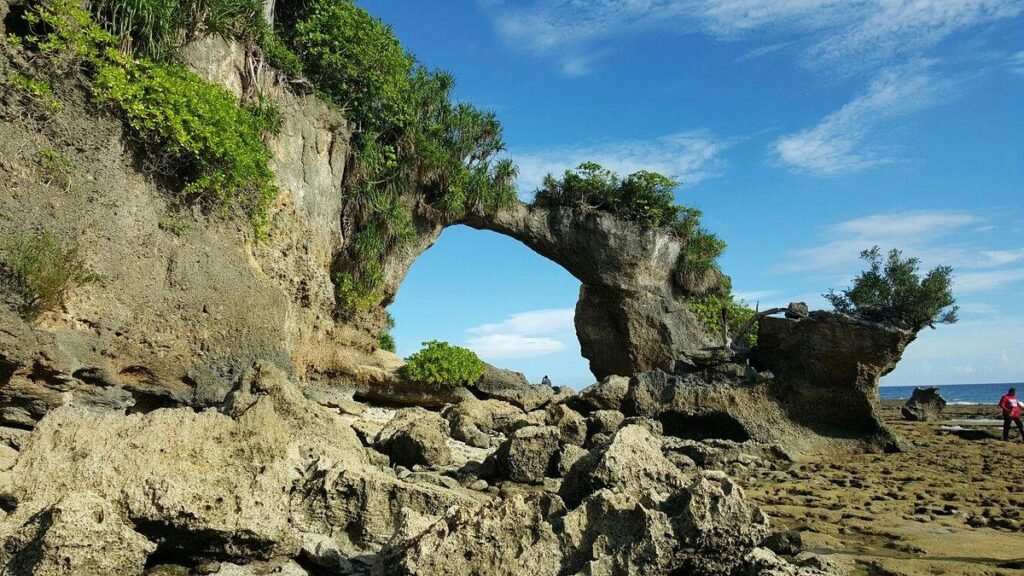
What makes the Natural Rock Bridge visually compelling is the stark contrast between its weathered, organic architecture and the open expanse of the sea. Official tourism material identifies the formation as a significant natural rock structure and a primary photographic attraction on Shaheed Dweep. The bridge itself features deeply eroded surfaces, rough textures, and natural openings that frame the surrounding water and sky. Below and around the structure, shallow tidal pools catch the ambient light, creating natural mirrors that reflect the changing tones of the atmosphere. The interplay of dark, textured rock against the lighter blues of the ocean and sky gives photographers an opportunity to work with strong foreground elements, leading lines, and varied compositional depths. Whether a photographer chooses to capture a wide environmental landscape that places the massive arch within the scale of the open coast or focuses tightly on the minute erosion patterns and marine details embedded within the rock surface, the location offers exceptional visual variety.
For anyone planning a photography session at the Natural Bridge, time of day is only one piece of the puzzle; tide conditions are equally, if not more, important. Official tourism guidance for Shaheed Dweep specifically advises visitors to plan their excursion around low tide. When the tide recedes, the water level drops to reveal the intricate reef platform, extensive rock shelves, and isolated tidal pools that are otherwise submerged beneath the surf. This exposure provides the photographer with a significantly larger canvas. During low tide, you can walk closer to the base of the rock formation, position yourself to shoot through the natural arch openings, and utilize the exposed foreground textures to anchor your compositions. Because tidal cycles shift daily, building your photography schedule around the current local tide forecast rather than a generic morning or evening recommendation ensures you arrive when the shoreline is fully accessible and visually rich.
Arriving at the Natural Bridge during the early morning hours introduces a quiet, contemplative quality to the landscape. As the sun ascends over the eastern side of the island, the early light is typically soft, diffused, and gentle in contrast. This low-contrast illumination prevents harsh shadows from obscuring the fine details within the rock's eroded surface, making it an ideal window for capturing subtle textures and natural earth tones. The morning atmosphere is generally calmer, providing an unhurried environment for photographers who prefer to experiment with different framing angles without navigating large numbers of fellow visitors. While the direct angle of the morning sun depends on the exact time of year and local geography, the overall quality of early light offers a clean, serene palette that highlights the architectural integrity of the rock bridge against the awakening sea.
As the morning progresses toward midday, the natural illumination grows stronger and more direct, bringing out sharp contrasts across the coastal landscape. While bright overhead sunlight can sometimes introduce harsh shadows, it also serves a distinct photographic purpose for those interested in highlighting the physical scale and ruggedness of Shaheed Dweep. Stronger sunlight illuminates the tiny marine details trapped inside the tidal pools, causes wet rock surfaces to gleam, and emphasizes the deep crevices and natural holes carved into the bridge structure. Photographers working during this window can focus on environmental storytelling, capturing the broader interaction between the rocky shore, the surrounding beach, and the expansive horizon under clear, high-visibility conditions.
The late afternoon brings a dramatic shift in colour temperature, bathing the coastal formations in warm, golden hues as the sun lowers toward the western horizon. This golden-hour light casts long, sweeping shadows that add a powerful sense of dimension and drama to the scene. The warm tones soften the rugged appearance of the dark rock, while the sky and sea can transform into a canvas of amber, orange, and deep blue. However, photographers should note that the most visually striking light does not always coincide with the most favourable tide. If low tide happens to fall during the morning hours, waiting purely for sunset may mean arriving to find the shoreline partially submerged by the incoming tide. Weighing the optimal lighting against the daily tide schedule is the key to securing a successful shoot.

Determining the ideal moment to photograph the Natural Rock Bridge requires treating tide and light as equal partners in your planning process. The optimal photography window occurs when a favourable low tide aligns with a period of stable, usable natural light—whether that falls in the early morning or late afternoon. Photographers should begin by consulting current local tide charts for Shaheed Dweep on their specific travel dates. Once the low-tide window is identified, check the corresponding sunrise or sunset times to find the sweet spot where accessible shoreline meets flattering, directional sunlight. Prioritizing the tide first ensures you can safely reach the formation and utilize its textures, while choosing the best available light within that window guarantees your images possess strong atmospheric depth.
A well-crafted portfolio from the Natural Bridge should utilize a variety of compositional techniques to tell a complete visual story. A wide landscape composition works effectively to establish the monumental scale of the arch, placing the structure within the broader context of the coastline, sea, and sky. Photographers can also employ a frame-within-a-frame technique, using the natural curved opening of the rock bridge to frame distant waves, passing clouds, or fellow visitors positioned at a safe distance to provide human scale. Leading lines—formed by the curving edge of the shoreline, parallel rock shelves, or receding water channels—can be used to guide the viewer’s eye directly toward the central arch. For macro and detail-oriented photography, turning your attention downward to the wet rock surfaces, barnacles, and marine life trapped in tidal pools offers intimate compositions that celebrate the micro-ecosystems of the island.
Achieving striking coastal photographs does not strictly require heavy professional equipment; modern smartphones are remarkably capable when handled with intention. When shooting with a phone, rely on the main camera lens rather than pushing into digital zoom, which degrades image quality and clarity. Always wipe the camera lens clean of sea spray and fine sand before shooting. Tap the screen to set your focus and adjust exposure manually, pulling down the brightness slider slightly if the bright sky appears overly washed out. Utilize on-screen grid lines to keep your horizon straight against the flat line of the sea. Finally, protect your device from saltwater splashes and blowing sand by keeping it in a secure, water-resistant pouch when not actively composing a shot.
For travellers utilizing DSLR or mirrorless camera systems, a versatile lens kit significantly expands your creative options. A wide-angle zoom lens is invaluable for capturing the expansive landscape and emphasizing the dramatic scale of the bridge from close range. A standard zoom or short telephoto lens allows you to compress the background, isolate specific rock textures, and create intimate environmental portraits. Incorporating a circular polarising filter can dramatically reduce glare on wet rock surfaces and deepen the blue tones of the water and sky. Shooting in RAW format provides the necessary dynamic range to recover shadow detail in the dark rock formations while preserving highlight details in the bright coastal clouds.
Water is an active participant in coastal photography, and how you choose to capture its movement can fundamentally alter the mood of your images. Still, shallow tidal pools present mirror-like surfaces that reflect the sky and the underside of the rock arch, creating symmetrical, artistic compositions. Where waves break against the outer rocks, you can experiment with shutter speeds: a fast shutter speed freezes the explosive motion of splashing water and jagged foam, while a slightly slower shutter speed imparts a soft, milky texture to receding water as it drains off the rock shelves. Always ensure your footing is stable before pausing to experiment with camera settings near the water's edge.
Photographers occasionally feel disappointed when an overcast or cloudy sky replaces bright sunshine, but in coastal photography, clouds can be a distinct asset. Overcast conditions act as a giant natural diffuser, softening harsh shadows, eliminating high-contrast hot spots, and bringing out the subtle, earthy tones embedded within the weathered rock. A dramatic, cloud-filled sky also adds texture and emotional mood to wide landscape compositions, preventing the background from appearing flat or uninteresting. Provided heavy rain and poor visibility are not restricting movement, variable cloud cover often produces richer, more balanced photographs than uninterrupted midday sun.
The marine environment around the Natural Rock Bridge demands continuous respect for physical safety. The shoreline is characterized by uneven, jagged rock surfaces that can become exceptionally slippery when wet with sea spray or algae. Photographers are frequently tempted to reverse blindly while looking through a viewfinder, a habit that can easily lead to trips, falls, or twisted ankles. Never turn your back entirely on the incoming tide, as unpredictable wave surges can sweep across exposed rock shelves without warning. Maintain a safe distance from breaking surf, avoid walking across unstable or submerged rock formations, and ensure that your attention is divided evenly between framing your shot and monitoring your immediate footing.
As a fragile and protected coastal ecosystem, the Natural Bridge should be photographed with a strict commitment to environmental preservation. Visitors must avoid standing on living coral formations, breaking or moving natural rock pieces for compositional convenience, or disturbing marine organisms residing in tidal pools. Carry all personal waste and packaging back with you, remaining mindful of local signs, barriers, and instructions issued by forest and tourism authorities. Responsible photography celebrates the natural landscape precisely as it is found, ensuring that the ecological integrity of Shaheed Dweep remains uncompromised for future visitors and local wildlife.
Integrating a successful photography excursion into your Shaheed Dweep itinerary requires careful logistical preparation. Because the island relies heavily on maritime transport connections, confirm your ferry bookings well in advance of your travel dates. Allow sufficient time on the island so your schedule is not rushed by tight same-day connections. Check the local tide calendar specifically for the dates you will be at the Natural Bridge, aligning your morning or afternoon outings accordingly. Pack sensible essentials including drinking water, sun protection, sturdy footwear with reliable grip, and weather protection for your camera gear, ensuring your photography session remains comfortable, safe, and productive.
Arranging a seamless island holiday that accommodates specialized interests—such as coastal photography on Shaheed Dweep—benefits greatly from professional local planning. Andaman Bliss helps travellers coordinate every phase of their journey, ensuring your resort stays, inter-island ferry transfers, and daily sightseeing align logically with your personal travel goals. To explore varied ways to structure your trip, you can discover comprehensive travel packages or browse curated ideas via our collection of Andaman tour packages and find inspiration for your dream island holiday.
Capturing the Natural Rock Bridge on Shaheed Dweep through photography is ultimately an exercise in timing, observation, and patience. The strongest photographic results do not emerge from expensive equipment or rushed checklists, but from matching favourable low-tide conditions with the most flattering natural light. By respecting the dynamic marine environment, prioritizing personal safety along the uneven shoreline, and observing the landscape responsibly, you create images that authentically reflect the rugged beauty of the Andaman Sea. Slow down, study how the light moves across the eroded stone, and let the timeless geography of Neil Island shape your photographic journey.
Planning a Dussehra or Diwali family holiday? Explore this 6-day Andaman itinerary covering beaches, island hopping, family activities, sightseeing, and practical travel tips.
Looking beyond the usual tourist spots? Explore Andaman's best offbeat destinations, hidden beaches, and scenic natural escapes.
Discover night kayaking in Port Blair with practical information on bioluminescence, mangrove routes, safety rules, best season, equipment, and what to expect after sunset.

