


Diwali & Dussehra Vacation in Andaman: Ideal 6-Day Family Tour Plan
Planning a Dussehra or Diwali family holiday? Explore this 6-day Andaman itinerary covering beaches, island hopping, family activities, sightseeing, and practical travel tips.
Planning an Andaman trip? Understand why North Sentinel Island and protected tribal reserves are restricted, what permits apply, and which activities tourists must avoid.

When researching travel to the Andaman and Nicobar Islands, curious visitors often encounter information about North Sentinel Island and its isolated Indigenous inhabitants, the Sentinelese. This frequently leads to the question of whether tourists can visit North Sentinel Island. The short and definitive answer is no. North Sentinel Island is not, and has never been, a tourist destination. It is a legally designated Tribal Reserve, and entry by any person other than those authorized by the government is strictly prohibited. The restrictions are in place to protect the Sentinelese community—who have chosen to maintain their isolation from the outside world—from the transmission of outside diseases and from exploitation. For comprehensive official travel advisories and governance policies, travellers can consult the Andaman & Nicobar Tourism Portal.

Ordinary tourists cannot visit North Sentinel Island. Under the Andaman and Nicobar Islands (Protection of Aboriginal Tribes) Regulation, 1956, the entire island, covering approximately 59.67 sq km, has been notified as a Tribal Reserve. Furthermore, the protected area extends to the coastal sea up to five kilometres from the high-water mark. This designation means that there are no regular sightseeing permits or tour packages for North Sentinel Island, it is illegal for any unauthorized person to land on the island, boats and fishing vessels must not approach the island within the 5-km buffer zone, and any attempt to interact with the Sentinelese is strictly prohibited. The government follows an "eyes-on and hands-off" policy regarding the Sentinelese, meaning the administration monitors their well-being without attempting to make contact or interfere with their way of life, ensuring their continued sovereignty over their territory.
The protection of North Sentinel Island and the Sentinelese is essential for several critical reasons, primarily centred on human rights and public health. The most significant danger to the Sentinelese is exposure to common infectious diseases carried by outsiders, such as the common cold, influenza, measles, or COVID-19. Having been isolated for centuries, they lack immunity to these illnesses, meaning contact could be devastating and potentially lead to the death of a significant portion or the entire community. Additionally, protecting their chosen isolation respects their autonomy and right to live according to their own customs, while Tribal Reserve status ensures their land and surrounding marine resources remain undisturbed by poaching or exploitation.
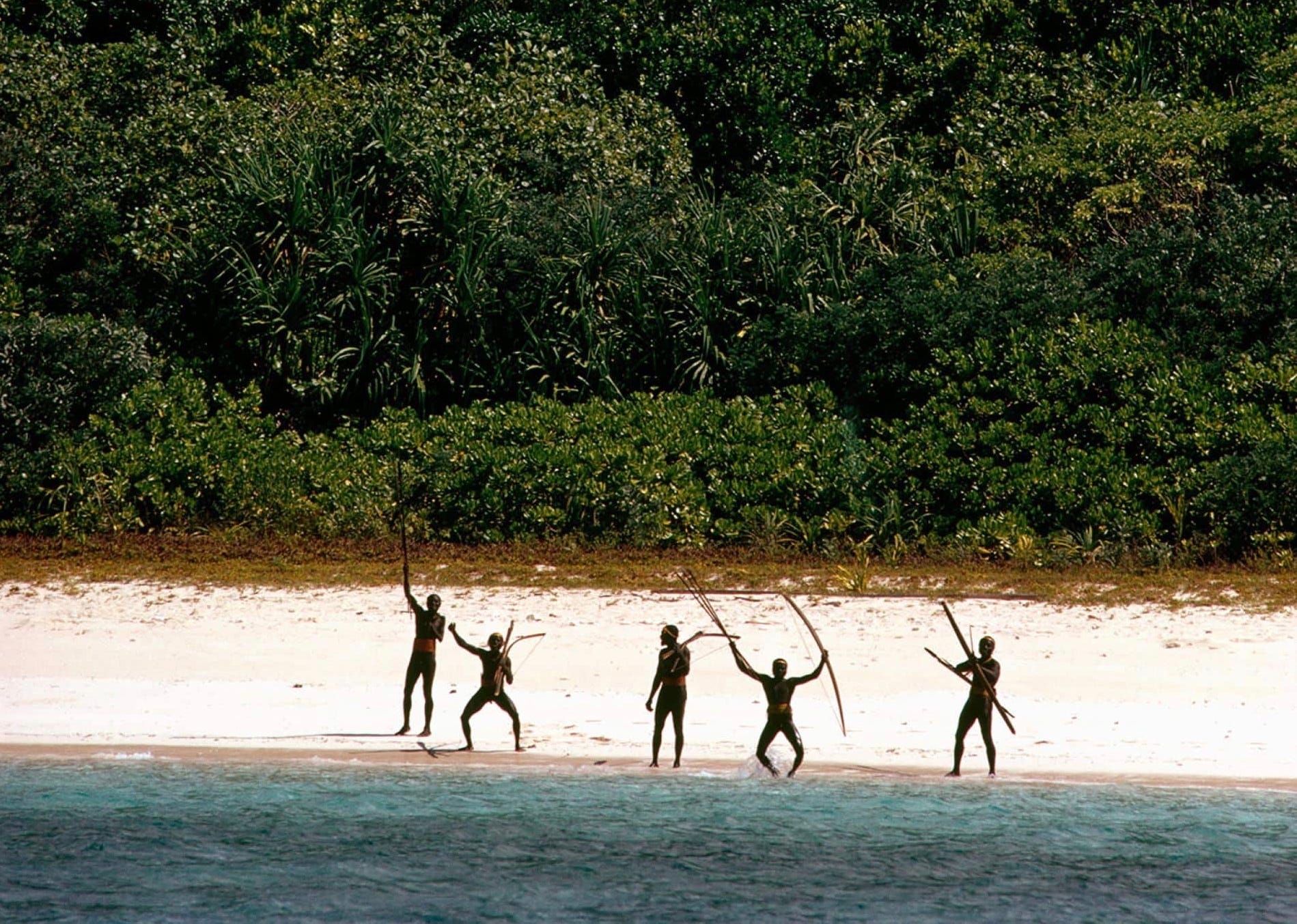
The legal protection of North Sentinel Island is comprehensive and geographical, defining both the entire landmass and the surrounding five kilometres of coastal sea as a Tribal Reserve. This 5-km coastal buffer is crucial because travellers may incorrectly assume they can sail close to the island for a view as long as they do not step onto the beach, which is entirely illegal. Any unauthorized vessel entering this five-kilometre zone violates the Tribal Reserve notification and is subject to interception by the Marine Police, Coast Guard, or Navy, who actively patrol the area. Official guidelines and jurisdictional updates can be verified through the Ministry of Home Affairs, Government of India.
No special permit is available for tourists to visit North Sentinel Island. While Restricted Area Permit (RAP) requirements have been relaxed for many non-tribal inhabited islands, this relaxation does not apply to Tribal Reserves, Reserved Forests, or Wildlife Sanctuaries. Specific approvals from the competent authority—which would only be granted for legitimate research or administrative purposes—are still mandatory for entry into any protected area. Access to the Sentinelese Tribal Reserve is never granted for tourism purposes under any circumstances.
Entering a notified Tribal Reserve without authorization is a serious criminal offence with severe legal consequences enforced by the Andaman and Nicobar Administration. Violations are primarily prosecuted under the Andaman and Nicobar Islands (Protection of Aboriginal Tribes) Regulation, 1956 (PAT Regulation), which was enacted specifically to safeguard the territories and cultural identity of Indigenous communities. The PAT Regulation has been strengthened over time with significant amendments, such as the 2006 amendment making unauthorized entry punishable by imprisonment of up to two years and a fine of up to ₹10,000, and the 2012 amendment introducing even stricter penalties for photography, filming, hunting, poaching, or introducing prohibited substances, which can attract imprisonment of up to seven years.
Taking unauthorized photos, videos, or making recordings of protected tribal communities is illegal and constitutes a serious offence under the amended PAT Regulation. This applies not only to attempts to photograph the Sentinelese but also to any efforts to film or photograph other protected groups, such as the Jarawa, with the law specifically prohibiting entry into reserved areas for recording purposes. Responsible tourism practices mandate that visitors respect the privacy and dignity of Indigenous communities, meaning tour operators are strictly barred from organizing tribal tours, and travellers must never attempt to photograph, film, use drones, stop vehicles, or offer gifts to tribal members.
Different protected areas have distinct administrative rules based on the community involved and the government's management approach. North Sentinel Island is a strictly protected Tribal Reserve with absolute zero tourist access across its land and surrounding coastal waters. In contrast, the Jarawa Tribal Reserve in Middle and South Andaman is traversed by tourists along the Grand Andaman Trunk Road (NH4) to reach Baratang Island, but this passage is strictly regulated via a police-escorted convoy system where stopping, photography, and interaction are strictly prohibited by law. Meanwhile, the Shompen Tribal Reserve on Great Nicobar Island is highly restricted, requiring a special Tribal Pass issued by the Deputy Commissioner in Nicobar, with current Directorate of Shipping Services (DSS) guidelines generally prohibiting foreign nationals from travelling to the Nicobar Group.
Responsible travel in the Andaman Islands requires awareness of and strict adherence to all local and national regulations. Tourists must confine their activities strictly to designated tourism zones, beaches, and resorts while paying close attention to signboards indicating restricted areas and Tribal Reserves. Unauthorized attempts to interact with or photograph any protected Indigenous community are illegal and dangerous. If travelling to Baratang, visitors must strictly follow the rules of the Jarawa reserve transit by staying in the convoy, keeping windows up, and never stopping or offering items. Furthermore, travellers must cooperate fully with Forest Department officials, police, and tourism personnel at all times.
Andaman Bliss is committed to promoting responsible and sustainable tourism in the Andaman and Nicobar Islands. We believe in showcasing the natural beauty, heritage, and authorized tourist attractions of the archipelago while ensuring that local laws and the rights of Indigenous communities are fully respected. When planning your Andaman holiday with Andaman Bliss, we ensure your itinerary complies with current travel regulations, assisting in accommodation, inter-island transfers, and guided tours to permitted destinations such as Swaraj Dweep (Havelock), Shaheed Dweep (Neil), Sri Vijaya Puram (Port Blair), and Baratang Island. We do not facilitate or provide information on accessing North Sentinel Island or any restricted Tribal Reserve. Explore our comprehensive destination guides via the best places to visit in Andaman to plan a memorable and legally compliant island getaway.
Planning a Dussehra or Diwali family holiday? Explore this 6-day Andaman itinerary covering beaches, island hopping, family activities, sightseeing, and practical travel tips.
Looking beyond the usual tourist spots? Explore Andaman's best offbeat destinations, hidden beaches, and scenic natural escapes.
Discover night kayaking in Port Blair with practical information on bioluminescence, mangrove routes, safety rules, best season, equipment, and what to expect after sunset.

