


Diwali & Dussehra Vacation in Andaman: Ideal 6-Day Family Tour Plan
Planning a Dussehra or Diwali family holiday? Explore this 6-day Andaman itinerary covering beaches, island hopping, family activities, sightseeing, and practical travel tips.
Is monsoon a good time to visit Andaman? Explore the benefits, drawbacks, weather conditions, and travel tips before booking your trip.

When people think of the Andaman and Nicobar Islands, standard travel marketing usually brings to mind uninterrupted sunshine, dazzling blue water, and pristine white sand. Yet the islands experience a pronounced maritime climate, with the southwest monsoon bringing substantial rainfall across the region between roughly June and September, often extending into October. Challenging the assumption that the islands should only be visited during the dry months reveals a season that alters the travel experience rather than closing the destination entirely. A monsoon journey brings saturated green landscapes, cloud-draped coastlines, fewer crowds, and a significantly slower pace, but it also introduces unpredictable sea swells, ferry disruptions, and limited outdoor water activities. Deciding whether to book a trip during these months requires a clear-eyed assessment of your personal travel style, flexibility, and holiday expectations.
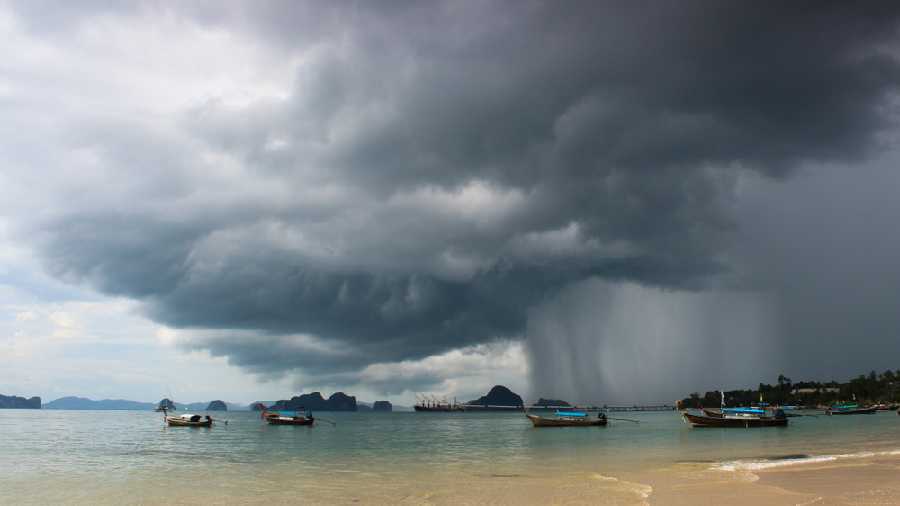
The monsoon pattern across the Andaman Islands typically arrives in late May or early June, bringing several months of moderate to heavy rainfall, gusty winds, and overcast skies. While precipitation peaks during June, July, and August, September often marks a transitional period where rainfall patterns begin to shift. However, weather systems in a tropical maritime setting rarely follow a rigid calendar. Heavy downpours can be interspersed with warm, humid sunshine, or prolonged squalls can alter daily plans without warning. Official climate data from meteorological authorities and guidelines from the Andaman and Nicobar Tourism Department consistently highlight that while temperatures remain comfortably warm throughout the year, wind and rain intensities vary significantly across different islands and months.
Visiting the archipelago during the rainy season presents a visual and sensory environment far removed from the dry-season experience. The most striking transformation is the landscape. Heavy tropical downpours saturate the evergreen forests, mangrove creeks, and roadside foliage, turning the islands into a vibrant, deep shade of green. Skies are frequently grey and dramatic, casting moody shadows across the sea. Roads and jungle paths can become slick with mud, and coastal winds often churn the water, replacing calm turquoise shallows with darker, choppier waves. Rather than spending days stretched out on white-sand beaches under direct sunlight, travellers are more likely to experience a rhythm dictated by changing weather windows, requiring a willingness to adapt daily itineraries on short notice.
For specific types of travellers, the monsoon season offers distinct advantages that cannot be found during the crowded peak months.
The most immediate reward of rainy-season travel is the condition of the natural environment. The forests, botanical gardens, and agricultural lanes of islands like Shaheed Dweep burst with life, offering exceptional scenery for nature lovers and landscape photographers who appreciate lush vegetation over sun-baked sand.
Because mainstream tourism slows down considerably during these months, popular viewing points and ferry terminals experience significantly lower footfall. Travellers seeking a peaceful retreat away from crowded tour groups will find that the islands feel remarkably quiet and unhurried.
Lower travel demand can occasionally result in more competitive pricing or wider availability across various resort categories. While travellers should never assume universal discounts, properties often structure their offerings differently during the rainy season to attract visitors.
Monsoon travel suits those who view a holiday as an opportunity to unwind rather than a checklist to complete. Travellers who enjoy spending hours reading on a veranda, watching rain sweep across the ocean, enjoying spa treatments, and dining leisurely indoors can have a deeply satisfying stay.
The season naturally rewards a flexible mindset. Visitors who do not mind changing their plans because of a sudden downpour will find that the monsoon accommodates an unscripted, spontaneous travel style.
Balancing the picture requires acknowledging the very real operational challenges that accompany a rainy-season trip.
Maritime transport is the lifeblood of the islands, and rough weather can cause the Directorate of Shipping Services or private operators to alter schedules, delay departures, or suspend sailings for safety. A sudden cancellation can strand travellers on an outer island, disrupting onward flights and hotel bookings.
Monsoon winds generate significant sea swells, making the water choppy and unpredictable. This directly impacts the safety and comfort of open-water boat crossings between Sri Vijaya Puram and outer islands like Swaraj Dweep.
Because visibility drops and currents strengthen, popular marine activities such as scuba diving, snorkelling, structured sea walks, and glass-bottom boat tours frequently face temporary suspensions for safety reasons.
Heavy rains transform unpaved forest trails—such as those leading to Elephant Beach or Saddle Peak—into muddy, slippery hazards that require extreme caution or complete avoidance.
Outdoor attractions lose their predictability. A planned morning at the beach can be washed out entirely by a sudden squall, requiring travellers to constantly maintain indoor backup plans.
Maritime logistics require the most careful attention during the rainy season. Both government passenger vessels and high-speed private cruises continue to operate when weather permits, but safety protocols take absolute precedence. Official notices from maritime authorities emphasize that all sailings are subject to prevailing weather and technical conditions. For travellers, this means an itinerary must never be built with tight connections. Scheduling a ferry from Swaraj Dweep to Sri Vijaya Puram on the exact same morning as an onward domestic flight is a high-risk gamble during the monsoon. Building multiple buffer days into your schedule and checking daily sailing statuses directly with operators is essential for avoiding missed travel connections.
Travellers often wonder if all water sports completely shut down during the rainy season. The reality is more nuanced. While popular marine activities do not experience a permanent administrative shutdown, their daily operation is governed entirely by real-time safety assessments, wind speeds, wave heights, and underwater visibility. On days when storms roll in, diving centres and boat operators suspend trips immediately. On calmer days during a break in the weather, select activities may run, but travellers must remain mentally prepared for cancellations. Choosing to visit during these months means accepting that marine adventures cannot be guaranteed in advance.
When outdoor sightseeing is limited by weather, the islands still offer alternative ways to spend your time comfortably.
A rainy afternoon provides the ideal excuse to enjoy well-appointed resort accommodations, indoor lounges, and property amenities without feeling guilty about missing out on outdoor exploration.
The culinary scene remains fully active. Travellers can spend unhurried hours sampling fresh seafood, regional fish curries, and comforting meals at local restaurants and indoor cafés across Sri Vijaya Puram and Swaraj Dweep.
Indoor historical sites, such as the Cellular Jail in Sri Vijaya Puram and local maritime museums, offer deep historical insight and remain relatively sheltered from weather disruptions, provided operating hours are verified before heading out.
Moody grey skies, rain-slicked heritage ruins, dramatic cloud formations over the sea, and intensely saturated green foliage provide striking subjects for photographers who appreciate atmospheric landscapes over bright sunshine.
Visiting coastal stretches is still possible during dry intervals. Walking along Radhanagar Beach when the rain clears offers a quiet, dramatic perspective of the shoreline, though swimming should be approached with extreme caution.
Swaraj Dweep experiences moderate to heavy rainfall throughout the monsoon months, bringing a dramatic shift to its famous coastal environment. While resorts remain operational and roads stay accessible, the island's famous beaches take on a wilder, more isolated character. Ferry connections to the mainland can experience weather-related delays, meaning visitors must remain flexible with their departure dates. Outdoor activities like diving and trekking are subject to daily cancellations based on sea states. Swaraj Dweep during this season suits travellers who want to stay in a comfortable resort, enjoy good food, and watch the monsoon weather roll across the Bay of Bengal, rather than those seeking a packed outdoor agenda.
On Shaheed Dweep, the rainy season accentuates the island's quiet, agricultural nature. Rural lanes become wet and muddy, while coastal attractions like the Natural Bridge or Laxmanpur Beach are buffeted by stronger winds and heavier seas. Because the island relies heavily on ferry transits through open water, travel plans here are particularly vulnerable to weather disruptions. Accommodation providers maintain a tranquil, low-key atmosphere, offering a secluded environment for travellers who are completely comfortable with unscripted downtime and potential schedule adjustments.
Sri Vijaya Puram serves as the most practical base for travellers navigating unsettled weather. Because the capital offers a robust network of urban infrastructure, established restaurants, indoor museums, shopping outlets, and reliable access to Veer Savarkar International Airport, adjusting to sudden rainstorms is far easier here than on a remote outer island. If a ferry to Swaraj Dweep is delayed by a day due to rough seas, travellers based in the capital can easily pivot toward historical sightseeing, indoor dining, or local cultural exploration while waiting for maritime conditions to improve.
For couples planning a post-wedding escape, a rainy-season honeymoon offers a very specific romantic atmosphere, provided both partners share the same expectations. Couples who value absolute privacy, long hours spent relaxing in a boutique resort, quiet indoor candlelit dinners, and slow mornings without a demanding sightseeing schedule will find the monsoon surprisingly charming. However, newlyweds whose hearts are set on sunbathing, predictable outdoor photography, active daily water sports, and seamless island hopping will likely find the weather limitations frustrating. Honesty about your shared travel preferences is vital before committing to a monsoon romance.
Family travel during the rainy season presents a distinct set of logistical challenges. While children may enjoy the slower pace and relaxed resort time, unpredictable weather delays, potential ferry cancellations, and the lack of reliable outdoor activities can lead to restlessness. Wet walking conditions and rough sea states also restrict swimming and beach play. Families considering this season should prioritize comfortable resort properties with spacious indoor areas, reliable dining facilities, and flexible itineraries that do not depend heavily on rigid daily schedules.
Preparing your luggage for a rainy-season journey requires practical, water-resistant choices. Pack lightweight, quick-drying synthetic clothing that handles high humidity and frequent downpours better than heavy cottons. Bring a dependable, lightweight rain jacket or windbreaker, along with sturdy footwear that provides good traction on wet, muddy surfaces. Safeguard your electronics, identification documents, and cash by packing them inside reliable waterproof dry bags or zip-lock pouches. Finally, bring effective mosquito repellent, essential personal medications, and a portable power bank to manage temporary power fluctuations during storms.
Designing an itinerary for the rainy season requires abandoning rigid timeframes in favour of flexibility. Keep your travel plan simple by limiting the number of island transfers, thereby reducing your exposure to potential ferry disruptions. Avoid scheduling critical commitments—such as return flights or important professional deadlines—immediately after an inter-island boat crossing. Build unstructured rest periods into every day, and maintain active communication with your hotel hosts and tour coordinators to monitor daily weather and sea advisories.
While you cannot control tropical weather patterns, you can take deliberate steps to minimize travel friction. Monitor official weather reports and maritime updates regularly. Official tourism portals consistently advise travellers to cross-check operational information with concerned departments before finalizing daily movements. Keep your accommodation provider's contact details readily available offline, and ensure your booking policies allow for reasonable schedule adjustments or date modifications if severe weather prompts transport suspensions.
The rainy season appeals strongly to specific types of visitors. It is well-suited for flexible travellers who view weather changes as part of the adventure, slow-travel enthusiasts, nature lovers captivated by saturated rainforests, couples seeking quiet resort privacy, and those who prefer a tranquil atmosphere far away from peak-season crowds.
Conversely, travellers should look toward the drier months if their holiday depends heavily on daily scuba diving, frequent island-hopping, predictable sunshine, guaranteed outdoor photography windows, or strict adherence to a tight, minute-by-minute itinerary. Recognizing that the season simply does not match your primary holiday goals helps ensure you book your Andaman trip at the right time of year.
Comparing the two distinct periods highlights the trade-offs involved. The peak dry season delivers calmer seas, reliable ferry operations, clear skies, and full access to water sports across every island, but it also brings larger crowds and higher demand. The monsoon season trades weather predictability and water-sport reliability for lush green landscapes, dramatic skies, quieter environments, and a relaxed, unhurried rhythm. Neither season is universally superior; each simply serves a completely different type of traveller.
Navigating the logistical nuances of seasonal island travel is much easier when supported by experienced local coordination. Andaman Bliss helps travellers design thoughtful itineraries tailored to changing weather conditions, ensuring that your accommodation, transfers, and sightseeing plans remain flexible and secure. Whether you are looking for structured Andaman Tour Packages, romantic getaways through specialized Andaman Honeymoon Packages, or guidance on seasonal Andaman Activities, our team provides reliable planning support. To explore more about the archipelago's diverse regional offerings, you can review our guide to the Best Places to Visit in Andaman and let Andaman Bliss help you design your ideal island getaway.
Deciding whether to visit the Andaman Islands during the monsoon comes down to prioritizing what matters most to your holiday experience. If your ideal trip is built around flexibility, deep green landscapes, peaceful solitude, and unscripted resort relaxation, the rainy season offers a unique and rewarding perspective of the islands. If your vision requires calm seas, dependable ferry schedules, daily underwater exploration, and reliable sunshine, planning your journey around the drier months is the wiser choice. Evaluate your priorities carefully, prepare with appropriate gear and buffer time, and let the natural rhythm of the islands guide your adventure.
Planning a Dussehra or Diwali family holiday? Explore this 6-day Andaman itinerary covering beaches, island hopping, family activities, sightseeing, and practical travel tips.
Looking beyond the usual tourist spots? Explore Andaman's best offbeat destinations, hidden beaches, and scenic natural escapes.
Discover night kayaking in Port Blair with practical information on bioluminescence, mangrove routes, safety rules, best season, equipment, and what to expect after sunset.

