


Diwali & Dussehra Vacation in Andaman: Ideal 6-Day Family Tour Plan
Planning a Dussehra or Diwali family holiday? Explore this 6-day Andaman itinerary covering beaches, island hopping, family activities, sightseeing, and practical travel tips.
Thinking about visiting Andaman during summer? Here's your complete guide to weather, attractions, activities, and travel tips for April to June.

When travellers begin looking into an island getaway during the warmer months, the Andaman and Nicobar Islands often emerge as a compelling destination. However, planning a trip across April, May, and June requires a nuanced approach that goes beyond generic tropical holiday assumptions. While many travellers group these three months together under a single "summer" label, official climate patterns and regional tourism guidance reveal that the travel experience changes significantly as the calendar moves from spring into early summer and eventually toward the monsoon. April and May typically offer warm, humid days with generally calm seas that favour beach exploration and marine activities, whereas June marks a distinct seasonal transition as monsoon rains arrive in several island areas. Understanding these monthly shifts helps you align your expectations with reality, ensuring that your holiday matches your comfort level, itinerary flexibility, and activity priorities.

The Andaman and Nicobar Islands operate under a tropical maritime climate characterized by warm temperatures, high humidity, and stable year-round warmth rather than extreme seasonal temperature swings. However, atmospheric conditions shift visibly as the months progress. According to climate observations and data from the India Meteorological Department, daytime temperatures during April and May regularly hover within comfortable warm brackets, accompanied by strong sunshine and occasional sea breezes. Humidity levels rise steadily toward the end of May, creating a heavier atmosphere. By June, south-westerly monsoon winds bring moderate to heavy rainfall across much of the archipelago. Rainfall distribution can vary significantly from day to day and island to island, meaning that a sunny morning in Sri Vijaya Puram might give way to an afternoon downpour on Swaraj Dweep. Recognizing that tropical weather is inherently dynamic prevents the frustration of expecting uniform conditions across your entire trip.
April represents the heart of the dry, warm travel window across the islands. Official tourism data for Swaraj Dweep categorizes the March–May period as a favourable summer season, marked by warm days and generally calm sea states. For travellers, April delivers reliable conditions for outdoor sightseeing, long beach days, and full participation in water-based activities like scuba diving, snorkelling, and kayaking. Because visibility around coral reefs tends to be strong during this month, marine enthusiasts frequently choose April for underwater exploration. Sightseeing is comfortable when planned thoughtfully around the stronger midday heat, leaving early mornings and late afternoons open for beach walks and coastal photography. While accommodation demand can remain steady during school holiday periods, the overall predictability of the weather makes April an approachable time for first-time visitors.
As May unfolds, the atmospheric pressure changes noticeably across the territory. Temperatures remain warm, but humidity climbs higher, and the air feels heavier as the atmosphere prepares for the seasonal shift. Many outdoor activities, beach visits, and island transfers remain fully operational during the first half of May, allowing travellers to enjoy coastal explorations and marine sports. However, the probability of sudden, short-lived tropical showers increases toward the end of the month. May suits travellers who tolerate tropical heat well and appreciate a destination that may be slightly less congested than the peak winter months. It rewards those who maintain flexible daily schedules, allowing them to shift outdoor plans indoors if a sudden afternoon storm passes overhead.

Treating June as simply another summer month is a common planning error. Official regional tourism information identifies June as the official beginning of the monsoon season for several key island destinations, including Swaraj Dweep and Shaheed Dweep. While June does not mean continuous, unceasing rain every single hour, it does bring a marked increase in rainfall, cloudier skies, choppier sea conditions, and higher humidity. For travellers, this transition carries direct implications for inter-island transport and outdoor recreation. Ferry schedules managed by the Directorate of Shipping Services can occasionally face weather-related adjustments, and water activities like diving and snorkelling are subject to real-time safety suspensions if sea swells rise. Conversely, June appeals strongly to slow travellers, photography enthusiasts who appreciate dramatic skies and rain-washed greenery, and visitors who prioritize quiet surroundings over predictable beach weather.
Evaluating the three months side by side reveals how the island experience evolves. April delivers warm, generally stable weather with high reliability for water sports, island hopping, and beach days, making it ideal for active itineraries. May offers a continuation of warm conditions alongside rising humidity and the early possibility of pre-monsoon showers, requiring a slightly more adaptable approach to daily scheduling. June introduces a profound environmental shift as the monsoon takes hold, bringing lush green landscapes and fewer crowds, but demanding complete itinerary flexibility and an acceptance of weather uncertainty. Choosing the right month depends entirely on your personal tolerance for heat, your need for predictable outdoor conditions, and your willingness to embrace rain as part of the adventure.
Focusing your itinerary on destinations that align with seasonal operating conditions ensures a smooth and enjoyable journey.
The administrative capital serves as a versatile anchor during the warmer months. Urban and historical sightseeing—such as touring the Cellular Jail, visiting regional museums, exploring Corbyn's Cove, or watching the evening Light and Sound Show—can be comfortably integrated into your schedule. Because the city offers robust indoor infrastructure, adjusting your plans around midday heat or sudden rain showers is far easier here than on a remote outer island.
As the primary hub for beach-oriented travel, Swaraj Dweep offers iconic coastal stretches like Radhanagar Beach, Kalapathar Beach, and Elephant Beach. Official tourism guidelines note that March through May provides favourable conditions for scuba diving and water sports on the island, while June introduces greater weather-related variability. Couples and families spending time here should plan beach visits for early mornings and late afternoons to avoid peak solar intensity.
For a slower, more pastoral island atmosphere, Shaheed Dweep features relaxed shores like Bharatpur Beach and Laxmanpur Beach. April and May allow for comfortable exploration of the island's flat agricultural lanes and coastal viewpoints, while June requires a more flexible approach as seasonal rainfall begins to alter outdoor routines.
The warmer months provide an array of activities that thrive when weather conditions align favourably. Scuba diving, snorkelling, sea walking, kayaking, and glass-bottom boat tours are prominent features of the tourism landscape, particularly during April and early May. Clear coastal waters and warm sunlight support vibrant marine observation around coral reefs. On land, leisurely beach walks during golden hours, coastal photography, and exploring historical monuments provide engaging ways to spend your days. Travellers should always remember that operating schedules for marine activities are never guaranteed in advance and remain subject to daily safety assessments by certified local operators.
Managing outdoor exposure is essential for maintaining comfort and health during an Andaman summer. The tropical sun reaches peak intensity between late morning and mid-afternoon, making extended sunbathing or strenuous walking uncomfortably hot during those hours. Experienced travellers structure their beach days around natural temperature rhythms: visiting beaches for swimming and walking during the early morning hours, retreating indoors or exploring shaded historical sites during midday, and returning to the coast in the late afternoon to enjoy sunset views and cooling sea breezes. Always carry a reusable water bottle, wear breathable fabrics, and apply broad-spectrum sun protection to prevent heat fatigue.
Navigating the islands successfully during warmer conditions involves practical self-care and logistical awareness. Prioritize continuous hydration by drinking safe water or fresh coconut water throughout the day to counter high humidity. Wear lightweight, loose-fitting cotton or linen clothing that dries quickly and allows airflow. Protect your eyes and skin with quality sunglasses, wide-brimmed hats, and reliable sunscreen. For travellers visiting in late May or June, carrying a compact umbrella or lightweight rain jacket is a wise precaution against sudden tropical downpours. Finally, keep your electronic devices protected from moisture using zip-lock pouches or waterproof dry bags during boat transfers and beach visits.
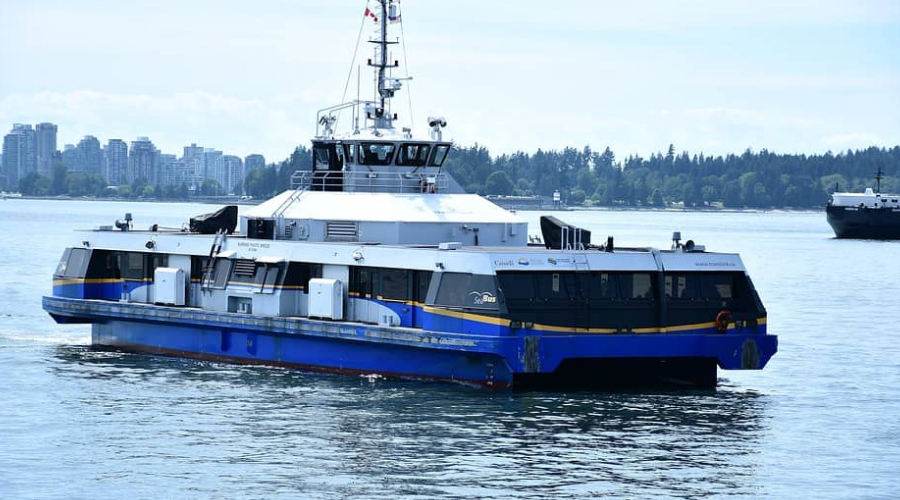
Maritime transport across the islands requires careful itinerary planning regardless of the season, but summer introduces specific variables. Inter-island connectivity relies on government passenger vessels and private high-speed catamarans operating out of ports like Phoenix Bay Jetty. During April and May, calm sea states generally support smooth, predictable sailings. However, as June introduces early monsoon conditions, official maritime notices warn that ferry schedules can occasionally be disrupted by rough weather or safety advisories. To protect your holiday from missed connections, never schedule an important flight departure immediately following an inter-island ferry transfer. Always build a buffer day into your travel sequence to absorb any unforeseen transport adjustments.
Building a resilient itinerary for an April–June trip means prioritizing simplicity over ambition. Avoid multi-island marathons that require you to pack your bags every single day. A balanced four- to six-night itinerary—such as an arrival night in Sri Vijaya Puram followed by multi-night stays on Swaraj Dweep—minimizes transit fatigue and gives you the freedom to adjust your daily schedule around weather windows. Keep time-sensitive activities front-loaded in your trip when possible, and ensure that your accommodation providers are easy to communicate with should transport plans shift unexpectedly.
Couples planning a romantic escape during April and May can enjoy sunlit beach walks, resort relaxation, and shared marine adventures like introductory scuba diving or sunset cruises. The vibrant coastal atmosphere provides an appealing backdrop for couples seeking both leisure and activity. For those considering June, romance is still entirely possible, but it takes on a quieter, more sheltered character framed by rainy afternoons and cozy resort evenings. Couples should always verify whether desired romantic amenities—such as candlelit dinners—are supported directly by their chosen resort or through authorized providers like Andaman Bliss, ensuring realistic expectations upon arrival.
Families travelling during school vacation months will find that comfort depends heavily on pacing. Managing children's sun exposure, maintaining consistent hydration, and avoiding overly packed daily schedules prevents travel burnout. Choosing family-friendly resorts with reliable swimming pools, versatile on-site dining, and comfortable room configurations simplifies daily logistics. Families travelling in June should maintain a flexible mindset, keeping indoor backup activities ready in case sudden rain showers temporarily pause outdoor beach plans.
Organizing a seamless summer holiday across changing seasonal conditions is much easier when supported by experienced local coordination. Andaman Bliss helps travellers structure well-balanced itineraries that account for ferry logistics, seasonal weather patterns, and comfortable resort accommodations. Whether you are seeking comprehensive Andaman Tour Packages, romantic getaways via verified Andaman Honeymoon Packages, or guidance on seasonal Andaman Activities, our team ensures your journey runs smoothly. To explore more about the archipelago's regional highlights, you can review our detailed Andaman Travel Guide and let Andaman Bliss help you design your ideal island getaway.
Deciding whether to visit the Andaman Islands during April, June, or the months in between comes down to matching your personal travel priorities with seasonal realities. April and May offer warm, generally stable weather that supports active beach itineraries, historical sightseeing, and marine water sports. June introduces a transition into the monsoon, bringing greener landscapes and quieter surroundings at the cost of weather predictability and potential transport adjustments. Evaluate your flexibility, prepare with appropriate gear, and choose the timing that allows you to experience the islands on your own terms.
Planning a Dussehra or Diwali family holiday? Explore this 6-day Andaman itinerary covering beaches, island hopping, family activities, sightseeing, and practical travel tips.
Looking beyond the usual tourist spots? Explore Andaman's best offbeat destinations, hidden beaches, and scenic natural escapes.
Discover night kayaking in Port Blair with practical information on bioluminescence, mangrove routes, safety rules, best season, equipment, and what to expect after sunset.

