


Diwali & Dussehra Vacation in Andaman: Ideal 6-Day Family Tour Plan
Planning a Dussehra or Diwali family holiday? Explore this 6-day Andaman itinerary covering beaches, island hopping, family activities, sightseeing, and practical travel tips.
Visit Andaman in October for pleasant weather, clear waters, exciting water sports, and the start of the peak tourist season.

When travellers begin looking beyond the standard summer holiday windows, the shoulder months often present an intriguing opportunity for island exploration. Choosing to visit the Andaman and Nicobar Islands during October places visitors right at the edge of a significant seasonal shift. This month occupies the transition period when the heavy rainfall and turbulent sea states of the southwest monsoon gradually recede, giving way to the more stable and sunlit conditions that define the peak winter tourism season. For travellers who appreciate lush green landscapes, uncrowded shores, and a more relaxed travel atmosphere, October offers a compelling proposition. However, because it remains a bridge month, it requires a balanced perspective. Weather patterns can still carry transitional variability, meaning that visitors should prepare for a mix of bright, clear days and occasional passing tropical showers. Official tourism information identifies October through May as the broader favourable travel window for exploring destinations like Swaraj Dweep, yet understanding the micro-climates, maritime realities, and operational rhythms of October ensures that your island holiday unfolds smoothly and realistically.
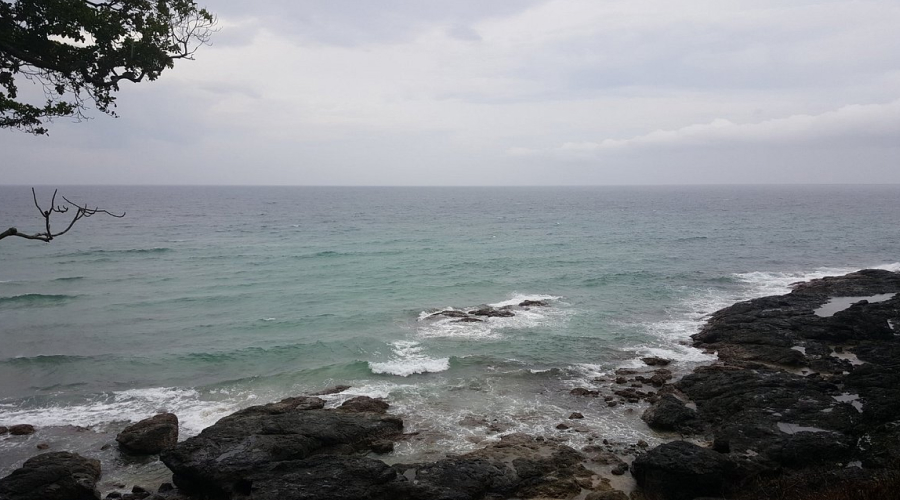
Evaluating weather patterns during October requires acknowledging that tropical maritime climates do not change overnight on a strict calendar schedule. At the beginning of the month, the atmosphere frequently carries lingering humidity and moisture from the retreating monsoon, while the latter half of October generally trends drier, warmer, and more settled as stable high-pressure systems take hold over the Bay of Bengal. Travellers can expect a mix of bright sunshine, towering white cloud formations, warm daytime temperatures, and sporadic tropical rain squalls that typically pass quickly rather than washing out an entire day. This climatic variability means that outdoor sightseeing, beach visits, and coastal photography are entirely feasible, provided your daily schedule remains adaptable. Rather than anticipating an uninterrupted stretch of dry weather, visitors who approach October with an appreciation for tropical dynamics will find the environment comfortable, deeply scenic, and refreshingly free of the heavy tourist congestion found later in the winter months.
To appreciate where October fits into the broader travel calendar, it helps to compare it against the wetter monsoon months and the bustling peak winter period. Between June and September, the islands experience the full intensity of the monsoon, characterized by heavy downpours, high winds, and frequent maritime warnings that can disrupt inter-island ferry services and restrict outdoor water activities. Conversely, the peak winter months from November through February deliver uniformly stable weather, calm seas, and high tourist demand, resulting in busier beaches and premium pricing across accommodation categories. October sits directly between these two extremes. It offers a quieter travel environment with fewer visitors than the winter peak, allowing for a more intimate experience of destinations like Radhanagar Beach or the historical sites of Sri Vijaya Puram. While it lacks the absolute weather predictability of January, it rewards flexible travellers with vibrant landscapes, blooming tropical flora, and a serene atmosphere that makes island exploration feel unhurried and authentic.
The practical experience of an October trip varies across the primary islands that make up the southern tourism circuit. Sri Vijaya Puram, serving as the administrative capital and primary aviation gateway, functions reliably throughout the month, offering robust urban infrastructure, historical museums, and easy access to local markets despite occasional rain interruptions. Moving across the sea to Swaraj Dweep, commonly known as Havelock Island, the transition toward the favourable season becomes increasingly apparent. Beach resorts and hospitality providers resume full operations, and popular shores like Radhanagar Beach and Kalapathar Beach provide beautiful backdrops for coastal walks and sunset viewings. Shaheed Dweep, officially known as Shaheed Dweep or Neil Island, presents a quieter, pastoral environment where agricultural lanes and flat shores remain peaceful and uncrowded. While each island shares a similar tropical climate, local coastal topography means that wind direction and sea exposure can create slight variations in daily weather between the eastern and western shores of the same island.
Because water-based exploration is a cornerstone of any Andaman holiday, understanding sea conditions during a transition month is essential. The retreat of the monsoon does not mean that the ocean becomes instantly placid on the first day of October. Coastal waters can experience residual swells, shifting currents, and wind-driven chop, particularly during the earlier weeks of the month. Maritime authorities and local boat operators monitor these changes continuously, making safety assessments on a daily basis before clearing vessels for inter-island transits or recreational boat excursions. Travellers should expect that occasional sea state fluctuations may prompt minor schedule adjustments for boat trips to outer snorkeling sites or diving reefs. Maintaining a flexible mindset ensures that any temporary marine advisory is handled as a standard part of island travel management rather than an unexpected disruption.
As sea states settle and underwater visibility begins its seasonal improvement, October marks the gradual reawakening of the underwater sports sector across the islands. For scuba diving enthusiasts and beginners eager to experience introductory dive sessions, October offers an appealing entry point into the diving calendar. Operators resume regular trips to coral-rich reef systems around Havelock and Neil Island, offering opportunities to observe marine life without competing with the heavy crowds of December and January. However, marine activity availability depends heavily on real-time sea conditions rather than calendar dates alone. While official tourism resources highlight a wide array of authorized water sports—including sea walking, kayaking, jet skiing, and glass-bottom boat tours—actual daily operations remain subject to weather clearances and safety checks issued by local authorities and certified operators.
One of the most common questions from incoming visitors concerns underwater visibility during the shoulder season. Describing October visibility as universally clear or crystal-hazy would be overly simplistic, as underwater clarity is governed by multiple dynamic variables. Following months of monsoon rainfall, coastal runoff and suspended sediment can occasionally linger in shallow waters, meaning visibility can vary significantly from one dive site to the next and from one day to another. When calm weather coincides with bright sunshine, divers and snorkelers can experience excellent water clarity and vibrant reef views. Conversely, an unexpected wind surge or localized rain shower can temporarily reduce visibility. Approaching marine activities with an understanding of these natural fluctuations ensures you appreciate the living reef ecosystem without holding unrealistic expectations of flawless clarity in every single location.
The coastal stretches of the archipelago take on a distinct charm during October, offering a wonderful environment for travellers who prefer uncrowded sands and atmospheric shorelines. Mornings are often bright and clear, providing ideal conditions for long walks, coastal photography, and relaxed exploration of intertidal zones. Famous shores like Radhanagar Beach provide expansive space to enjoy the natural landscape without the dense foot traffic of peak winter. However, swimming conditions require careful observation. Because currents and wave action can remain active during this transitional month, visitors should swim exclusively within designated recreational zones, heed lifeguard instructions, and respect local safety signage rather than assuming every beach is equally suited for open-water swimming on any given day.
Coordinating inter-island transport is a critical administrative task for any Andaman itinerary, and transition months require an extra layer of logistical care. While government passenger vessels and high-speed private catamarans operate regular routes between Sri Vijaya Puram, Swaraj Dweep, and Shaheed Dweep, weather variability in October means that maritime schedules can occasionally experience temporary adjustments. Travellers should pre-book their ferry segments in advance through reliable channels to secure preferred departure times. More importantly, visitors must avoid scheduling tight, same-day connections between an inter-island boat transfer and a departure flight home. Building healthy buffer days into your transport plan protects your holiday from unexpected weather-related delays, ensuring smooth transitions across every leg of your journey.
Visiting the islands during October 2026 provides an opportunity to experience local cultural festivities that reflect the diverse traditions of the resident community. In October 2026, the calendar hosts major celebrations including the grand culmination of Durga Puja, where Maha Ashtami falls on October 18, 2026, and Vijayadashami is observed on October 20, 2026. During these festive dates, urban centers like Sri Vijaya Puram and local residential neighbourhoods come alive with traditional decorations, community gatherings, cultural programmes, and festive culinary preparations. While these celebrations add a vibrant cultural layer to your travels, visitors should remember that religious and community festivals are authentic cultural events rather than staged tourist performances. Planning around these dates requires noting that public offices, select shops, and transport services may experience modified operating hours during primary festival days, making advance coordination essential for a seamless holiday.
The integration of major national and regional celebrations during October introduces a distinct cultural dimension to an island getaway. The festive atmosphere bridges mainland traditions with island hospitality, offering visitors a chance to witness community gatherings, traditional music, and special culinary offerings across local establishments. While the core focus of an Andaman journey remains its coastal environments and marine parks, encountering these cultural milestones provides a well-rounded travel experience. Travellers planning their holidays around these dates should anticipate livelier environments in the capital and popular settlements, ensuring they book accommodations and transport early to accommodate festive-season movements.
The transitional nature of October accommodates different travel styles in distinct ways. For couples and honeymooners seeking romance and privacy, the uncrowded beaches, dramatic sunset skies, and tranquil resort atmospheres provide an intimate setting for post-wedding celebrations, supported by verified Andaman honeymoon packages that streamline resort stays and island logistics. Families travelling with children will appreciate the manageable crowd levels and comfortable daytime temperatures, though parents must design itineraries that incorporate flexible rest periods and indoor sightseeing alternatives in case of passing rain showers. For adventure enthusiasts, October serves as the exciting gateway into the active marine season, offering opportunities to engage with scuba diving, kayaking, and coastal exploration as the weather settles toward optimal conditions.
Preparing your luggage for an October Andaman trip requires anticipating both warm sunshine and occasional tropical rain. Pack lightweight, breathable cotton or linen clothing for daily wear, alongside quick-dry swimwear, sun protection essentials like broad-spectrum sunscreen and wide-brimmed hats, and sturdy walking sandals. Crucially, include compact rain protection—such as a lightweight rain jacket or portable umbrella—so you remain comfortable during unexpected showers. Protect your electronics and travel documents by packing reliable waterproof dry bags and zip-lock pouches. From a booking perspective, securing your flights, core accommodations, and ferry tickets ahead of time is strongly recommended, especially if your travel dates intersect with major holiday or festival periods in October 2026.
Even when travelling during months associated with improving weather, maintaining psychological flexibility remains an invaluable asset. If a morning rain shower or choppy sea state temporarily pauses a boat excursion or delays a ferry departure, a well-structured itinerary absorbs the shift without causing frustration. Travellers should always maintain an open backup plan—such as exploring the historical exhibits of the Cellular Jail, touring regional anthropological and marine museums, or enjoying a leisurely afternoon at a resort café. Approaching the journey with adaptability ensures that nature's occasional unpredictability adds to the authentic character of your island adventure rather than detracting from your enjoyment.
Designing an efficient itinerary for an October visit relies on balancing active exploration with restful downtime. A well-proportioned holiday duration of five to seven nights allows travellers to divide their time logically between the historical gateway of Sri Vijaya Puram, the coastal beauty and marine sports of Swaraj Dweep, and the rural tranquility of Shaheed Dweep. Avoid the common planning mistake of packing every single day with time-sensitive water sports or back-to-back island transfers. Spacing out your activities ensures that if a single morning is affected by weather, you have ample flexibility to reschedule your excursion later in the week without disrupting the remainder of your travel plans.
Coordinating flights, ferry bookings, resort accommodations, and seasonal activities across a transitioning island destination becomes effortless when supported by experienced local professionals. Partnering with a dedicated travel planning brand like Andaman Bliss helps ensure your preparations run efficiently from start to finish. Whether you are looking to arrange comprehensive Andaman tour packages, family getaways through verified Andaman family tour packages, or guidance on selecting seasonal Andaman activities, our team ensures your journey runs smoothly. To explore broader regional planning insights, you can review our detailed destination insights via the best places to visit in Andaman and let Andaman Bliss help you design your ideal island getaway.
Ultimately, travelling to the Andaman and Nicobar Islands in October offers a rewarding, highly atmospheric experience for visitors who understand the nature of a shoulder-season transition. By marking the shift away from heavy monsoon rains toward the sunlit stability of the winter peak, October delivers lush landscapes, uncrowded shores, and an awakening marine environment without the dense tourist congestion of December and January. While travellers must retain realistic expectations regarding occasional weather variability, sea-state fluctuations, and the necessity of flexible itinerary planning, the rewards are immense. Approach your October journey with mindful preparation, respect for maritime realities, and an appreciation for the island's natural rhythms, and you will discover an unforgettable tropical escape.
Planning a Dussehra or Diwali family holiday? Explore this 6-day Andaman itinerary covering beaches, island hopping, family activities, sightseeing, and practical travel tips.
Looking beyond the usual tourist spots? Explore Andaman's best offbeat destinations, hidden beaches, and scenic natural escapes.
Discover night kayaking in Port Blair with practical information on bioluminescence, mangrove routes, safety rules, best season, equipment, and what to expect after sunset.

